Every morning, before the day asks anything of me, I like to step outside with a cup of coffee and walk through my garden.
Some mornings there are exciting surprises—a new blossom, a tomato beginning to blush, or a pepper that seemed to appear overnight. Other mornings, everything looks exactly as it did the day before.
This week, my attention has been on my berry bushes. Instead of looking for fruit, I’ve been focusing on something much less exciting but far more important: the soil beneath them. I added compost, mulch, and nutrients to give them the best chance to thrive in the seasons ahead.
It reminded me that the healthiest gardens aren’t built by chasing quick harvests. They’re built by investing in strong roots.
Life works much the same way.
We often want immediate results. We want the promotion, the stronger body, the thriving friendships, the peaceful home, or the dream we’ve been working toward. But so much of life’s meaningful growth happens where no one can see it.
Roots are growing long before flowers bloom.
This season has reminded me that patience isn’t passive. It’s choosing to water what matters, even when the evidence of progress is still hidden beneath the surface.
One day those berry bushes will reward the care they’re receiving today. Until then, I’ll keep tending the soil.
Maybe that’s a lesson we can all carry with us.
Not every season is meant for harvesting.
Some seasons are meant for growing roots.
What are you nurturing today that may not bear fruit until tomorrow?
One of the questions I get asked the most is, “How do you come up with so many different recipes?”
The truth is, I rarely have to look very far for inspiration. It lives right here in my home.
Cooking for my family is a little like running a restaurant with four very different customers—including the chef.
One child has an undeniable sweet tooth and would happily eat seafood whenever I put it on the menu. Another loves the comforting, familiar flavors of Sierra Leone—the foods that connect us to family, tradition, and home. Then there’s my youngest, who keeps me on my toes. What she’ll love one week might be completely off the table the next, so every meal feels like a new adventure.
And then there’s me.
I’m about 90% vegan. I rarely eat meat or dairy, though I do enjoy seafood from time to time. My own meals are centered around vegetables, beans, grains, herbs, and whatever is thriving in my little garden.
At first glance, it might sound exhausting to cook for so many different tastes. Some days, it certainly can be. But over the years, I’ve learned that meal planning isn’t about making four separate dinners. It’s about finding common ground.
A pot of rice can become the foundation for several meals. Roasted vegetables can be served alongside grilled seafood, tucked into a Sierra Leonean-inspired stew, or added to my own plant-based bowl. A homemade sauce can completely transform the same ingredients into something that feels entirely new.
Instead of asking, “What do I have to cook tonight?” I’ve started asking, “How can one meal make everyone feel cared for?”
That simple shift has changed the way I think about cooking.
It has also challenged me to become more creative in the kitchen. Some of my favorite recipes have been born from trying to satisfy four different appetites without spending the entire evening cooking.
Over the next few weeks, I’d love to share some of those family-inspired meals with you. I’ll show you how I adapt one recipe into several variations, how I keep meal prep manageable, and how my children continue to inspire nearly everything I create in the kitchen.
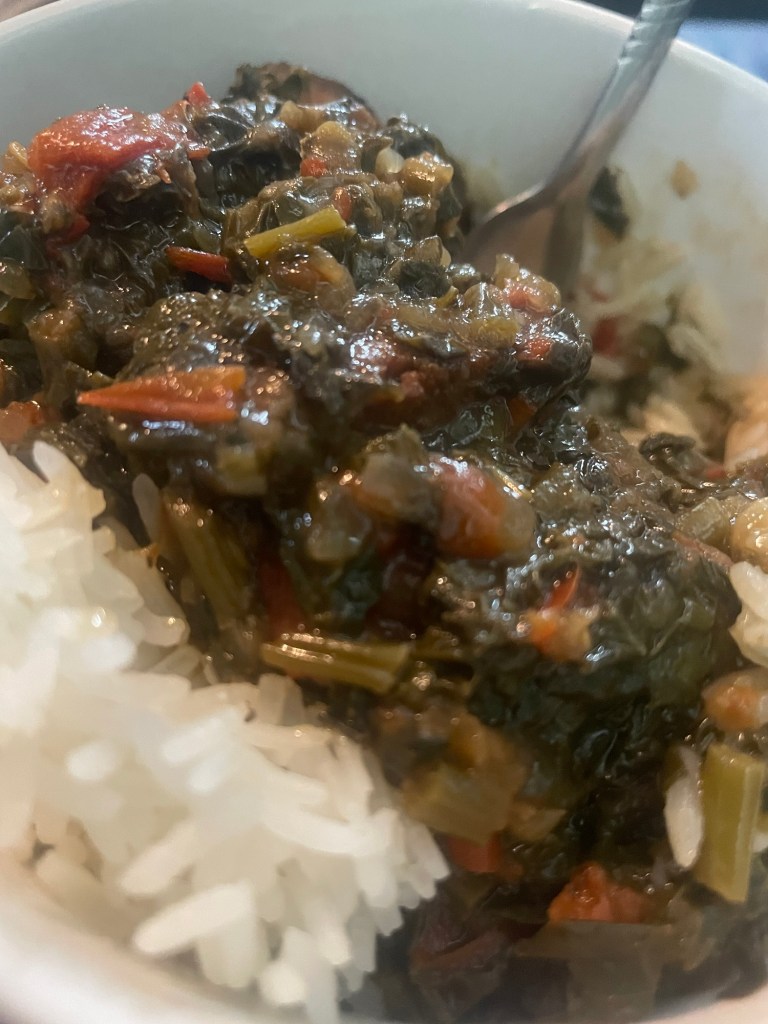
A Plant-Based Sweet Potato Leaf Stew Inspired by Sierra Leone
One of my favorite things about gardening is watching memories grow alongside the vegetables.
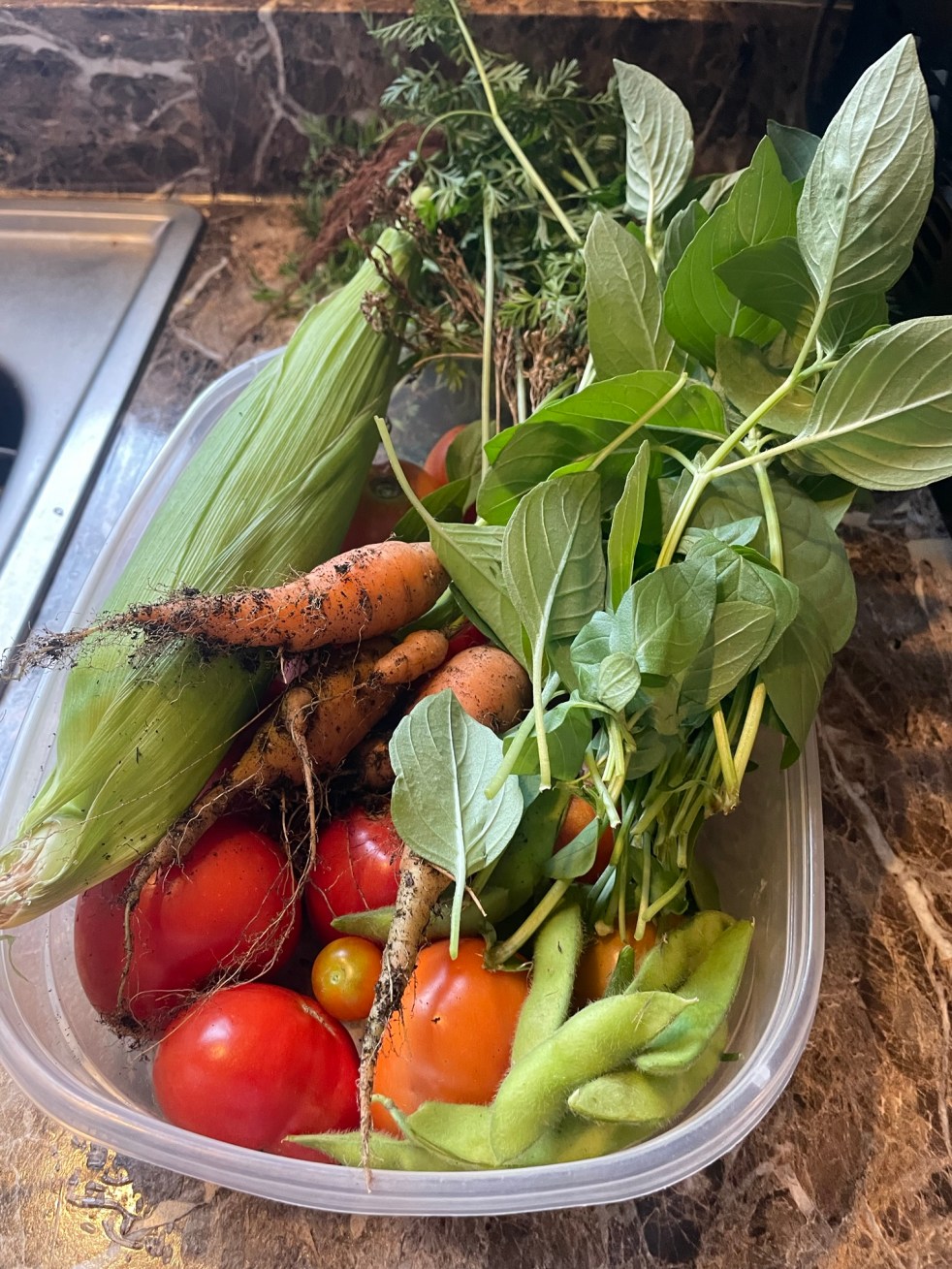
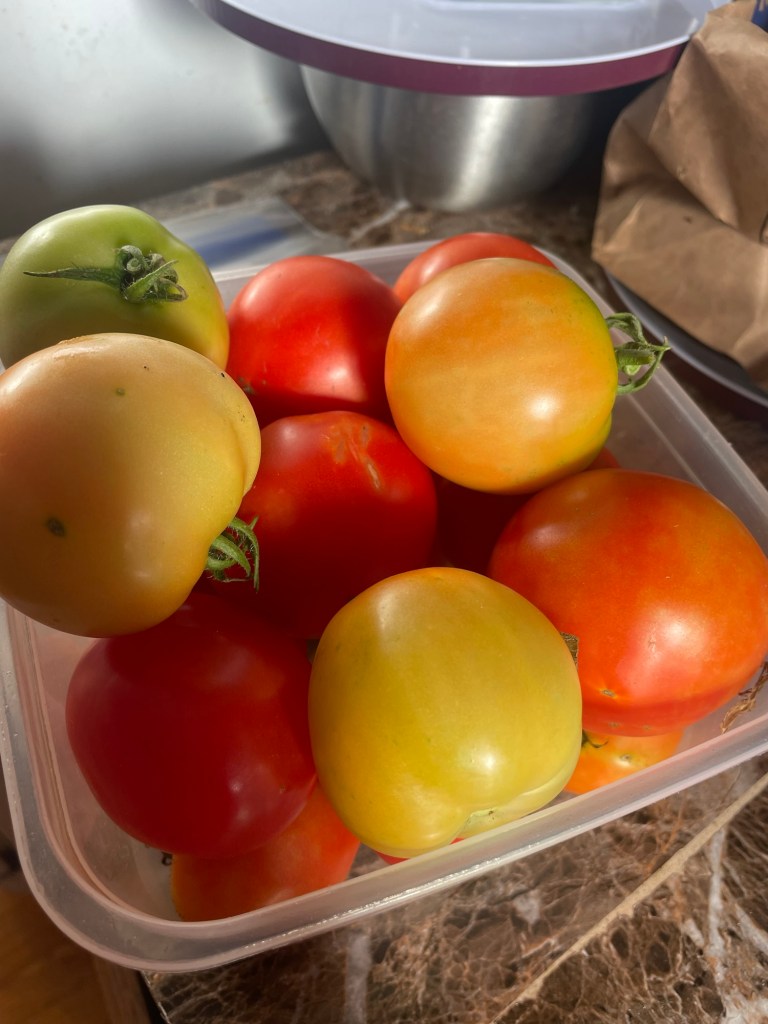
This week, I harvested tomatoes and sweet potato leaves from my garden, and as I carried them into the kitchen, I couldn’t help but think of my grandmother.
Sweet potato leaf stew was one of those meals that brought our family together. Growing up, it was often prepared with meat or fish, just as it is in many Sierra Leonean households. The aroma alone could fill the house and let everyone know dinner was almost ready.
Today, I still make that same stew—but with a few twists of my own.
Over the years, my diet has become mostly plant-based, so instead of meat, I use extra-firm tofu. It adds a satisfying texture while allowing me to honor the flavors I grew up with in a way that fits my lifestyle today.
Every time I make this dish, it feels like I’m bringing a little piece of my grandmother’s kitchen into my own.
Garden-to-Table Sweet Potato Leaf Stew
Ingredients
For the stew
About 6 cups chopped sweet potato leaves
1 block extra-firm tofu, thawed, pressed, seasoned, and fried
5 medium garden tomatoes
2 yellow onions
2 medium bell peppers
Oil for frying
Seasonings
Hot pepper flakes (to taste)
1 tablespoon grated fresh ginger
3–4 cloves garlic, minced or grated
Seasoned salt (to taste)
1 teaspoon turmeric
2 tablespoons nutritional yeast
To Serve
Cooked jasmine rice
Directions
Preheat your oven to 350°F.
Score the tomatoes with a shallow “X” on the bottom of each one and bake for about 10 minutes, until the skins begin to loosen. Remove them from the oven, peel away the skins, and blend or mash the tomatoes into a smooth sauce.
While the tomatoes are roasting, season the tofu to your liking and fry until golden on all sides. Set aside.
Blend the onions and bell peppers together in a food processor until smooth.
Pour the vegetable mixture into the hot oil and cook for about 10 minutes, stirring occasionally.
Add the hot pepper flakes, grated ginger, garlic, seasoned salt, turmeric, and nutritional yeast. Continue cooking for another 5 minutes, allowing the spices to bloom and become fragrant.
Stir in the fresh tomato sauce.
Add the chopped sweet potato leaves, reduce the heat, and cook for about 10 minutes, stirring occasionally.
Taste the stew and adjust the seasonings as needed.
Gently fold in the fried tofu and simmer for another 10–15 minutes, allowing all of the flavors to come together.
Serve over warm jasmine rice.
A Meal That Gets Better With Time
Like many stews, this one tasted even better the next day.
The flavors had more time to develop, making every bite richer than the last.
It’s one of those meals that’s perfect for meal prep because tomorrow’s lunch might be even better than tonight’s dinner.
More Than a Recipe
As I stood in my kitchen cooking this meal, I realized that gardening has become about so much more than growing food.
It’s about preserving traditions.
It’s about remembering the people who taught us to cook long before recipes were written down.
It’s about taking something familiar and making it your own without losing the heart of where it came from.
My grandmother may not have made sweet potato leaf stew with tofu, but I like to think she’d appreciate that the spirit of her cooking still lives on.
Every harvest reminds me that traditions don’t have to stay frozen in time.
They can continue to grow—just like the gardens we tend.
Some are about checking another finish line off a training plan.
This race has never been either of those for me.
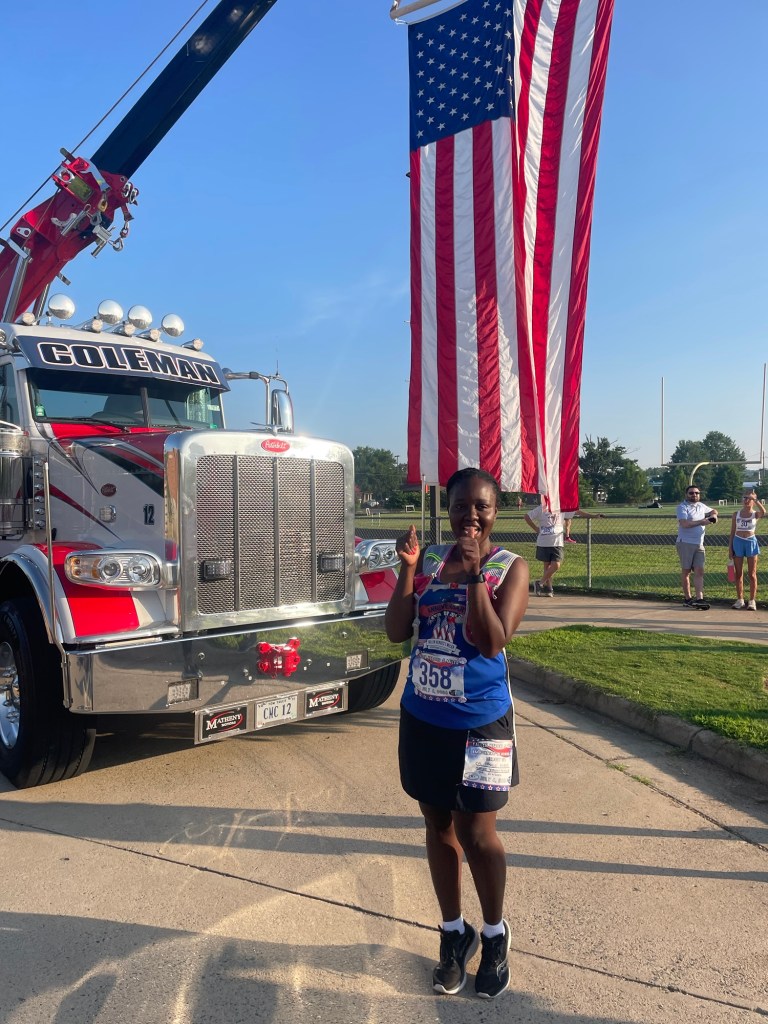
Every Fourth of July, I lace up my shoes knowing that someone else’s story will be running beside me.
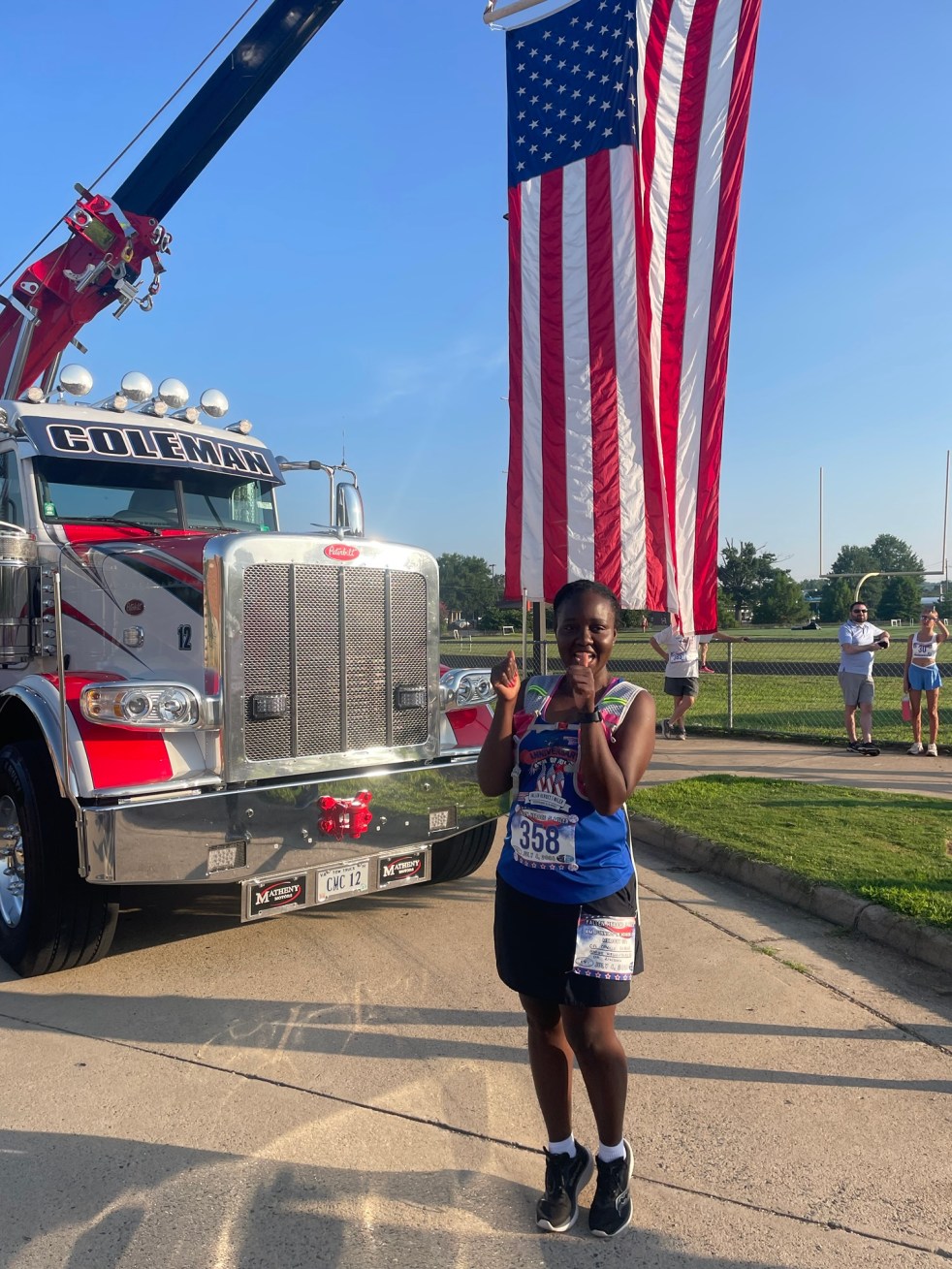
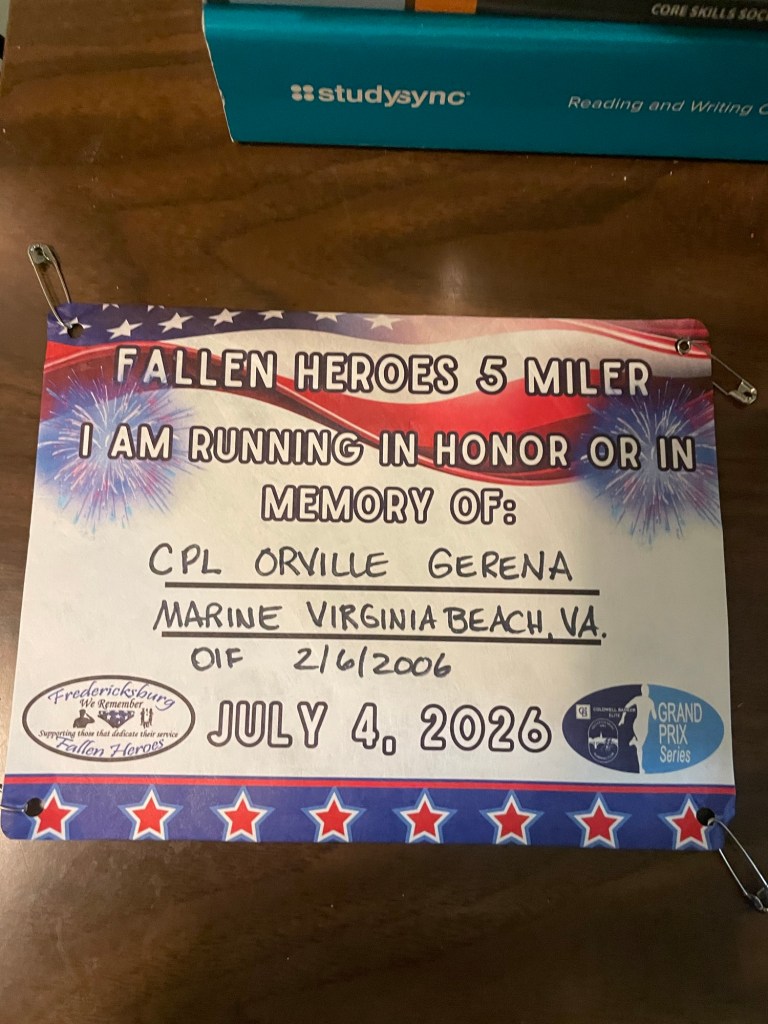
This year, I ran in memory of Corporal Orville Gerena, a Marine from Virginia Beach who made the ultimate sacrifice on February 6, 2006, during Operation Iraqi Freedom.
When I pinned his name to my race bib, he stopped being just another name in a history book.
For five miles, he became the reason I kept moving.
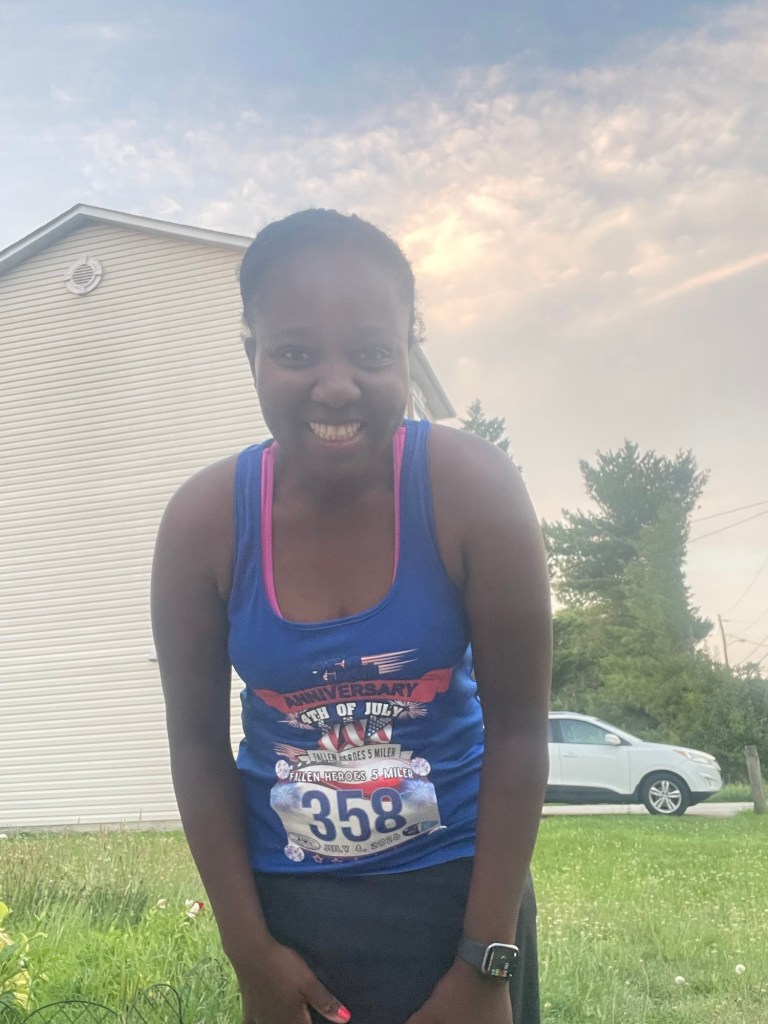
This year’s race was brutally hot.
There were moments when every runner around me was feeling the weight of the Virginia summer. Sweat soaked our shirts before the first mile was over, and the sun showed no mercy.
But somehow, complaining about the heat felt small.
The men and women we were honoring endured hardships most of us will never fully understand.
Running five miles in uncomfortable weather suddenly didn’t seem like much at all.
More Than a Race
One of my favorite moments each year is walking beneath the enormous American flag suspended between two fire trucks.
It is impossible to stand underneath it without feeling something.
Not politics.
Not division.
Just gratitude.
Gratitude for people willing to serve something larger than themselves.
As I crossed beneath that flag, I couldn’t help but think about all of the families whose Fourth of July celebrations forever changed because someone they loved never came home.
Freedom has always had a cost.
This race reminds me not to forget who paid it.
The Finish Line
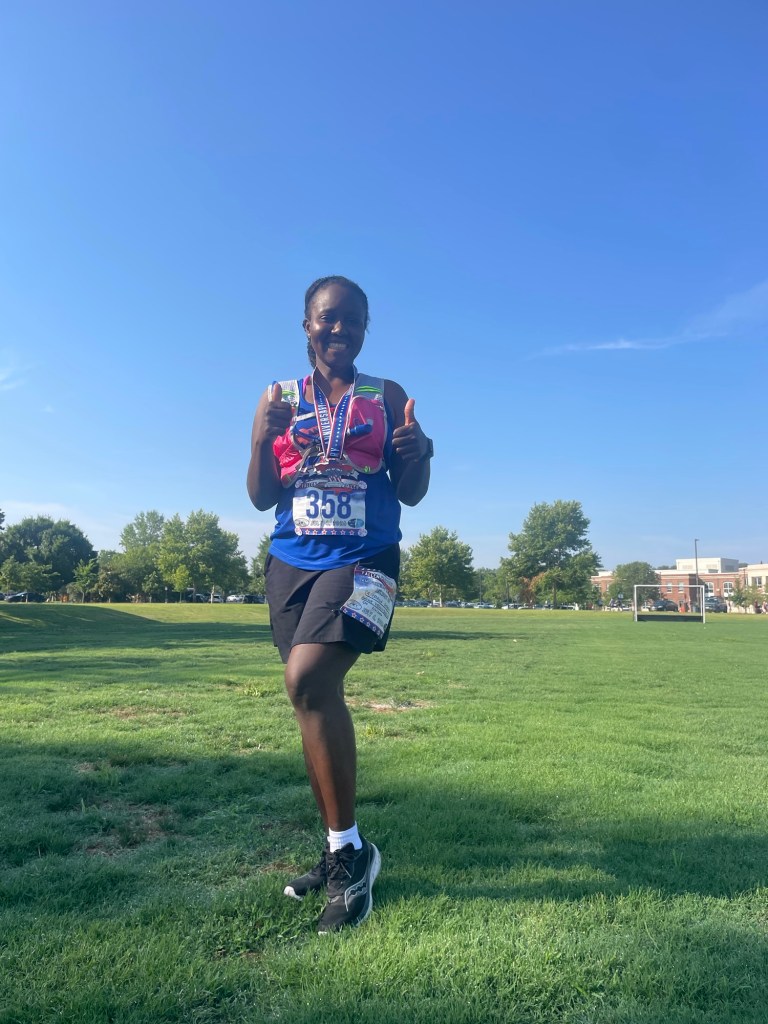
Crossing the finish line felt different this year.
I wasn’t celebrating a fast time.
I wasn’t celebrating a personal best.
I was simply thankful.
Thankful that I had the health to run.
Thankful that communities continue to gather to remember those who served.
Thankful that one more name—Corporal Orville Gerena—was spoken, remembered, and honored.
Because remembrance matters.
People are only truly forgotten when no one remembers their stories.
Why I’ll Keep Coming Back
There are many races on my calendar each year.
Some challenge my endurance.
Some help me train for bigger goals.
But this one reminds me why I started running in the first place.
Running isn’t always about competing.
Sometimes it’s about carrying someone else’s memory forward, one mile at a time.
As I continue working toward my goal of running 65 half marathons by the age of 65, I hope I never lose sight of races like this—races that remind me that every step can have a purpose beyond myself.
Thank you, Corporal Gerena.
And thank you to every service member who made the ultimate sacrifice.
For a long time, I thought healing meant getting back to who I was before the trauma.
I thought the goal was to recover the version of myself that existed before the disappointments, betrayals, losses, and difficult experiences that shaped my life.
But lately, I’ve been wondering if healing is something entirely different.
What if healing isn’t about returning to who we were?
What if healing is about discovering who we have been all along?
A few days ago, I had a realization while talking with my children. They helped me see something I had never fully understood.
I have spent years believing there was something wrong with me.
Years believing I wasn’t enough.
Years focusing on my flaws, mistakes, and shortcomings.
Yet the people who know me best saw something very different.
They saw beauty where I saw imperfections.
They saw strength where I saw weakness.
They saw resilience where I saw brokenness.
And it made me wonder how many of us are carrying stories about ourselves that are no longer true.
Trauma has a way of changing the lens through which we view our lives.
It can convince us that we are less capable than we really are.
Less lovable than we really are.
Less worthy than we really are.
The trauma happened.
The pain was real.
But the story we tell ourselves because of the trauma isn’t always accurate.
Healing has taught me that growth doesn’t always look dramatic.
Sometimes it looks like taking a walk when you’d rather stay in bed.
Sometimes it looks like going for a run even when your pace is slower than you’d like.
Sometimes it looks like planting a garden and trusting that something beautiful can grow from the soil.
Sometimes it looks like setting a boundary.
Sometimes it looks like asking for help.
And sometimes it looks like finally seeing yourself through kinder eyes.
The truth is that I am still healing.
I suspect I always will be.
But I no longer see healing as a process of fixing a broken person.
I see it as a process of uncovering the person who has been there all along beneath the fear, the pain, and the self-doubt.
That person is stronger than she realized.
More capable than she believed.
And perhaps even more beautiful than she allowed herself to see.
Maybe that’s what healing really is.
Not becoming someone new.
But finally meeting yourself.
As we recognize PTSD Awareness Month, I hope we can expand the conversation beyond symptoms and diagnoses. Trauma affects real people—people who are raising families, going to work, building gardens, pursuing dreams, and quietly carrying burdens that others may never see.
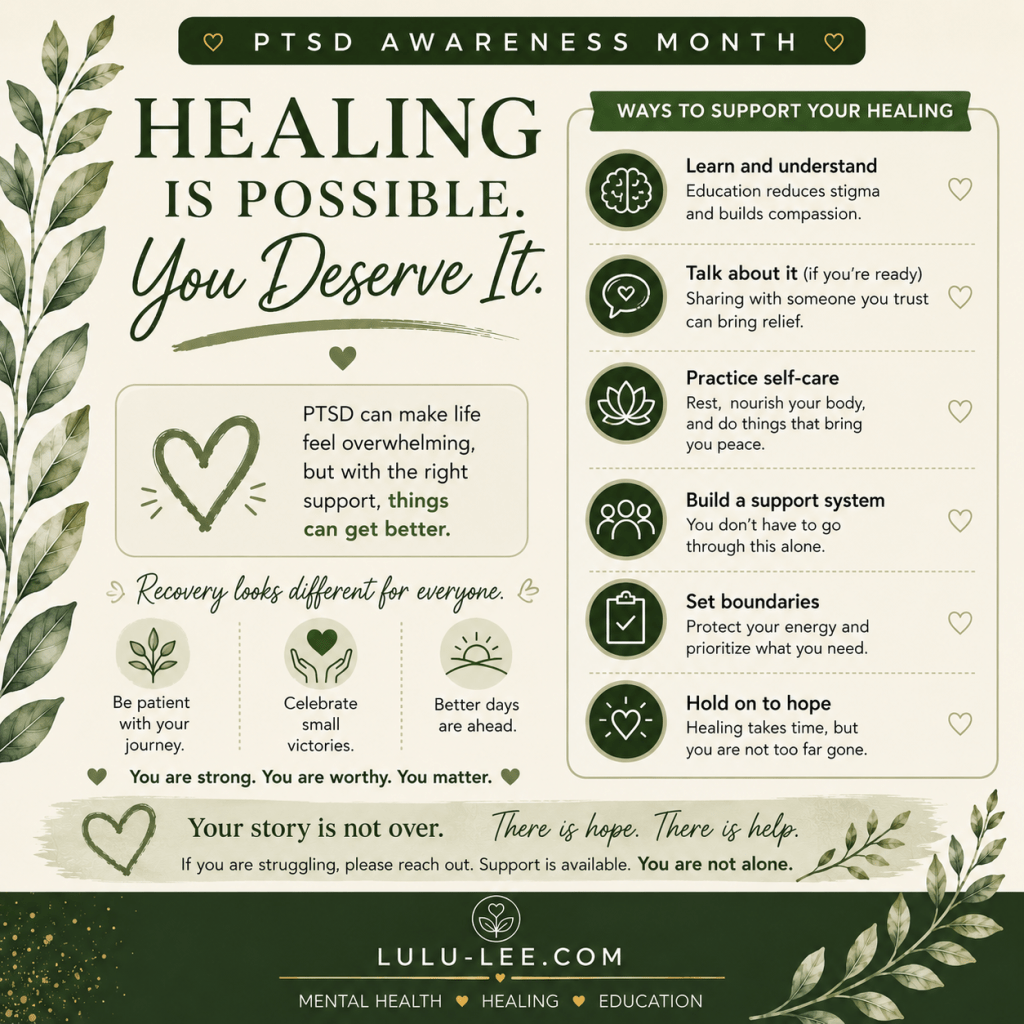
Healing is possible. Recovery is possible. And sometimes the most important discovery is realizing that you were never as broken as trauma led you to believe.
Reflection Question
Have you ever discovered that something you believed about yourself wasn’t actually true?
I’d love to hear your thoughts in the comments.
Trauma has a way of changing the lens through which we view our lives.
PTSD is often misunderstood as something that only affects combat veterans, but trauma can result from many different experiences, including childhood adversity, domestic violence, neglect, medical trauma, accidents, or the loss of a loved one.
One of the most common trauma responses is hypervigilance—the feeling that you must constantly scan for danger even when you are safe. Another is the tendency to see yourself through the lens of survival rather than through the lens of your strengths.
Trauma changes the brain and the body. It can affect sleep, relationships, self-esteem, and even physical health. These responses are not signs of weakness. They are signs that your nervous system learned to protect you.
The good news is that healing is possible.
Healing may involve therapy, supportive relationships, movement, mindfulness practices, healthy boundaries, and learning to extend compassion toward yourself.
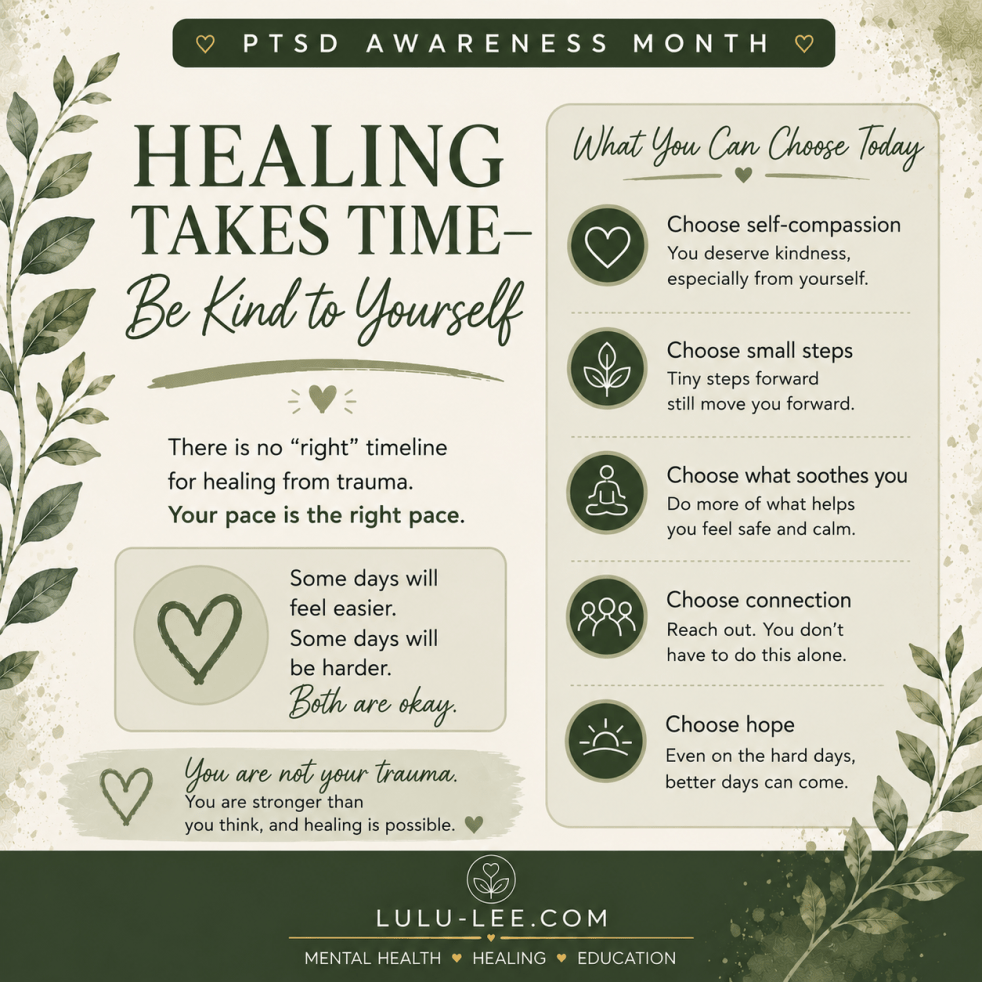
There is no “right” timeline for healing. Your pace is the right pace.
This week in the garden has been a mix of encouragement and frustration. Some of my plants are thriving while others are clearly struggling, and honestly, I think the strange weather has a lot to do with it.
My spinach and okra have not been doing well at all. The spinach started bolting and looking stressed almost overnight, and the okra just seems unhappy no matter what I try. Between the random temperature swings, heavy rain, cooler nights, and sudden heat, I think the plants are having a hard time adjusting. Gardening really teaches patience because sometimes you can do everything “right” and nature still has other plans.
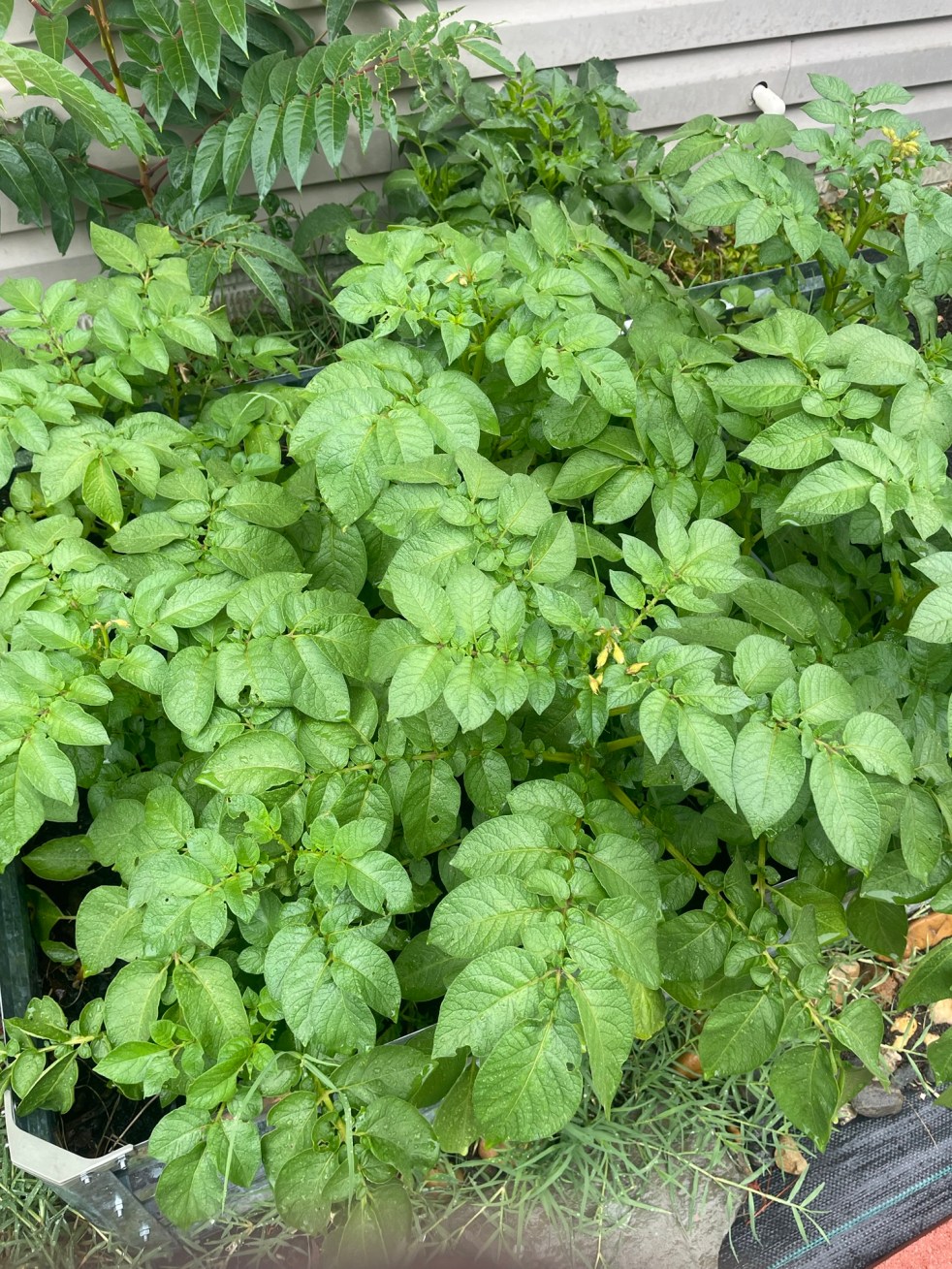
Thankfully, not everything is struggling. The potatoes are making steady progress and the corn is finally starting to look strong and established. My tomatoes are filling out nicely, the peppers are slowly taking off, and the peanuts are doing much better than I expected. Seeing those little wins helps balance out the disappointment of losing or struggling with other crops.
One thing I’m learning this season is that every garden tells a story. Some plants thrive in certain conditions while others refuse to cooperate. Instead of looking at setbacks as failures, I’m trying to see them as lessons for the next season. I may end up restarting the okra in a different area with more heat, and I’ll probably wait until cooler temperatures return before trying another round of spinach.
Even with the challenges, I still enjoy walking through the garden every morning. There’s something peaceful about watching things grow slowly over time. Progress may not always look perfect, but progress is still progress.
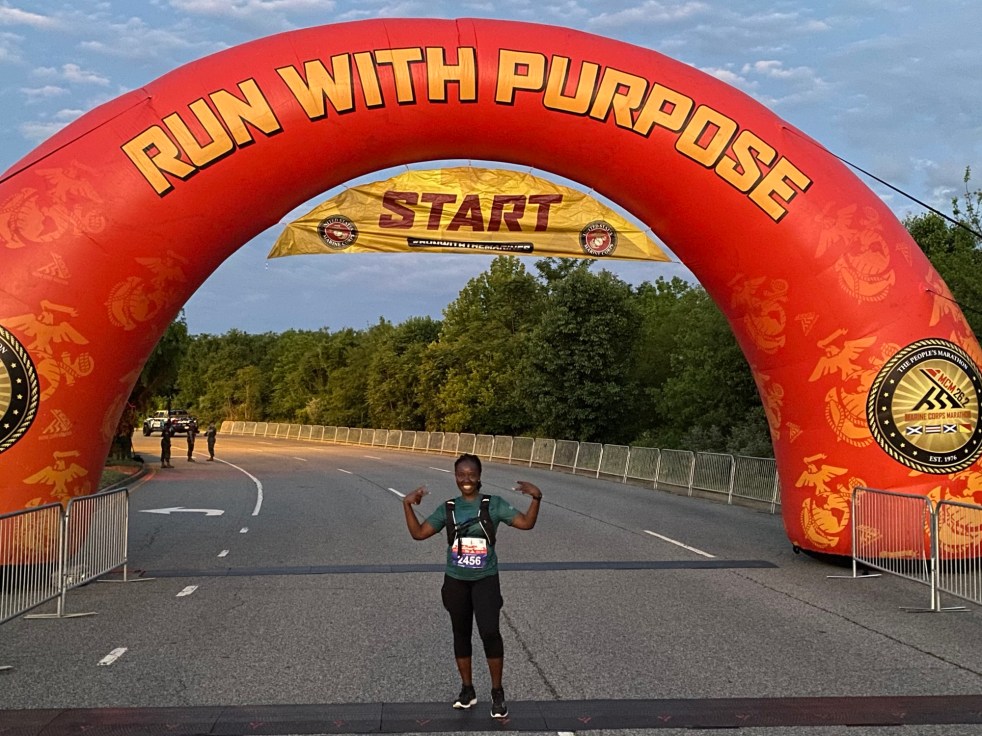
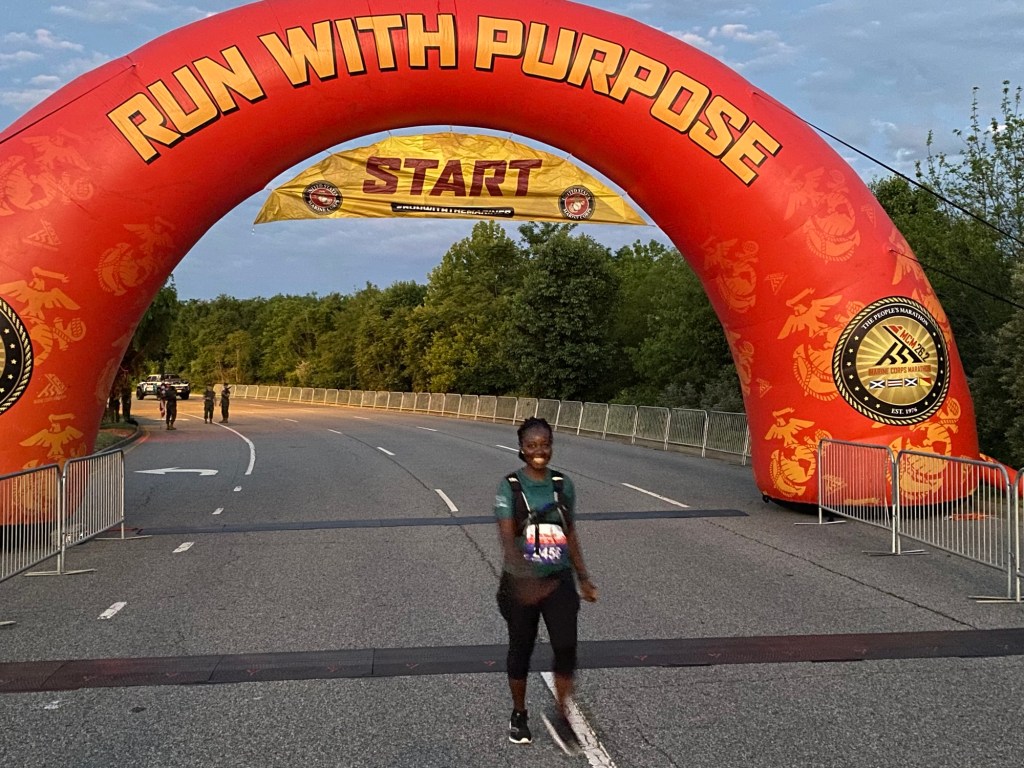
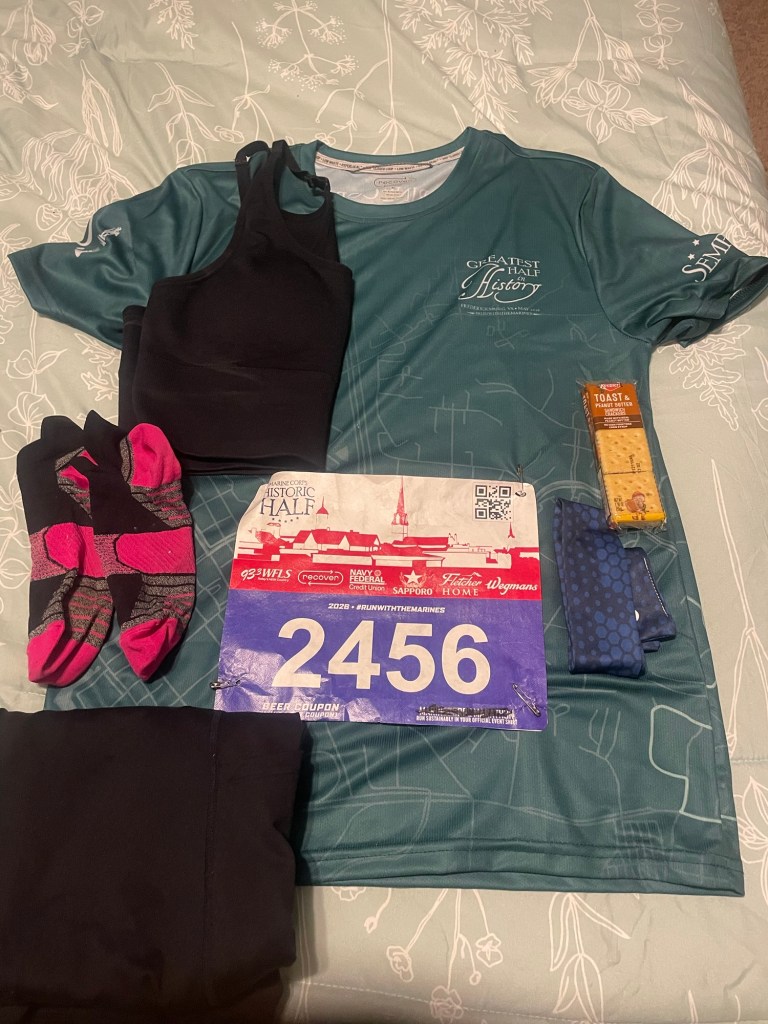
There’s something humbling about lining up at the starting line of the Marine Corps Historic Half knowing that the weather may test you just as much as the distance itself.
This year’s race was warmer than expected, and I knew early on that trying to force the pace I originally planned for would have probably ended badly. Instead of fighting my body, I listened to it. I adjusted my pace, focused on consistency, and reminded myself that endurance is just as much mental as it is physical.
And honestly? That decision paid off.
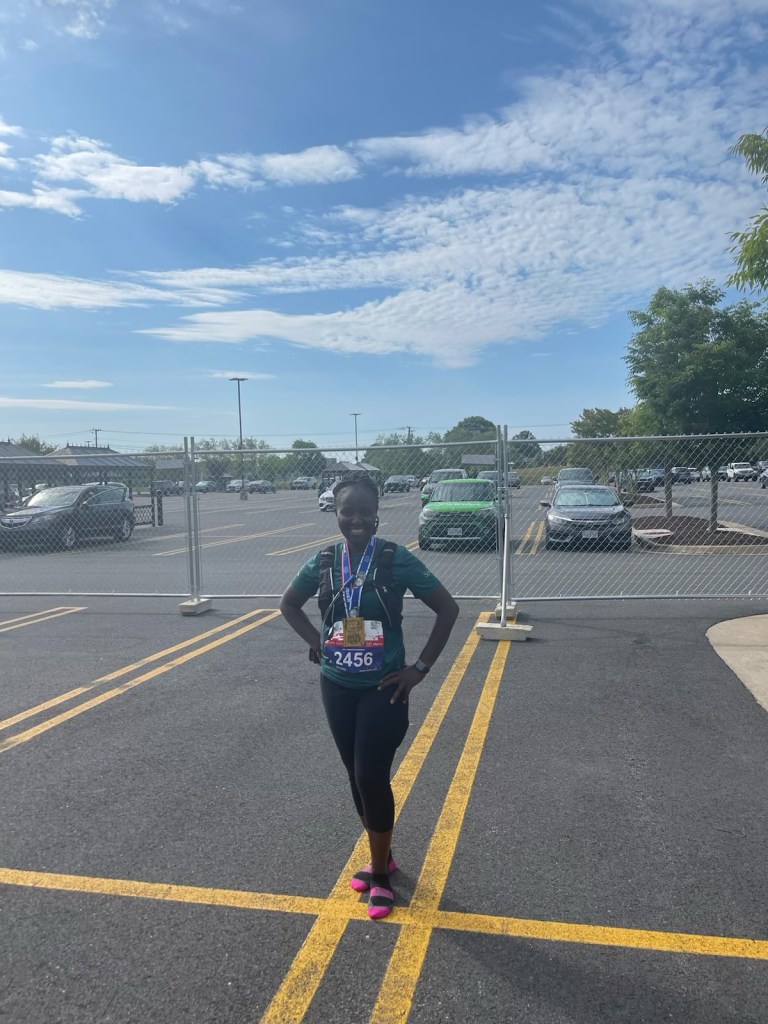
I finished the race more than 10 minutes faster than I did last year.
That improvement means a lot to me because it wasn’t about suddenly becoming an elite runner overnight. It came from months of small decisions:
showing up even when I was tired,
training after long shifts,
learning how to recover properly,
and being willing to adapt instead of quitting.
Two things that genuinely helped me this training season were Strava and Runna. Strava helped me stay accountable and track my progress over time, while Runna gave me more structure and helped me train with intention instead of just running aimlessly.
One of the biggest lessons I’m learning as a runner is that every race day requires flexibility. You can train for months, but weather, stress, sleep, nutrition, and life itself will still influence performance. The goal is not perfection. The goal is learning how to adapt without giving up.
Some miles felt strong. Some miles felt long. Some hills still humbled me.
But I kept going.
Crossing that finish line reminded me how important it is to celebrate progress, even when the journey doesn’t look flawless. Last year’s version of me would be proud of how far I’ve come physically and mentally.
Running has become more than exercise for me. It has become proof that growth happens slowly, quietly, and often long before anyone else can see it.
And this race reminded me that I’m stronger than I think.
What Helped Me Most This Training Cycle
Structured training plans
Slowing down on recovery days
Adjusting for weather conditions
Staying consistent instead of chasing perfection
Listening to my body instead of my ego
Fueling and hydrating better before long runs
Remembering that progress is still progress, even if the run doesn’t feel “perfect”
Final Thoughts
If you’re training for a race right now, especially as a beginner or someone returning to running, give yourself grace.
Every mile counts. Every slow run counts. Every decision to keep showing up counts.
You do not have to run perfectly to grow.
And sometimes the biggest victory is simply becoming stronger than you were the year before.
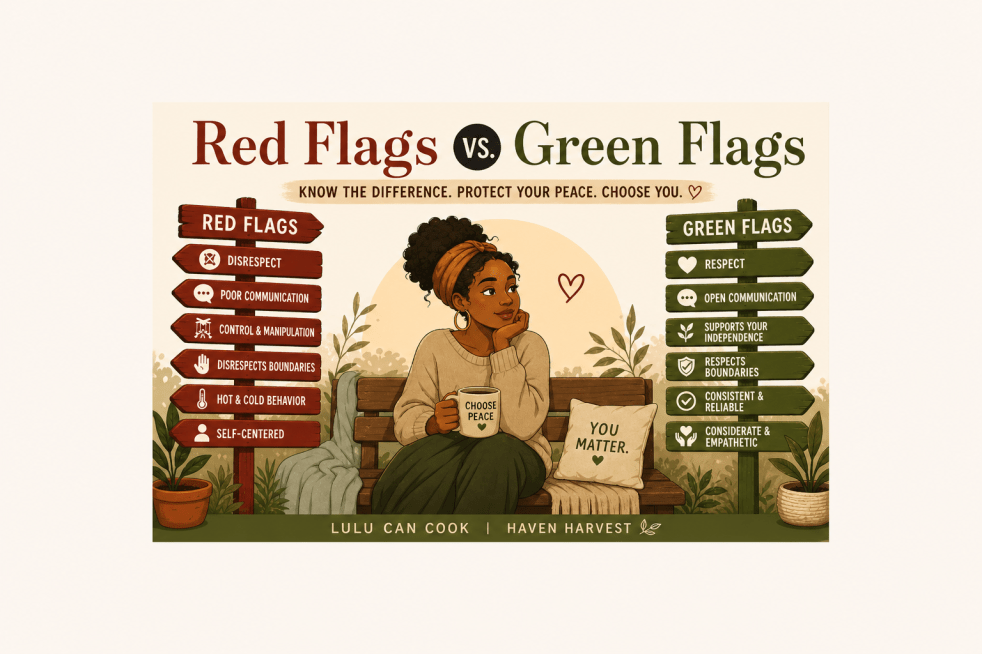
This post is not like my typical posts and I appreciate you taking the time to read and maybe share it. In the wake of so many recent domestic violence cases coming up in the news I felt inclined to share some of the early warning signs that both men and women miss in relationships. We live in a fast paced society and sometimes that paired with traumatic/toxic childhoods, it can be hard to see what is healthy and is not healthy in romantic relationships.
Sometimes, the difference between healthy and unhealthy love isn’t obvious. Not because the signs aren’t there—but because of what many people were taught to accept early in life. The way someone experiences love growing up can shape what feels normal later on. If love felt inconsistent, conditional, or emotionally unsafe, those patterns can quietly become familiar. And familiarity can feel a lot like connection.
When Red Flags Feel Normal
For many people, certain behaviors don’t immediately stand out as unhealthy—especially if they’ve seen or experienced them before. Let’s take a closer look.
1. Lack of Respect:
Being dismissed, talked down to, or made to feel “too sensitive” can become easy to overlook when respect wasn’t consistently modeled.
Green flag: Feeling heard, valued, and taken seriously.
2. Poor Communication:
Silence, avoidance, or conversations that turn into blame can feel familiar—but they often leave people feeling unheard.
Green flag: Open, honest conversations where both people feel safe expressing themselves.
3. Control Disguised as Care:
Guilt, pressure, or subtle manipulation can sometimes be mistaken for love or concern.
Green flag: Support that allows space, independence, and personal growth.
4. Disrespecting Boundaries:
Feeling guilty for saying no—or being pushed past personal limits—is a sign that boundaries aren’t being honored.
Green flag: Boundaries are respected without pressure, guilt, or punishment.
5. Hot and Cold Behavior:
Inconsistency can feel intense, but it often creates confusion and anxiety over time.
Green flag: Consistency, reliability, and emotional steadiness.
6. Self-Centered Dynamics:
When everything revolves around one person’s needs, the relationship can start to feel one-sided.
Green flag: Mutual care, empathy, and shared emotional space.
What Makes This So Hard
For people who learned to adapt, people-please, or keep the peace, these patterns don’t always stand out right away. They can feel familiar. Predictable. Even comfortable in a way that’s hard to explain. But familiar doesn’t always mean healthy.
Choosing Something Different
Learning to recognize these patterns is not about blaming the past—it’s about creating awareness in the present. Healthy relationships may feel different at first. Quieter. Steadier. Less overwhelming. But that difference often means something important is finally present. The bottom line is that a healthy relationship should feel like a place to land. Not a place to constantly question, prove and or recover from.
A Gentle Check-In
If this resonated, take a moment to reflect:
Which patterns have felt familiar in past relationships?
Which green flags feel unfamiliar—but important?
What would it look like to choose peace, even if it feels new?
You don’t have to figure everything out today.
But awareness is a powerful place to start.
Let’s Talk
If you feel comfortable, share your thoughts in the comments:
Which red flag do you think people overlook the most?
Or which green flag changed your perspective on love?
Your voice might help someone else see things more clearly.
There’s a thought that’s been sitting with me lately:
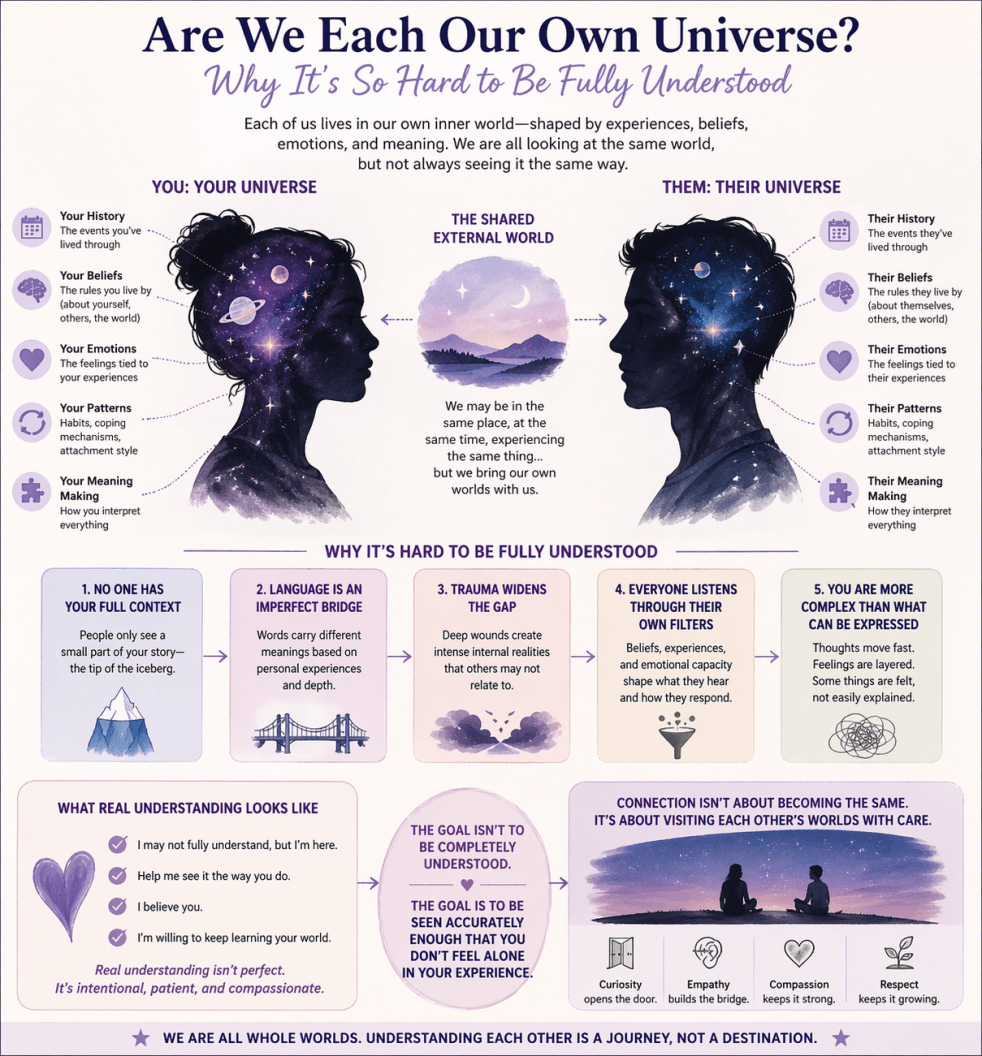
What if each human being is their own universe?
Not in a literal sense—but in the way we experience the world.
Each of us carries our own history, our own rules, our own way of making meaning out of what happens to us. No two people walk through life with the exact same lens. Even when we share space, share love, share experiences—we are still interpreting it all differently.
And maybe…that’s why it can feel so hard to be fully understood.
We Are All Living in Different “Worlds”
Think about it for a moment.
Everything you believe about yourself—your worth, your safety, your place in the world—was shaped over time. Through childhood. Through relationships. Through moments that stayed with you longer than you expected.
Those experiences didn’t just happen and disappear.
They became the rules of your inner world.
For some, the world feels safe and predictable.
For others, especially those carrying deep emotional wounds or experiences like Complex Post-Traumatic Stress Disorder, the internal world may operate very differently—where trust feels risky, love feels uncertain, and safety doesn’t come easily.
Same world. Different realities.
Why Words Don’t Always Land the Way We Mean Them
We rely on language to connect, but language has limits.
You might say, “I feel hurt,” and mean something layered, deep, and rooted in years of experience.
Someone else might hear that and think of a passing moment—something small, something temporary.
The words are the same, but the meaning isn’t.
Because when we speak, we’re expressing something from our universe—and when someone listens, they’re interpreting it through theirs.
The Gap Between Being Heard and Being Understood
There’s a difference between someone hearing you and someone truly understanding you.
You can explain yourself clearly. You can be open, vulnerable, and honest.
And still feel…missed.
Not because the other person doesn’t care—but because they don’t have the same internal reference points. They haven’t lived your exact experiences. They don’t carry your exact meanings.
And there are parts of you that simply cannot be translated perfectly into words.
So What Does Real Understanding Look Like?
Maybe it’s not about someone saying, “I know exactly how you feel.”
Maybe it’s quieter than that.
Maybe it sounds like: “I may not fully understand, but I’m here.” “Help me see it the way you do.” “I believe you.”
Real understanding isn’t perfect. It’s intentional.
It’s someone choosing to step closer to your world, even if they can’t fully live in it.
A Shift in Expectation
What if the goal isn’t to be completely understood?
What if the goal is to be seen—honestly, gently, and without dismissal?
To be understood enough that you don’t feel alone in your experience.
And to offer that same grace to others—recognizing that they, too, are navigating a world shaped by things we may never fully see.
Final Thought
If we are each our own universe, then connection isn’t about becoming the same.
It’s about learning how to visit each other’s worlds with care.
This month, I’ve been deep into Year of Yes by Shonda Rhimes — and let me tell you, this book could not have arrived at a better time. It’s honest, funny, bold, and full of the kind of energy that nudges you out of your comfort zone in the best way possible.
I’m almost done with it as this post goes live, and I already know it’s one of those books I’ll revisit whenever I need a reminder to choose myself, to stretch, to be brave, and to embrace opportunities even when they feel intimidating. Shonda writes with a voice that feels familiar — like a friend sitting across from you telling the truth you’ve been avoiding. And this month, I needed that voice.
Interested in Reading Along?
If you’re interested in reading along with me, here are the versions I recommend:
Hardcover / Paperback – Year of Yes by Shonda Rhimes 👉 Buy on Amazon
Companion Journal – The Year of Yes Journal (for reflection & personal growth) 👉 Buy the Journal on Amazon
What “Yes” Has Meant for Me This Month
Reading Year of Yes during the holiday season has felt surprisingly grounding. It’s pushed me to think about what I want next, what I’m afraid of, and where I’ve been shrinking myself out of habit rather than choice.
And it’s reminded me how important it is to say “yes” to the things that bring me joy — including my writing.
Which brings me to the second half of this month’s update…
Tidewalker Series Update: Book Two Is Taking Shape
Book Two has been a steady work in progress these last few weeks, and Year of Yes has absolutely inspired the way I’m approaching the deeper emotional layers of this story.
Here’s what I’ve been working on:
🔹 Tweaking Ezra’s Internal Conflicts
Ezra is growing, stepping into responsibility, and feeling torn between his father’s expectations, his own dreams, and the love he shares with Neri. I’ve been sharpening the moments where he questions himself, struggles to find balance, or wants to belong in both worlds. His emotional journey is becoming richer and more nuanced.
🔹 Deepening Grandmother Fatu’s Backstory
Her presence is becoming more powerful. I’ve been exploring:
how she shaped Ezra’s childhood,
her connection to the tidewalker world,
the truth behind the shell she gave him,
and how her story ties both worlds together in ways Ezra is only beginning to understand.
🔹 Building Tension Between the Two Worlds
This has been one of my favorite parts to develop. The differences and misunderstandings between Neri’s world and Ezra’s — the traditions, expectations, and pressures — are all becoming clearer and more dramatic. This tension will shape much of Book Two’s conflict.
What’s Coming in Early 2026
Writing this book feels like saying “yes” to myself — yes to imagination, yes to creativity, yes to finishing something that matters deeply to me.
In early 2026, I’ll be sharing:
sneak peeks of new characters,
more world-building details,
and updates as the story evolves and the two worlds collide.
If December has taught me anything, it’s that growth happens when we stop waiting for fear to settle — and move forward anyway.








 Haven Harvest Living