Uncategorized

Maybe Iโ€™m Not Blocked. Maybe Iโ€™m Writing Something Else.

For a while now, Iโ€™ve been telling myself that I have writerโ€™s block.

I have stories waiting for me. Characters whose lives I havenโ€™t finished exploring. Fictional worlds I once stepped into so easily that sometimes it felt less like I was creating them and more like I was simply writing down what I saw.

But lately, when I sit down to return to those worlds, very little happens.

The ideas are still there. The desire to finish them is still there. But the words donโ€™t come the way they used to.

And for someone who considers herself a writer, that can be incredibly frustrating.

There is a particular kind of pressure that comes with knowing you should be writing. You open the document. You reread the last few pages. You stare at the blinking cursor and wait for somethingโ€”anythingโ€”to happen.

Sometimes it does.

Sometimes it doesnโ€™t.

For months, Iโ€™ve been calling that writerโ€™s block.

But recently, I started wondering if that description is entirely accurate.

Because the truth is, I have been writing.

Just not fiction.

The Words Went Somewhere Else

Lately, most of my writing has become much more personal.

Iโ€™ve been reflecting. Remembering. Examining experiences from different points in my life and trying to understand them from the perspective of the woman I am today.

Iโ€™m working on a personal writing project that Iโ€™m not quite ready to share much about yet. Some things need room to exist privately before they are introduced to the world.

But the process has made me realize something.

My words didnโ€™t disappear.

They went somewhere else.

The creative part of me that normally wants to build characters, histories, families and entire worlds seems to be asking for something different right now. Instead of imagining someone elseโ€™s life, Iโ€™ve been looking more closely at my own.

And that requires a completely different kind of writing.

Fiction allows me to ask, What if?

Personal writing asks me, What happened? What did it mean? And what do I understand now that I couldnโ€™t understand then?

Those questions have been taking up a lot of space lately.

Maybe there simply isnโ€™t much room left for imaginary worlds right now.

Iโ€™m Learning Not to Force It

My first instinct was to fight the block.

I thought I needed more discipline. Maybe I needed a writing schedule. Maybe I needed to outline more. Maybe I needed to sit in front of the computer until the characters finally started talking to me again.

But creativity doesnโ€™t always respond well to force.

Sometimes the harder I try to make myself write something, the further away the words seem to move.

So Iโ€™ve been trying something different.

Iโ€™ve been writing what wants to be written.

Right now, that happens to be personal.

That doesnโ€™t mean Iโ€™m abandoning fiction. I still love the stories Iโ€™ve created, and I still intend to return to them.

But maybe I donโ€™t need to drag myself back before Iโ€™m ready.

Maybe there are seasons in a writerโ€™s life just like there are seasons everywhere else.

There are seasons for creating.

Seasons for imagining.

Seasons for observing.

Seasons for remembering.

And perhaps there are seasons when we need to understand our own stories before we can return to telling someone elseโ€™s.

Maybe Writerโ€™s Block Isnโ€™t Always a Block

Iโ€™ve started thinking differently about the phrase writerโ€™s block.

We usually talk about it as though something has gone wrongโ€”as though the creative machinery has stopped working and needs to be repaired.

But what if sometimes the problem isnโ€™t that weโ€™ve stopped creating?

What if our creativity has simply changed direction?

I thought I wasnโ€™t writing because I wasnโ€™t producing fiction.

Meanwhile, Iโ€™ve filled pages with thoughts, memories, questions and reflections.

That counts.

Blog posts count.

Journal entries count.

Half-finished paragraphs count.

The notes typed into a phone at an inconvenient hour because a thought suddenly appeared count.

Writing something that no one else may ever read counts.

Not every word has to become a book.

Not every creative season has to produce something we can point to and say, Look what I made.

Sometimes writing is simply how we make sense of ourselves.

Iโ€™m Still a Writer

I donโ€™t know when my fictional characters will start talking to me again.

Maybe next week.

Maybe next month.

Maybe one morning Iโ€™ll wake up with a scene so clear in my mind that Iโ€™ll have to run to my computer before I lose it.

I hope so.

I miss them.

But Iโ€™m trying not to treat their silence as evidence that something is wrong with me as a writer.

For now, there are other words asking for my attention.

More personal ones.

And I think Iโ€™m finally willing to follow them wherever they need to go.

Maybe Iโ€™m experiencing writerโ€™s block.

Or maybe Iโ€™ve been looking at it all wrong.

Maybe Iโ€™m not blocked at all.

Maybe Iโ€™m just writing something else.
Gardening · Gardening

What My Garden Is Teaching Me About Patience

Every morning, before the day asks anything of me, I like to step outside with a cup of coffee and walk through my garden.

Some mornings there are exciting surprisesโ€”a new blossom, a tomato beginning to blush, or a pepper that seemed to appear overnight. Other mornings, everything looks exactly as it did the day before.
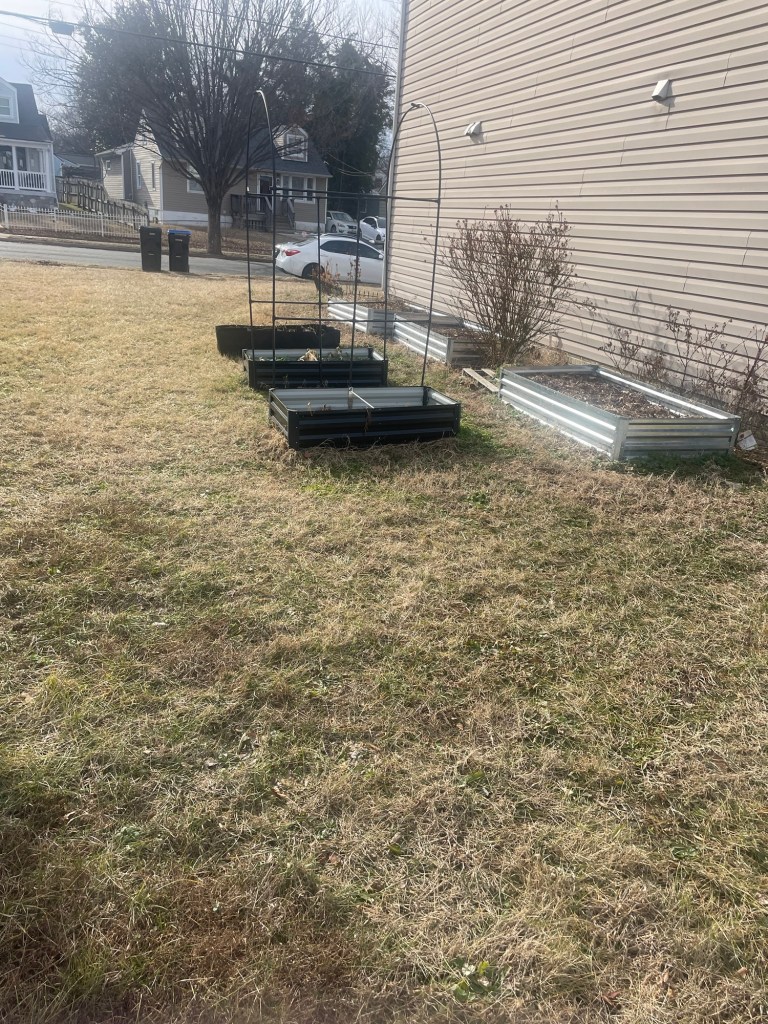
This week, my attention has been on my berry bushes. Instead of looking for fruit, Iโ€™ve been focusing on something much less exciting but far more important: the soil beneath them. I added compost, mulch, and nutrients to give them the best chance to thrive in the seasons ahead.
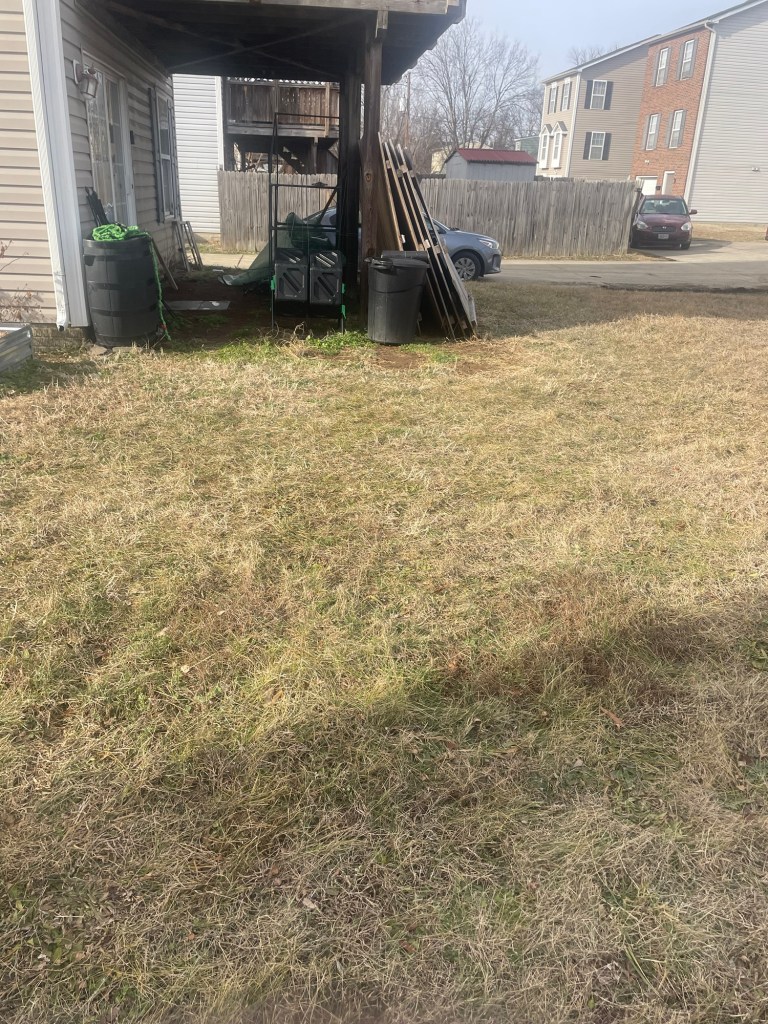
It reminded me that the healthiest gardens arenโ€™t built by chasing quick harvests. Theyโ€™re built by investing in strong roots.

Life works much the same way.

We often want immediate results. We want the promotion, the stronger body, the thriving friendships, the peaceful home, or the dream weโ€™ve been working toward. But so much of lifeโ€™s meaningful growth happens where no one can see it.

Roots are growing long before flowers bloom.

This season has reminded me that patience isnโ€™t passive. Itโ€™s choosing to water what matters, even when the evidence of progress is still hidden beneath the surface.

One day those berry bushes will reward the care theyโ€™re receiving today. Until then, Iโ€™ll keep tending the soil.

Maybe thatโ€™s a lesson we can all carry with us.

Not every season is meant for harvesting.

Some seasons are meant for growing roots.

What are you nurturing today that may not bear fruit until tomorrow?

Gardening · Gardening

A Change of Plans Turned Into a Productive Morning

Some mornings donโ€™t unfold the way we expect.

Earlier in the week, I woke up later than planned and missed a group run. For a moment, I was disappointed. I had been looking forward to spending the morning with fellow runners, but once I realized I had missed the opportunity, I decided to shift my focus instead of dwelling on what I couldnโ€™t change.

I picked up my gardening supplies rather than my running shoes and headed outside.

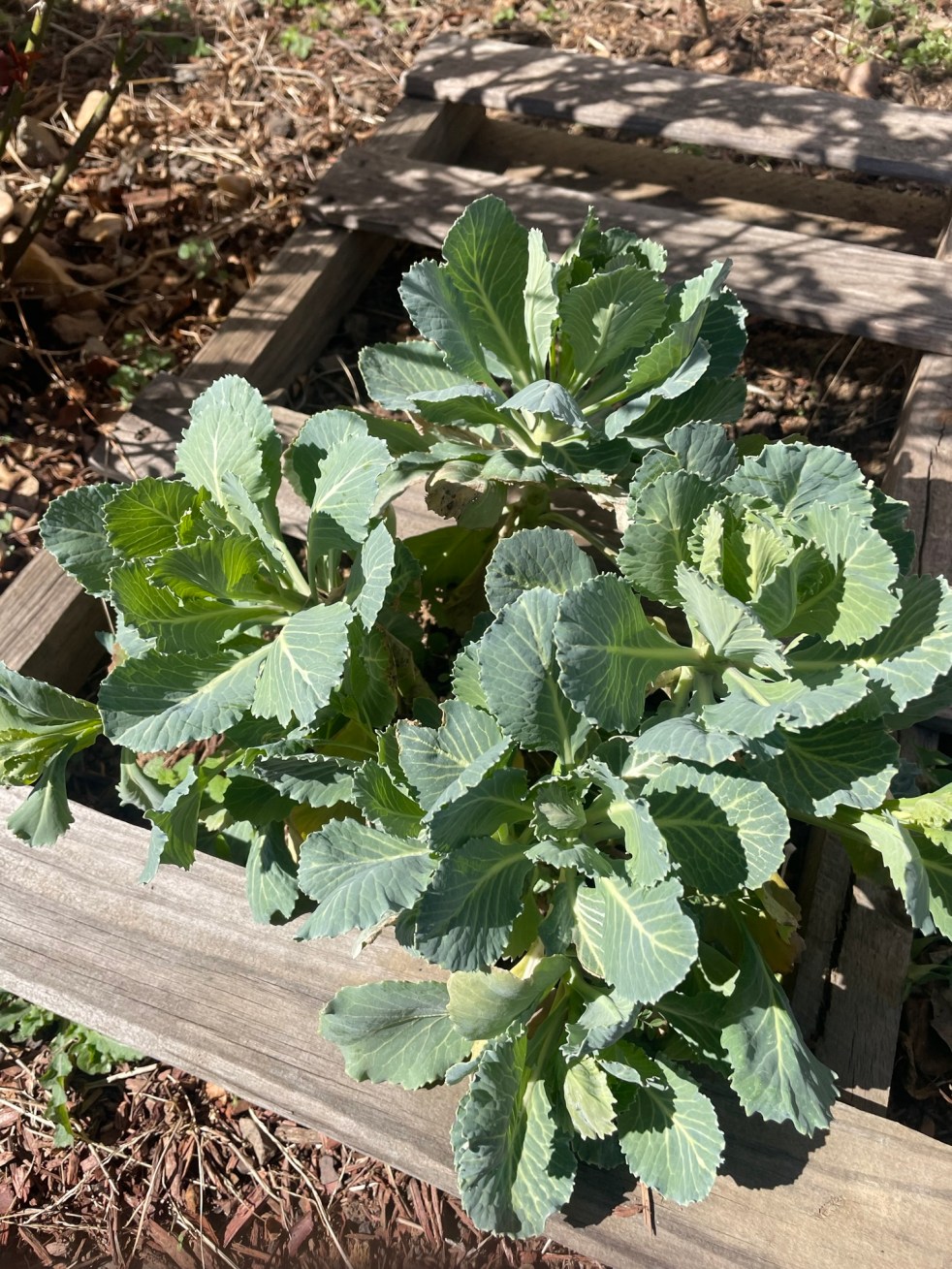
What started as an unexpected change of plans turned into one of my most productive mornings in the garden. I spent several hours pulling weeds, pruning my vegetable plants, and harvesting fresh produce. By the time I finished, I had cleared weeds from two and a half raised beds and prepared half of another bed for cabbage, which I plan to sow after todayโ€™s run with my running buddies.

Unfortunately, I didnโ€™t think to take any โ€œbeforeโ€ pictures. I was so eager to get started that I forgot to document where everything began. Instead, I have the โ€œafterโ€ photosโ€”a clean garden, healthy plants, and a reminder that progress is still worth celebrating, even if you donโ€™t capture every step of the journey.

Gardening has a way of teaching the same lessons over and over again. We canโ€™t control every circumstance, but we can choose how we respond. Yesterday reminded me that a missed opportunity doesnโ€™t have to become a wasted day. Sometimes life redirects us exactly where we need to be.

The weeds are gone, the vegetables have a little more room to thrive, and another bed is ready for the next seasonโ€™s crop. Iโ€™d call that a successful morning.

๐ŸŒฟ Harvest of the Day

Not every productive day begins with the plan we had in mind. Sometimes the most meaningful progress happens when weโ€™re willing to embrace change, adjust our expectations, and bloom wherever the day takes us.

Gardening · Gardening

From My Garden to My Grandmotherโ€™s Kitchen

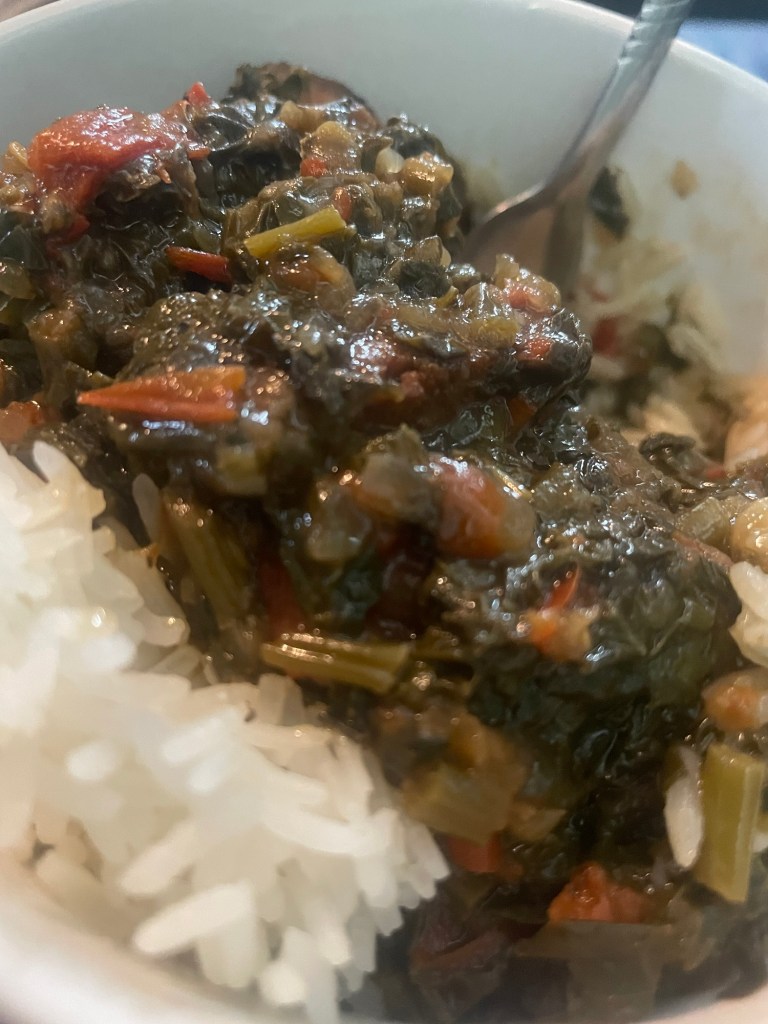
A Plant-Based Sweet Potato Leaf Stew Inspired by Sierra Leone

One of my favorite things about gardening is watching memories grow alongside the vegetables.

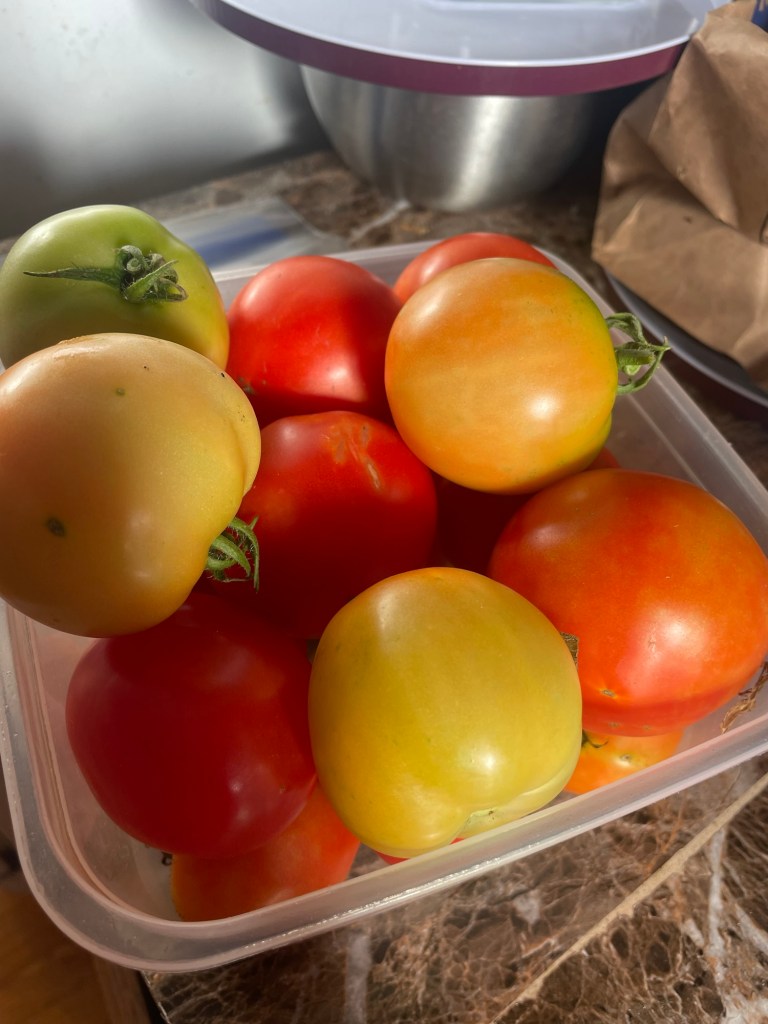
This week, I harvested tomatoes and sweet potato leaves from my garden, and as I carried them into the kitchen, I couldnโ€™t help but think of my grandmother.

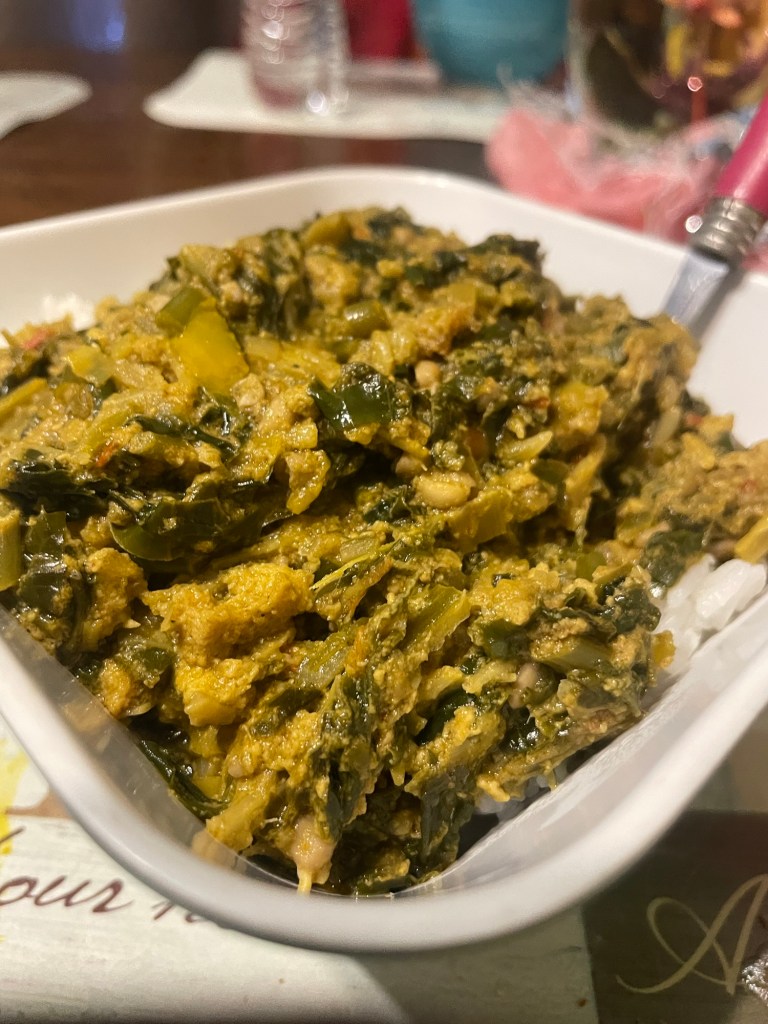
Sweet potato leaf stew was one of those meals that brought our family together. Growing up, it was often prepared with meat or fish, just as it is in many Sierra Leonean households. The aroma alone could fill the house and let everyone know dinner was almost ready.

Today, I still make that same stewโ€”but with a few twists of my own.

Over the years, my diet has become mostly plant-based, so instead of meat, I use extra-firm tofu. It adds a satisfying texture while allowing me to honor the flavors I grew up with in a way that fits my lifestyle today.

Every time I make this dish, it feels like Iโ€™m bringing a little piece of my grandmotherโ€™s kitchen into my own.

Garden-to-Table Sweet Potato Leaf Stew

Ingredients

For the stew

  • About 6 cups chopped sweet potato leaves
  • 1 block extra-firm tofu, thawed, pressed, seasoned, and fried
  • 5 medium garden tomatoes
  • 2 yellow onions
  • 2 medium bell peppers
  • Oil for frying

Seasonings

  • Hot pepper flakes (to taste)
  • 1 tablespoon grated fresh ginger
  • 3โ€“4 cloves garlic, minced or grated
  • Seasoned salt (to taste)
  • 1 teaspoon turmeric
  • 2 tablespoons nutritional yeast

To Serve

  • Cooked jasmine rice

Directions

  1. Preheat your oven to 350ยฐF.
  2. Score the tomatoes with a shallow โ€œXโ€ on the bottom of each one and bake for about 10 minutes, until the skins begin to loosen. Remove them from the oven, peel away the skins, and blend or mash the tomatoes into a smooth sauce.
  3. While the tomatoes are roasting, season the tofu to your liking and fry until golden on all sides. Set aside.
  4. Blend the onions and bell peppers together in a food processor until smooth.
  5. Pour the vegetable mixture into the hot oil and cook for about 10 minutes, stirring occasionally.
  6. Add the hot pepper flakes, grated ginger, garlic, seasoned salt, turmeric, and nutritional yeast. Continue cooking for another 5 minutes, allowing the spices to bloom and become fragrant.
  7. Stir in the fresh tomato sauce.
  8. Add the chopped sweet potato leaves, reduce the heat, and cook for about 10 minutes, stirring occasionally.
  9. Taste the stew and adjust the seasonings as needed.
  10. Gently fold in the fried tofu and simmer for another 10โ€“15 minutes, allowing all of the flavors to come together.
  11. Serve over warm jasmine rice.

A Meal That Gets Better With Time

Like many stews, this one tasted even better the next day.

The flavors had more time to develop, making every bite richer than the last.

Itโ€™s one of those meals thatโ€™s perfect for meal prep because tomorrowโ€™s lunch might be even better than tonightโ€™s dinner.

More Than a Recipe

As I stood in my kitchen cooking this meal, I realized that gardening has become about so much more than growing food.

Itโ€™s about preserving traditions.

Itโ€™s about remembering the people who taught us to cook long before recipes were written down.

Itโ€™s about taking something familiar and making it your own without losing the heart of where it came from.

My grandmother may not have made sweet potato leaf stew with tofu, but I like to think sheโ€™d appreciate that the spirit of her cooking still lives on.

Every harvest reminds me that traditions donโ€™t have to stay frozen in time.

They can continue to growโ€”just like the gardens we tend.

โค๏ธ Happy cooking,
Lulu

Gardening

Building a Backyard Food Forest One Harvest at a Time

When I first started gardening, my goal was simple: grow some of my own food.

Over time, that vision has expanded. What began as a few vegetables has slowly evolved into something much biggerโ€”a small backyard ecosystem filled with food, flowers, pollinators, and the promise of future harvests.

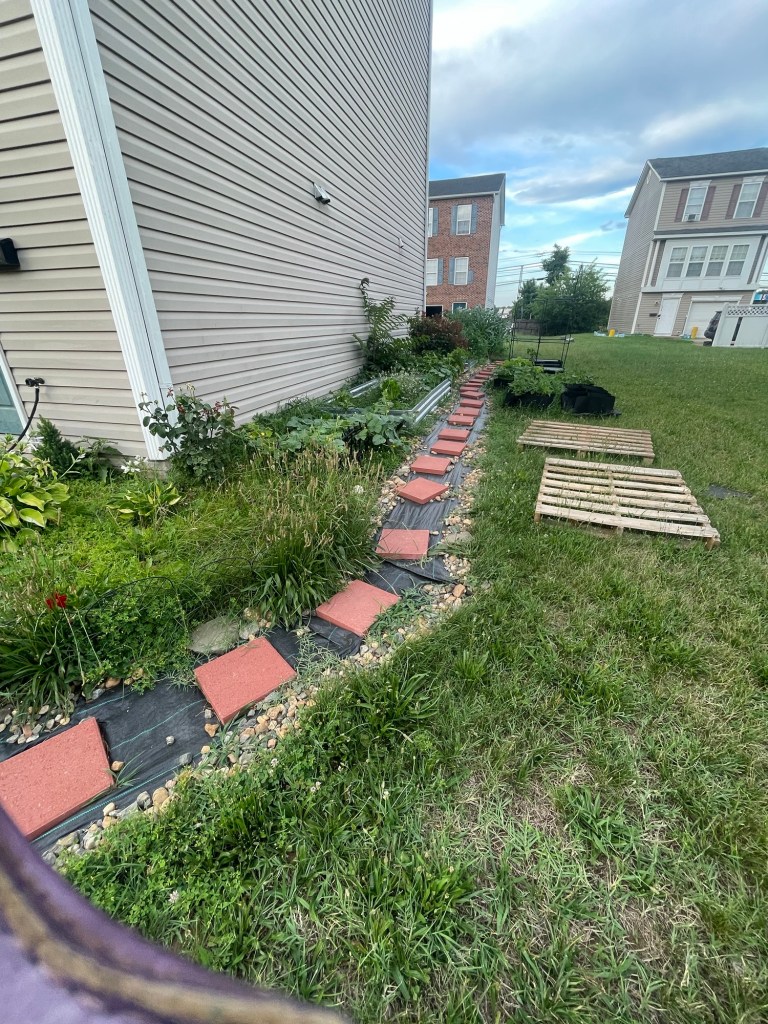
This week, I spent some time walking through the garden and reflecting on how much progress has been made. Looking at the pathway, the raised beds, and the growing plants, I can finally begin to see the vision coming together.

Harvesting From the Garden

One of the greatest joys of gardening is bringing fresh food directly from the garden to the kitchen.

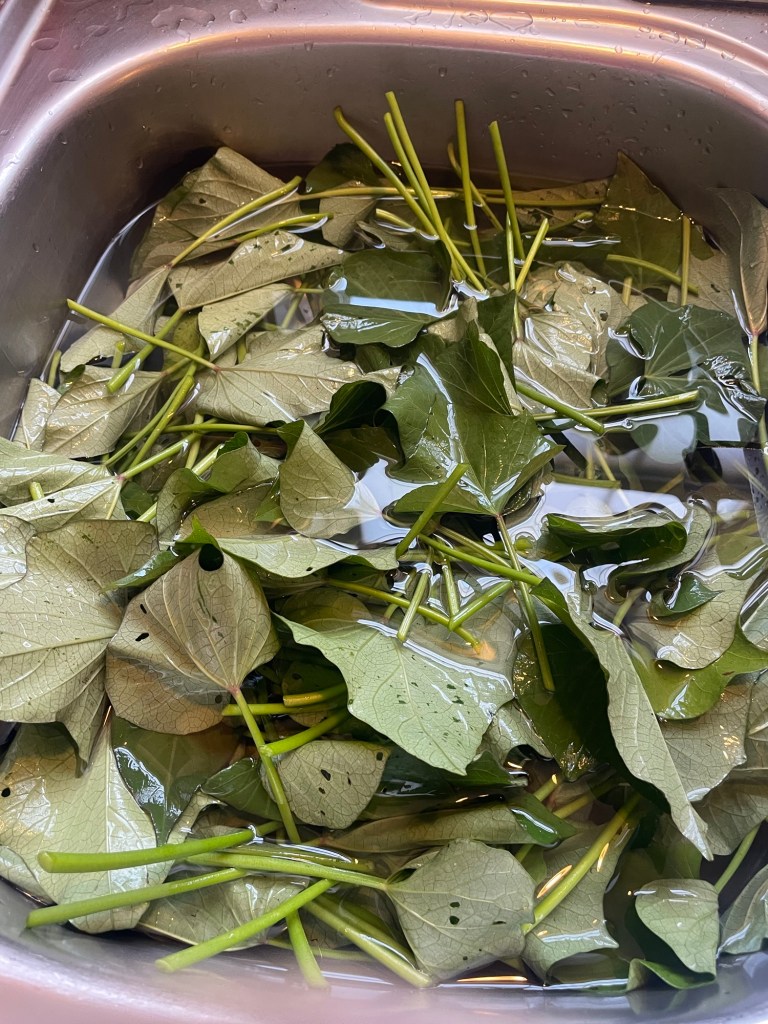
Recently, I harvested sweet potato greens and used them in meals for my family. Sweet potato leaves are one of my favorite garden crops because they are nutritious, productive, and often overlooked by many gardeners.

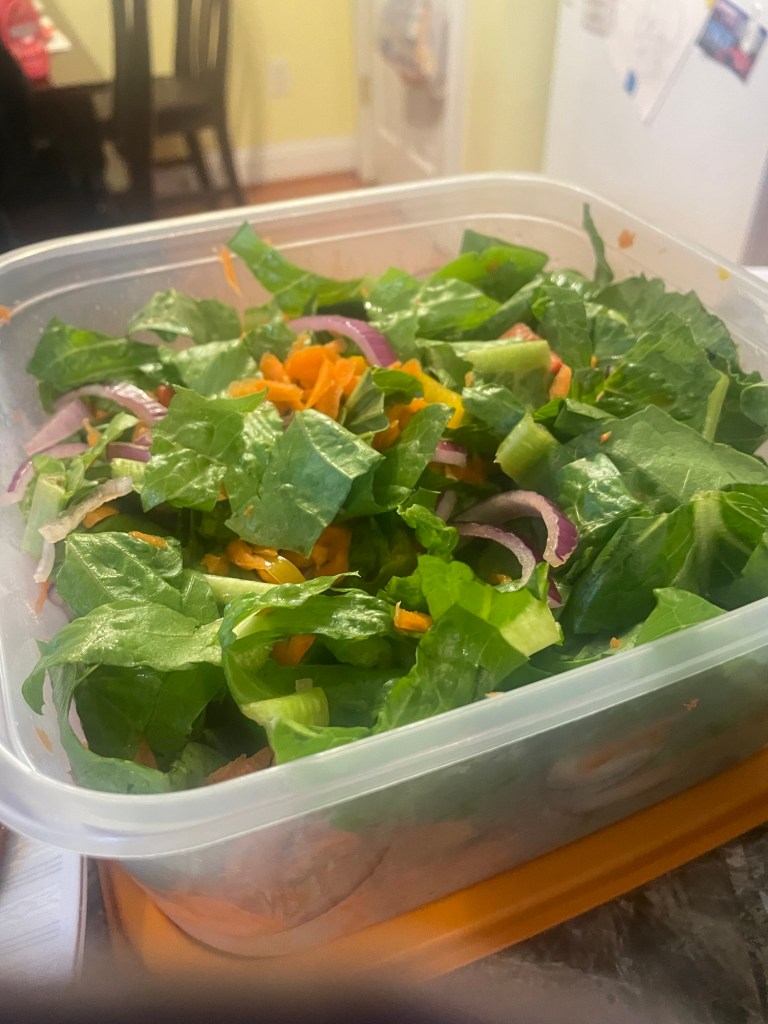
I also harvested fresh greens that became a colorful salad filled with garden-fresh ingredients. There is something incredibly satisfying about preparing food that was growing just a few feet from your back door only hours earlier.

Every harvest, no matter how small, feels like a victory.

Before making their way to the table, the sweet potato leaves were carefully washed and prepared. One thing I love about growing food is reconnecting with the process from garden to plate.

The finished dish was simple, nutritious, and made almost entirely from ingredients grown at home.

Whatโ€™s Thriving

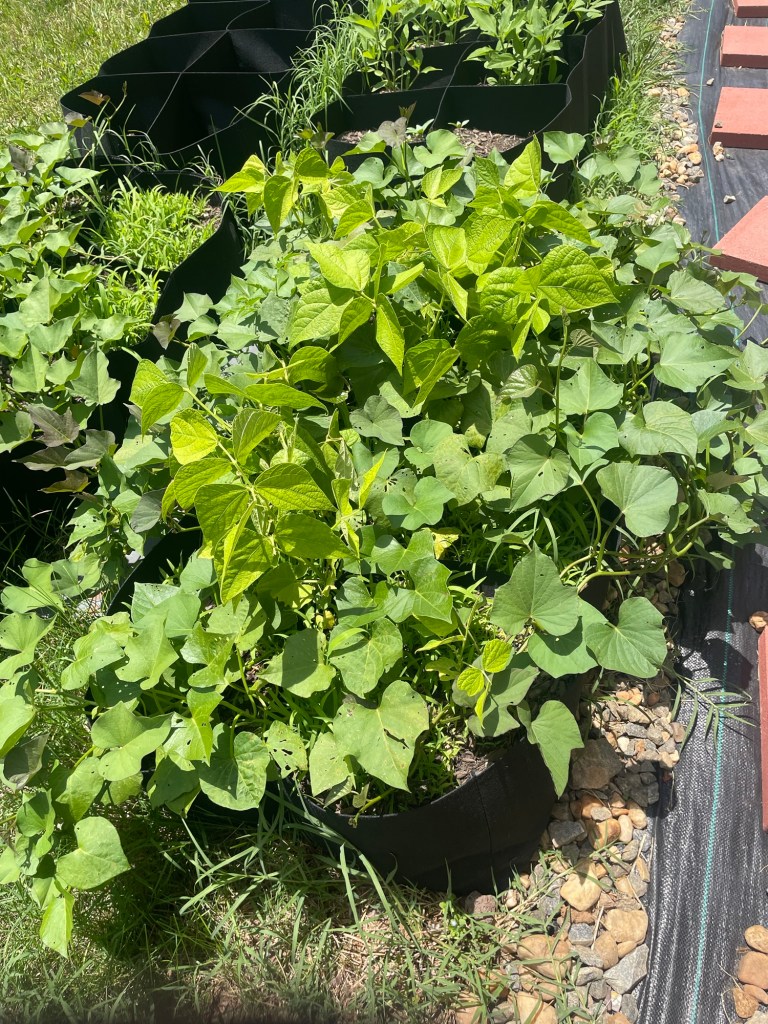
The sweet potatoes have completely taken off this season. Their vines are lush, vigorous, and filling the grow bags with beautiful green growth.

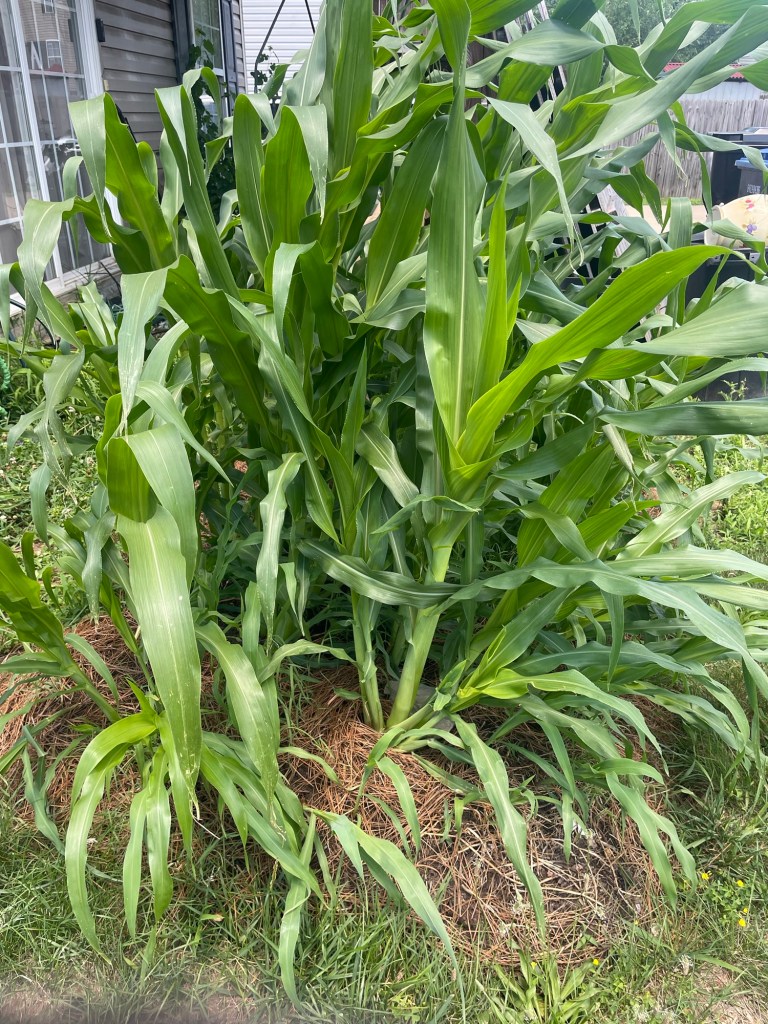
The corn has become one of the most impressive features in the garden. Every week it seems taller than the last, creating a living wall of green that reminds me how quickly summer arrives.

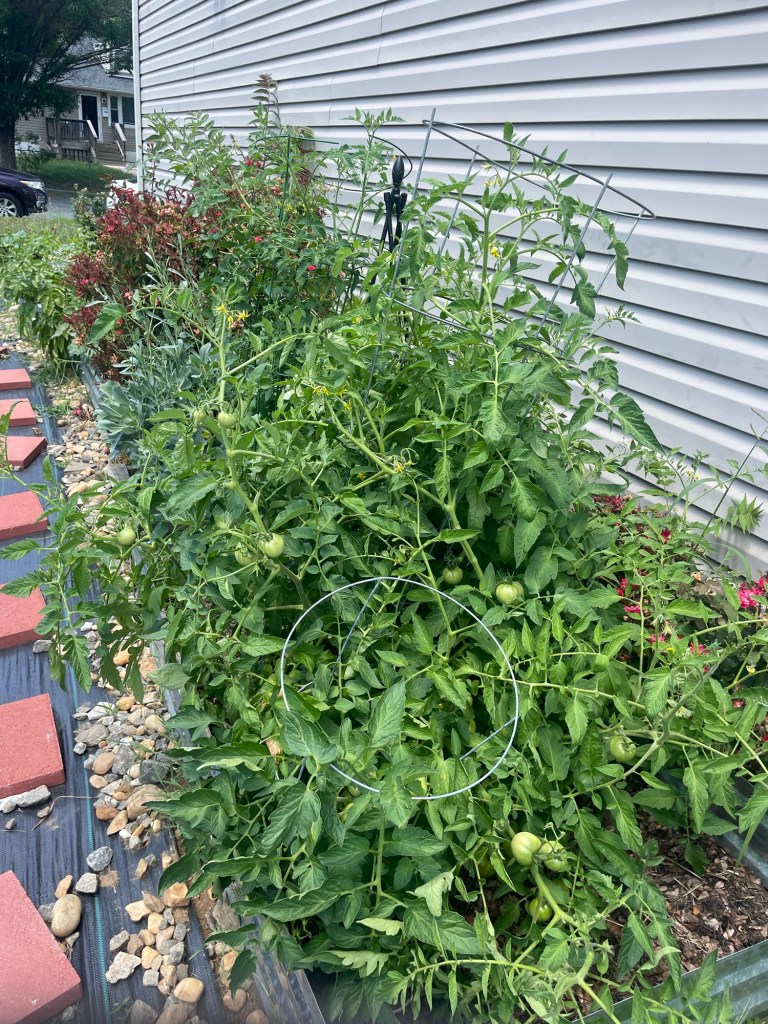
The tomatoes are loaded with developing fruit and continue to grow vigorously. Seeing clusters of tomatoes forming is one of those moments that makes all the watering, pruning, and patience worthwhile.

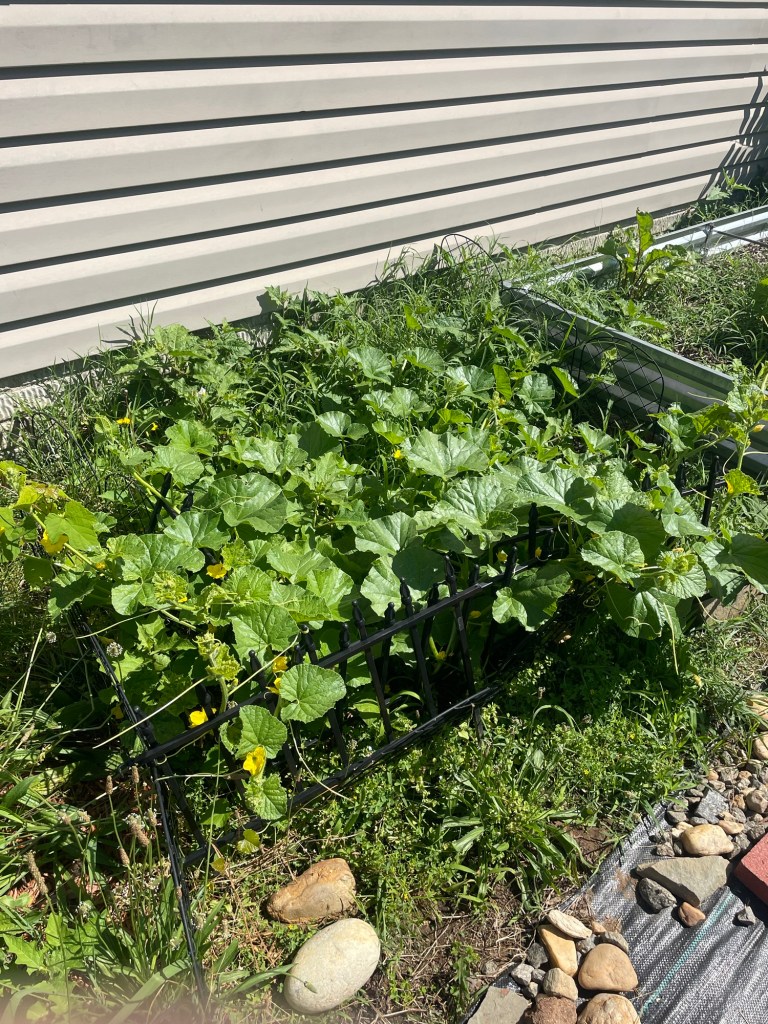
The cucumber vines are spreading throughout the bed and producing beautiful yellow blossoms that promise future harvests.

More Than Vegetables

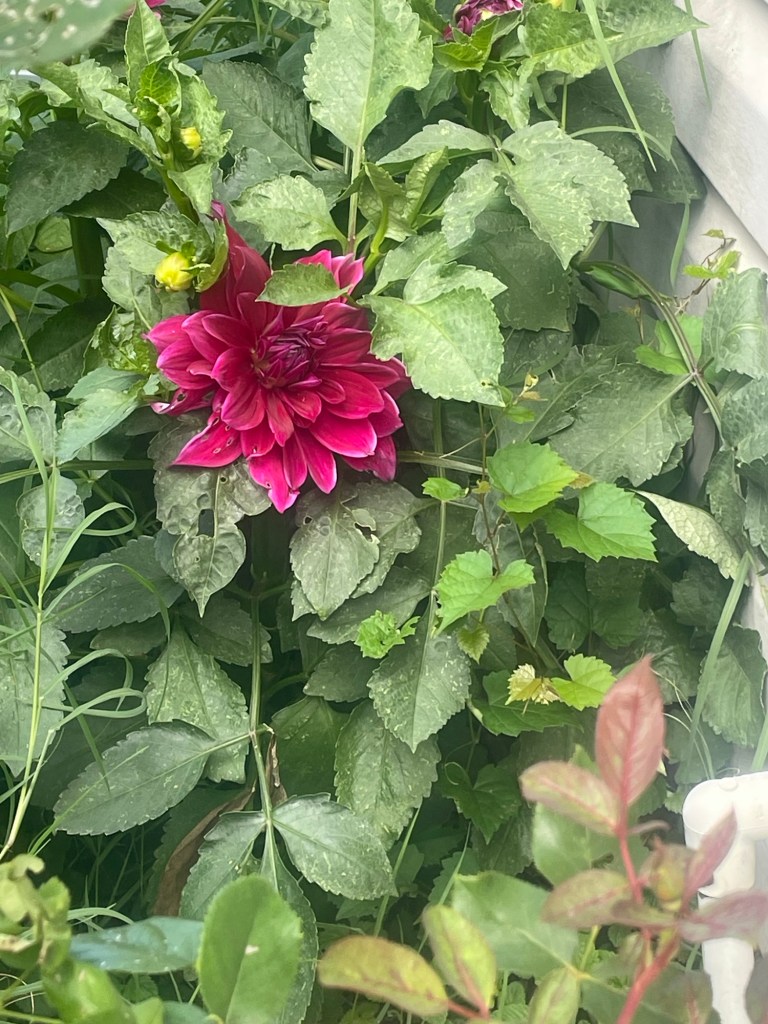
One of my favorite flowers in the garden recently openedโ€”a stunning dahlia bloom that added a burst of color among all the shades of green.

Flowers are just as important to me as vegetables. They attract pollinators, support biodiversity, and remind me that a garden should nourish the spirit as much as it nourishes the body.

Over the years, Iโ€™ve found that gardening isnโ€™t only about producing food. Itโ€™s also about creating beauty, building habitat, and finding moments of peace in the middle of everyday life.

Lessons From This Season

Gardening constantly teaches patience.

Some crops thrive immediately while others struggle. Some plans work exactly as expected, while others require adjustments along the way.

This season has reminded me that growth doesnโ€™t have to be perfect to be meaningful.

The pathway is still evolving. The garden layout continues to change. New projects are always waiting around the corner.

But when I look at the harvests coming into my kitchen and the life filling these garden beds, I can clearly see that progress is happening.

One plant, one harvest, and one season at a time.

Thank you for following along on this journey with me. I look forward to sharing more harvests, lessons, and garden adventures as the season continues.

Happy gardening,

Lulu

Gardening · Gardening

Garden Update: Some Wins, Some Lessons

This week in the garden has been a mix of encouragement and frustration. Some of my plants are thriving while others are clearly struggling, and honestly, I think the strange weather has a lot to do with it.

My spinach and okra have not been doing well at all. The spinach started bolting and looking stressed almost overnight, and the okra just seems unhappy no matter what I try. Between the random temperature swings, heavy rain, cooler nights, and sudden heat, I think the plants are having a hard time adjusting. Gardening really teaches patience because sometimes you can do everything โ€œrightโ€ and nature still has other plans.

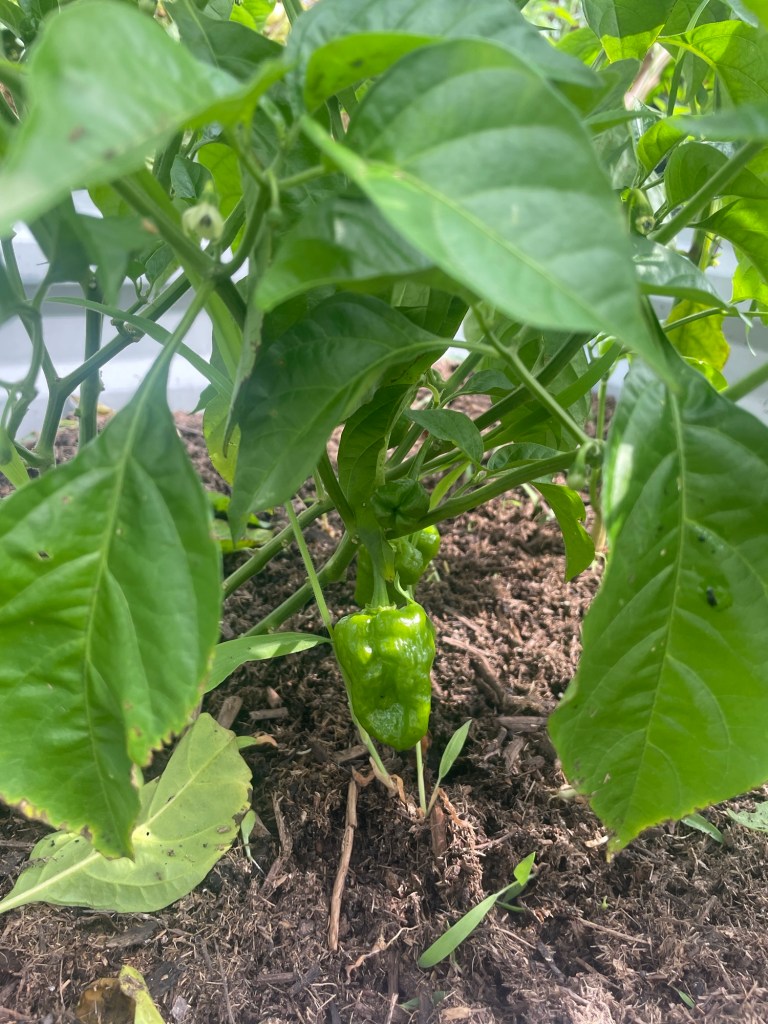
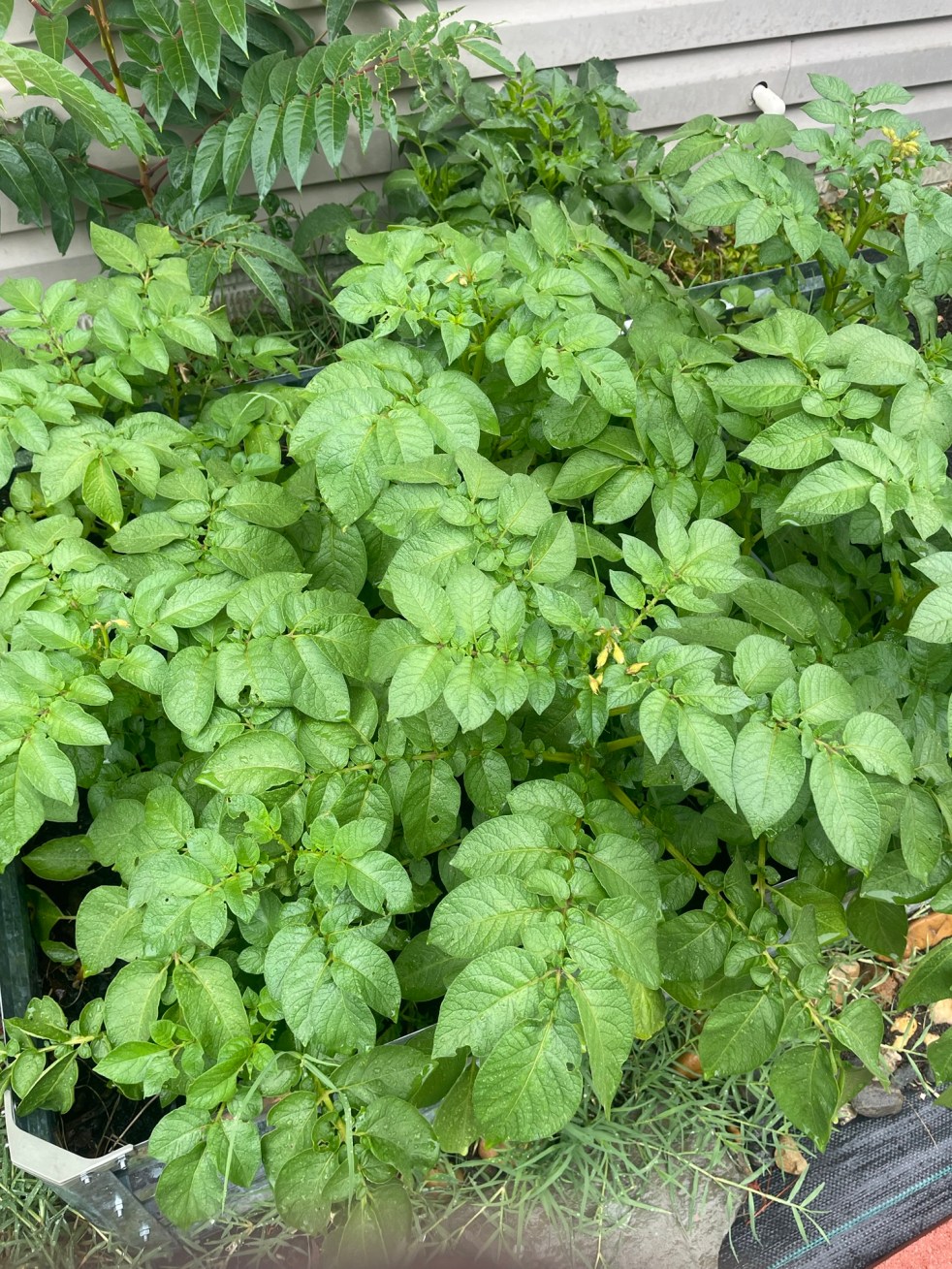
Thankfully, not everything is struggling. The potatoes are making steady progress and the corn is finally starting to look strong and established. My tomatoes are filling out nicely, the peppers are slowly taking off, and the peanuts are doing much better than I expected. Seeing those little wins helps balance out the disappointment of losing or struggling with other crops.

One thing Iโ€™m learning this season is that every garden tells a story. Some plants thrive in certain conditions while others refuse to cooperate. Instead of looking at setbacks as failures, Iโ€™m trying to see them as lessons for the next season. I may end up restarting the okra in a different area with more heat, and Iโ€™ll probably wait until cooler temperatures return before trying another round of spinach.

Even with the challenges, I still enjoy walking through the garden every morning. Thereโ€™s something peaceful about watching things grow slowly over time. Progress may not always look perfect, but progress is still progress.

Whatโ€™s growing well in your garden right now?

Uncategorized

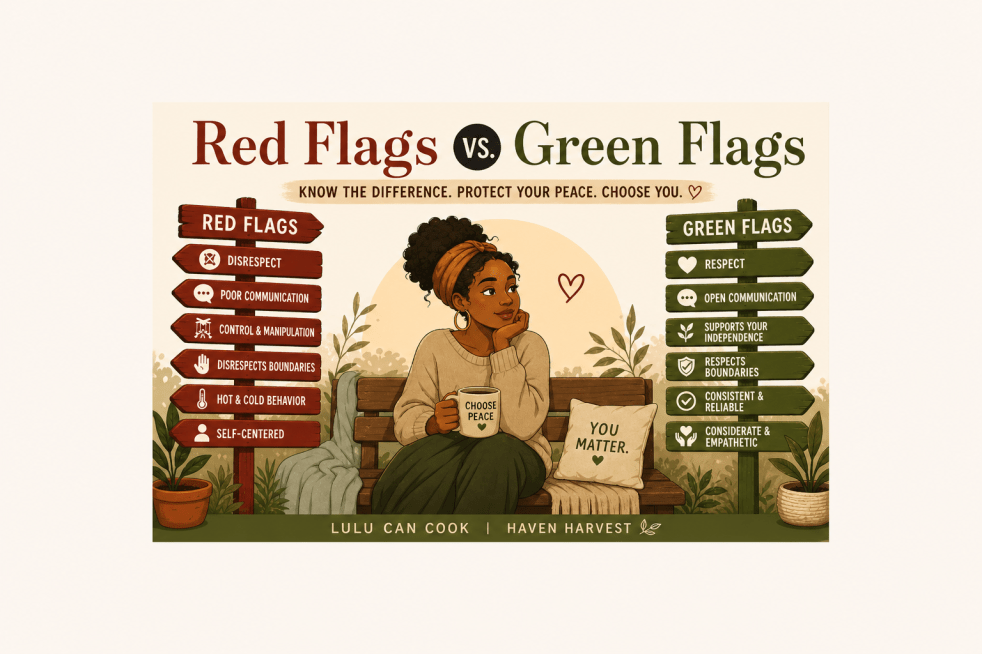
Red Flags vs Green Flags: Why Some Signs Are Easy to Miss

This post is not like my typical posts and I appreciate you taking the time to read and maybe share it. In the wake of so many recent domestic violence cases coming up in the news I felt inclined to share some of the early warning signs that both men and women miss in relationships. We live in a fast paced society and sometimes that paired with traumatic/toxic childhoods, it can be hard to see what is healthy and is not healthy in romantic relationships.

Sometimes, the difference between healthy and unhealthy love isnโ€™t obvious. Not because the signs arenโ€™t thereโ€”but because of what many people were taught to accept early in life. The way someone experiences love growing up can shape what feels normal later on. If love felt inconsistent, conditional, or emotionally unsafe, those patterns can quietly become familiar. And familiarity can feel a lot like connection.

When Red Flags Feel Normal

For many people, certain behaviors donโ€™t immediately stand out as unhealthyโ€”especially if theyโ€™ve seen or experienced them before. Letโ€™s take a closer look.

1. Lack of Respect:

Being dismissed, talked down to, or made to feel โ€œtoo sensitiveโ€ can become easy to overlook when respect wasnโ€™t consistently modeled.

Green flag: Feeling heard, valued, and taken seriously.

2. Poor Communication:

Silence, avoidance, or conversations that turn into blame can feel familiarโ€”but they often leave people feeling unheard.

Green flag: Open, honest conversations where both people feel safe expressing themselves.

3. Control Disguised as Care:

Guilt, pressure, or subtle manipulation can sometimes be mistaken for love or concern.

Green flag: Support that allows space, independence, and personal growth.

4. Disrespecting Boundaries:

Feeling guilty for saying noโ€”or being pushed past personal limitsโ€”is a sign that boundaries arenโ€™t being honored.

Green flag: Boundaries are respected without pressure, guilt, or punishment.

5. Hot and Cold Behavior:

Inconsistency can feel intense, but it often creates confusion and anxiety over time.

Green flag: Consistency, reliability, and emotional steadiness.

6. Self-Centered Dynamics:

When everything revolves around one personโ€™s needs, the relationship can start to feel one-sided.

Green flag: Mutual care, empathy, and shared emotional space.

What Makes This So Hard

For people who learned to adapt, people-please, or keep the peace, these patterns donโ€™t always stand out right away. They can feel familiar. Predictable. Even comfortable in a way thatโ€™s hard to explain. But familiar doesnโ€™t always mean healthy.

Choosing Something Different

Learning to recognize these patterns is not about blaming the pastโ€”itโ€™s about creating awareness in the present. Healthy relationships may feel different at first. Quieter. Steadier. Less overwhelming. But that difference often means something important is finally present. The bottom line is that a healthy relationship should feel like a place to land. Not a place to constantly question, prove and or recover from.

A Gentle Check-In

If this resonated, take a moment to reflect:

  • Which patterns have felt familiar in past relationships?
  • Which green flags feel unfamiliarโ€”but important?
  • What would it look like to choose peace, even if it feels new?

You donโ€™t have to figure everything out today.

But awareness is a powerful place to start.

Letโ€™s Talk

If you feel comfortable, share your thoughts in the comments:

  • Which red flag do you think people overlook the most?
  • Or which green flag changed your perspective on love?

Your voice might help someone else see things more clearly.

Thank you for your continued support and visits.

-Lulu

Gardening · Gardening

Garden Progress: Small Changes That Are Making a Big Difference

Thereโ€™s something rewarding about seeing your garden slowly come togetherโ€”one project at a time.

This past week, I focused on making a few key updates around my garden space. None of them were huge on their own, but together, theyโ€™re making a big difference in how everything looks, feels, and functions.

Finishing the Walkway

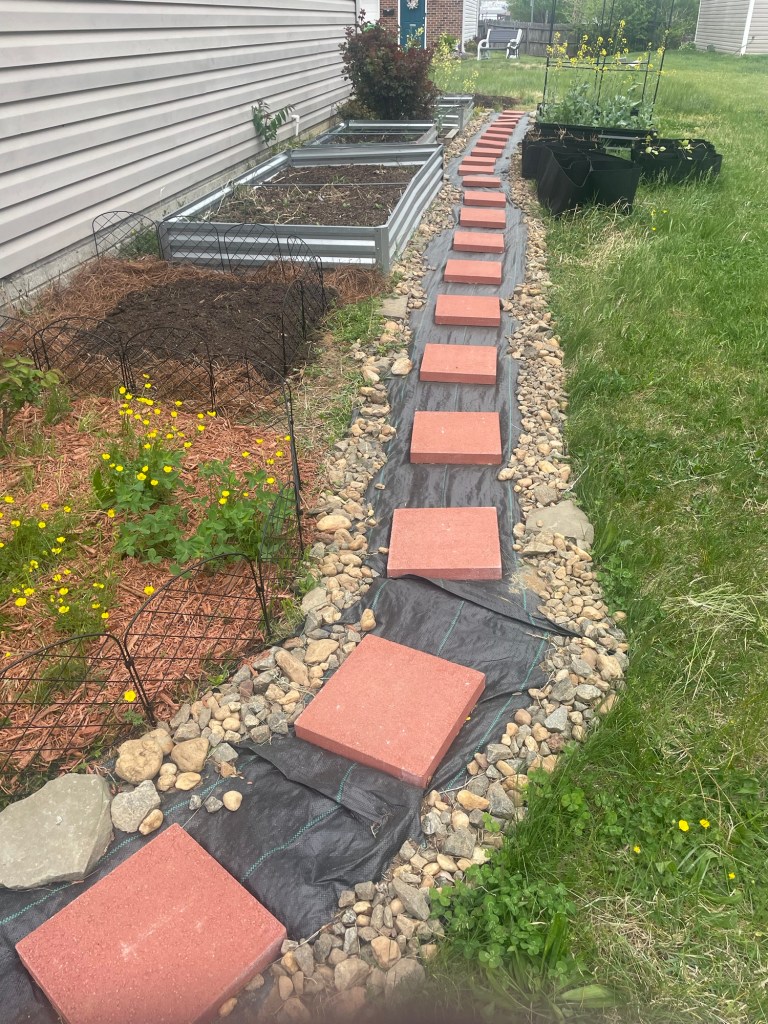
One of the biggest improvements I made was finally completing the walkway.

This has been a work in progress, but now that itโ€™s done, it completely changes how I move through the space. Itโ€™s cleaner, more structured, and honestly just feels more intentional.

Itโ€™s a small detail, but it makes everyday tasks in the garden so much easier.

Adding a Decorative Fence (and Solving a Problem)

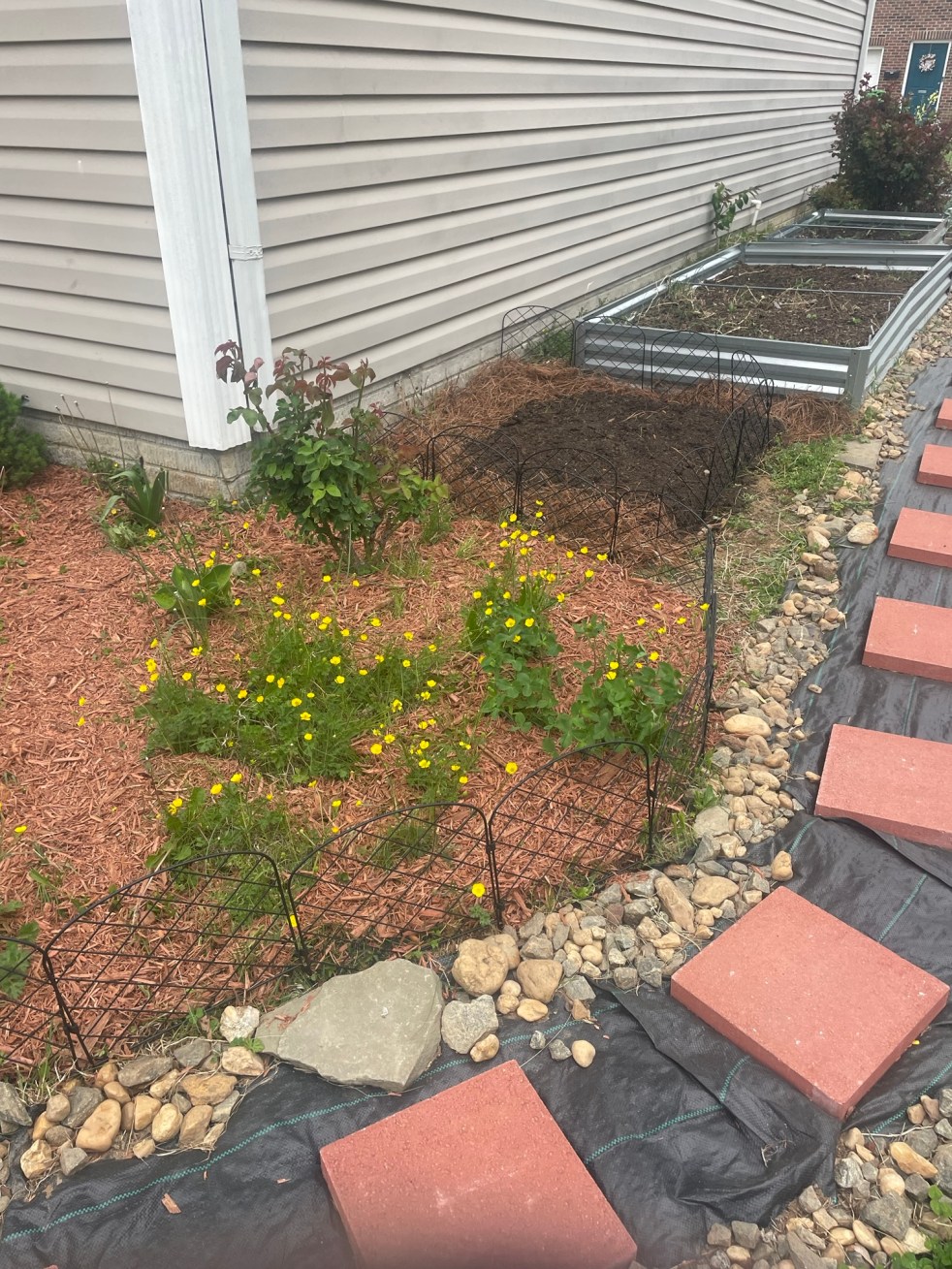
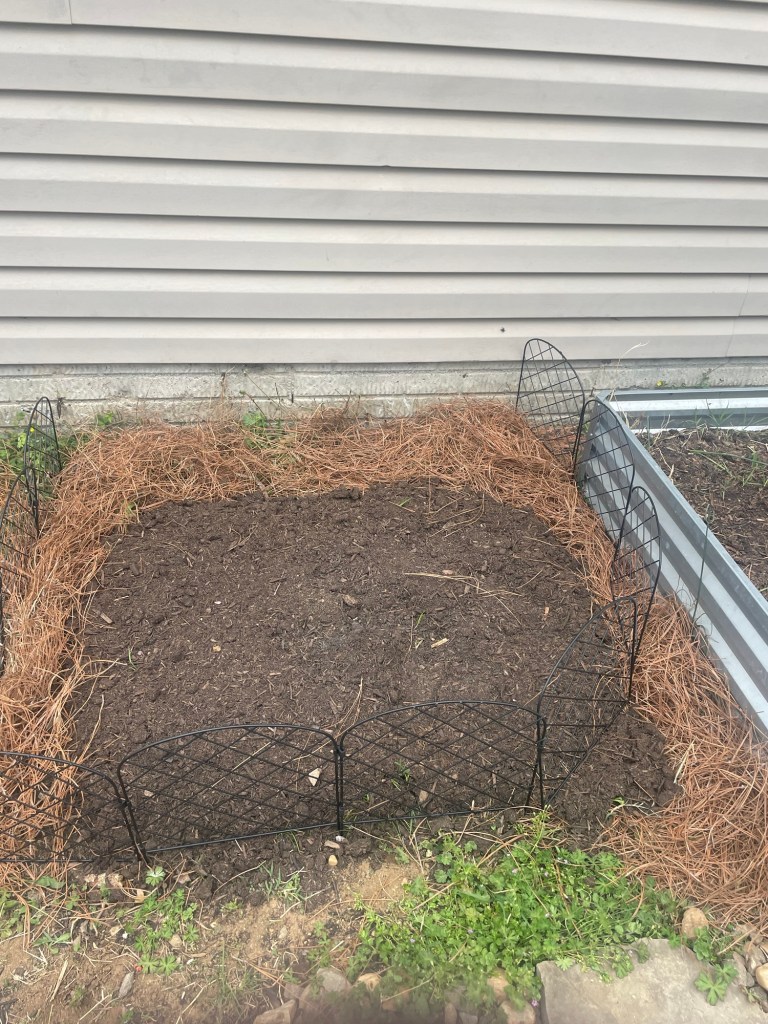
I also added a decorative fence around:

My flower area The section where I planted peanuts

This wasnโ€™t just for looksโ€”it solved a real issue.

Stray cats had started using that space as a litter box, which is something I definitely needed to get under control. Since adding the fence, Iโ€™ve already noticed a difference.

Now the space feels protected and more visually put together.

Upgrading My Rain Barrel Setup

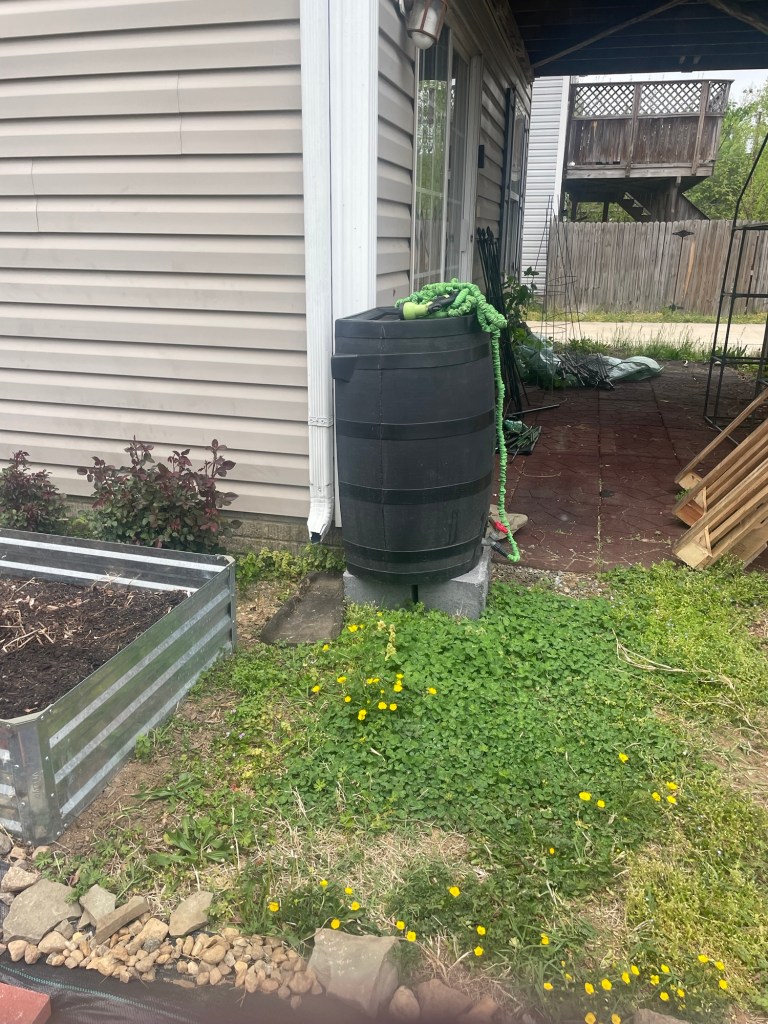
Another small but important update was mounting my rain barrel.

Before, it was sitting too low, which made it harder to access the water once it filled up. Elevating it has made collecting and using rainwater much more practical.

Itโ€™s one of those changes that improves efficiency without requiring a lot of effort.

Harvesting Collard Greens

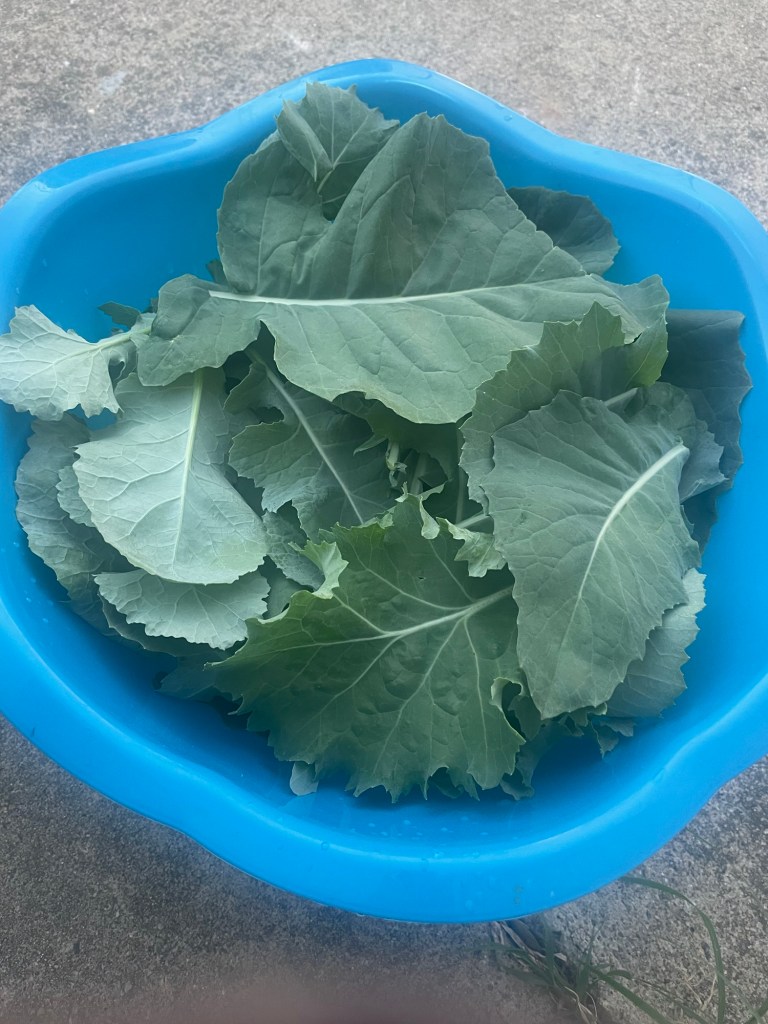
I was also able to harvest some collard greens, which always feels like a win.

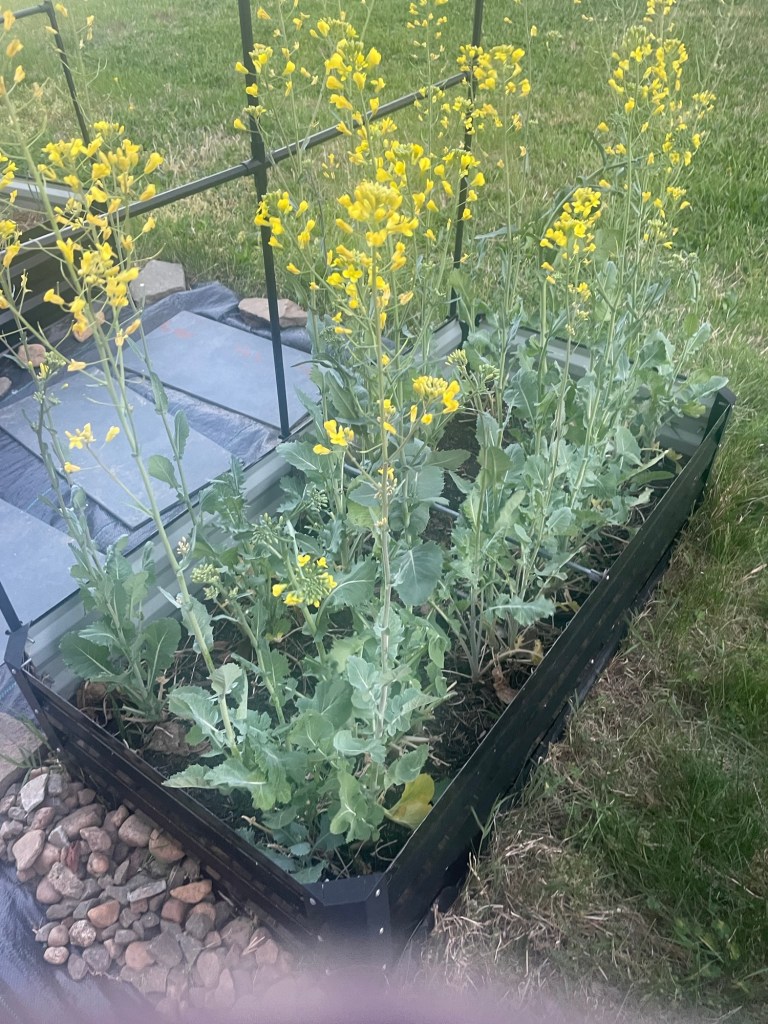
Right now, Iโ€™m letting a few plants go to seed. Once the seeds are ready and collected, Iโ€™ll clear that bed to make room for cucumbers and green beans.

Itโ€™s all part of the cycleโ€”harvest, reset, and plant again.

Looking Ahead

This season is teaching me that gardening isnโ€™t about rushing.

Itโ€™s about:

Making steady improvements Learning from what works (and what doesnโ€™t) Creating a space that grows with you

Every small step adds up.

Final Thoughts

This week wasnโ€™t about doing everythingโ€”it was about doing what I could and doing it well.

And right now, thatโ€™s enough.

Gardening · Gardening

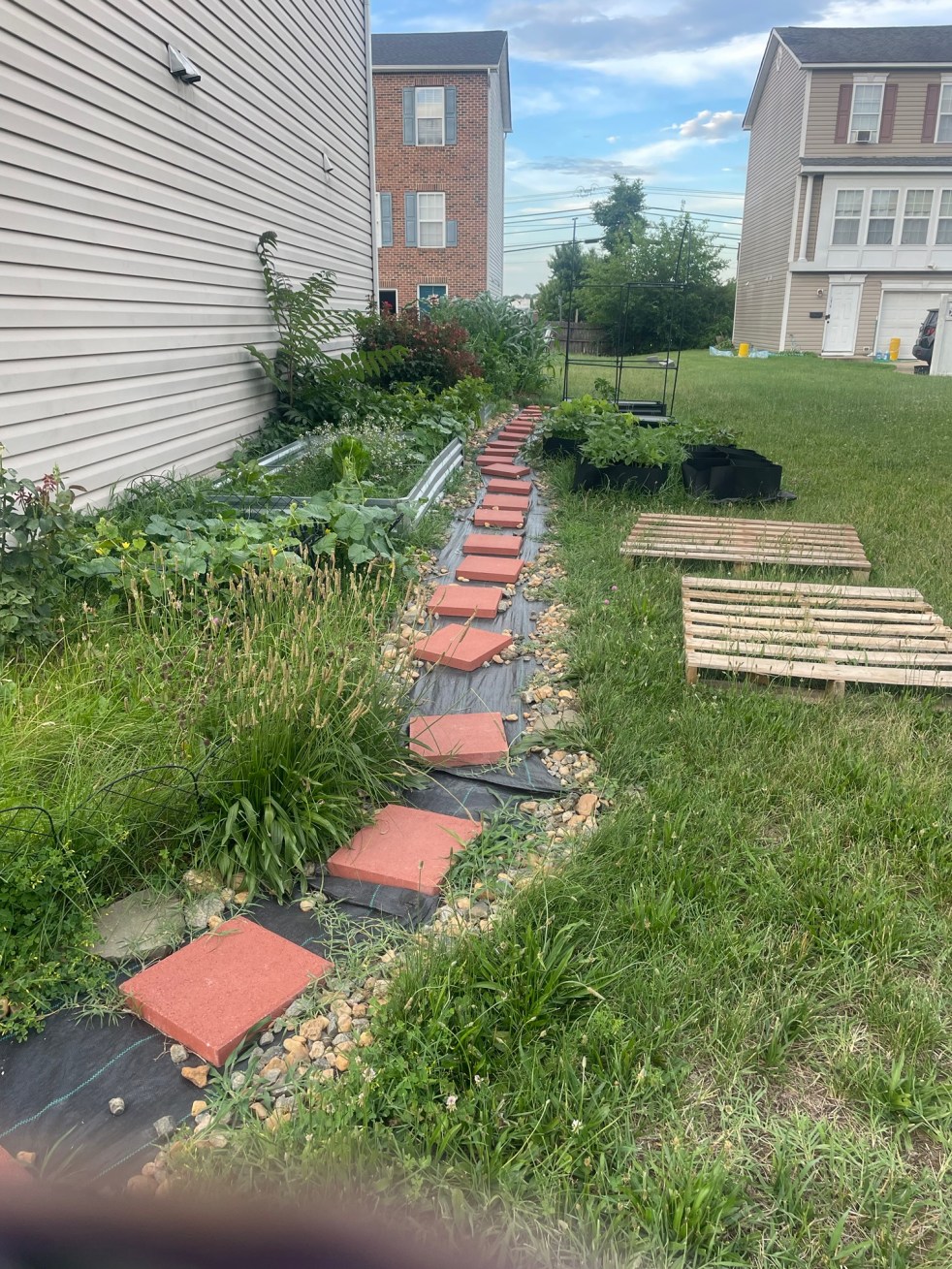
Slowly Building Haven Harvest: Walkways, Growth, and New Beginnings.

This past week, I spent time pouring back into my gardenโ€”and for the first time, itโ€™s starting to feel like something intentional, not just something I planted and hoped would grow.

Little by little, Haven Harvest is coming together.

๐ŸŒฑ Creating a Walkway

One of the biggest updates I made was building a walkway through the garden. I wanted something that felt natural, grounded, and functionalโ€”something that would allow me to move through the space without disturbing the beds.

I laid down a weed barrier first, then began placing rocks that Iโ€™ve been collecting from around the property. Thereโ€™s something special about using what I already have. It makes the space feel more connected, more personal.

I added a few pavers to help stabilize certain areas, and Iโ€™m still working on filling it in, but even now, itโ€™s already transforming how the garden feels.

Itโ€™s no longer just a space where things growโ€”itโ€™s becoming a space where I can be.

๐ŸŒฟ Feeding the Soil

I also spent time adding more compost to my beds. Iโ€™ve learned that healthy plants really do start with healthy soil, so Iโ€™m trying to be more intentional about feeding it regularly.

On top of that, I made a simple fertilizing โ€œteaโ€ using things I had at home. I used:

  • boiled banana peels
  • used coffee grounds
  • crushed eggshells

I let everything steep and then used that nutrient-rich water to feed both my indoor and outdoor plants.

Itโ€™s a small step, but it feels good knowing Iโ€™m nourishing my plants in a natural, sustainable way.

๐ŸŒผ Refreshing the Deck Garden

I didnโ€™t forget about my deck either.

I added a new growing tower to maximize space, especially for herbs and smaller plants. Itโ€™s functional, but it also adds a really nice visual element.

To bring everything together, I laid down an outdoor rug, and that simple addition made the whole space feel more invitingโ€”like an extension of my home.

๐ŸŒž Where I Am Right Now

My garden isnโ€™t perfect, and itโ€™s definitely still a work in progressโ€”but itโ€™s growing, just like I am.

Every rock placed, every bed turned, every small updateโ€”it all adds up.

Iโ€™m learning to take my time, to build slowly, and to appreciate each step along the way.

This isnโ€™t just about growing food.

Itโ€™s about creating a space that feels like peace, purpose, and possibility.

And Iโ€™m really proud of how far itโ€™s come.

๐Ÿ“ธ Garden Progress

Iโ€™ve included a few photos below to show how everything is coming together so far. Iโ€™m excited to keep building and sharing this journey.

โ€œIf youโ€™re building your own garden, Iโ€™d love to hear what youโ€™re working on this season ๐ŸŒฑโ€

Gardening · Gardening

Zone 7a Spring Garden Update: Starting Seeds Indoors & Preparing Raised Beds

Thereโ€™s something about this time of year that feels full of possibility.

The air is still cool. The mornings are quiet. But underneath the surface, everything is preparing to grow โ€” and so am I.

This week, I officially started seeds indoors.

And just like that, the planting season feels real.


๐ŸŒฟ The Indoor Seed Station Is Fully Operational


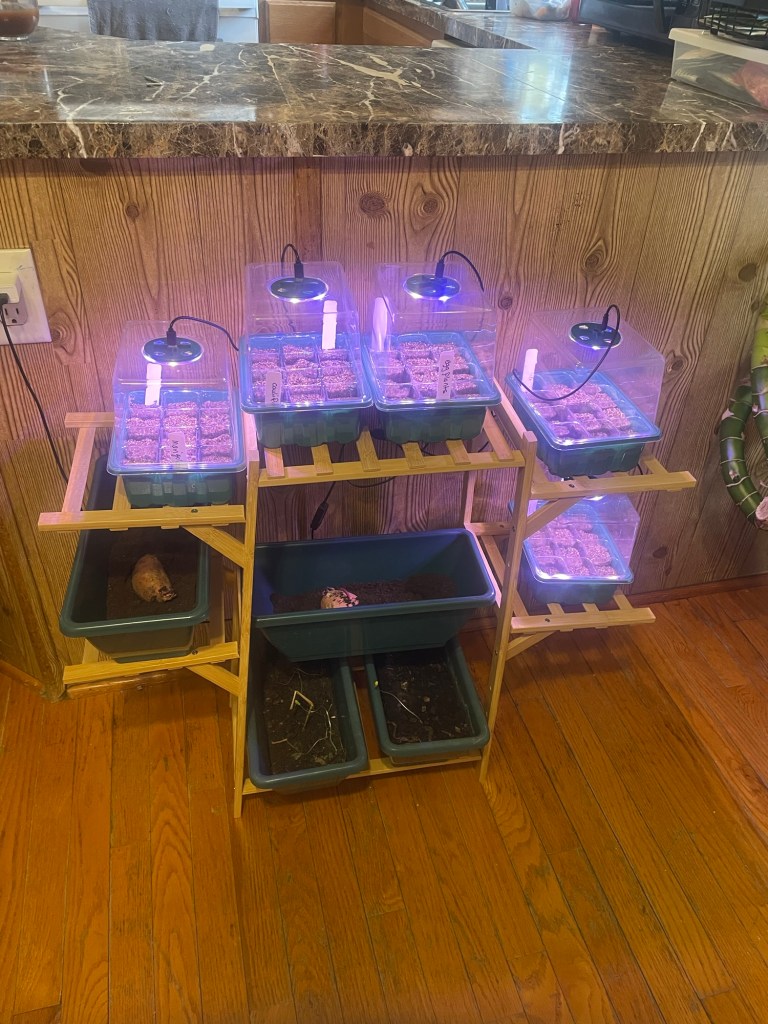
Wide shot of my full seed station with trays and grow lights

This year I expanded my indoor setup โ€” multiple trays, labeled pods, grow lights positioned carefully, and even sweet potatoes sprouting below.

It may look simple, but this setup represents planning, learning, and commitment. Iโ€™m not rushing this season. Iโ€™m building it intentionally.


๐ŸŒฑ First Sprouts Under the Lights


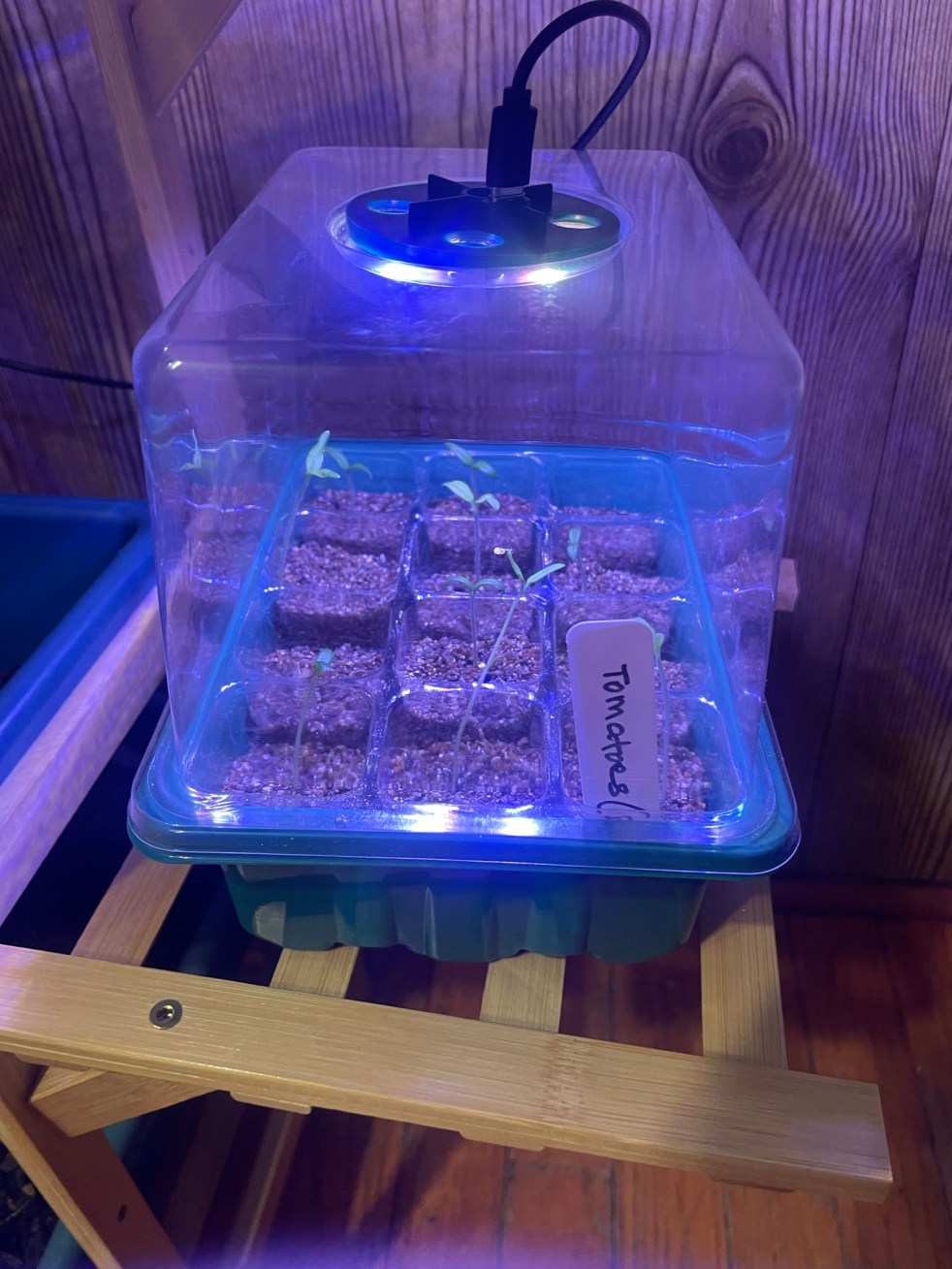
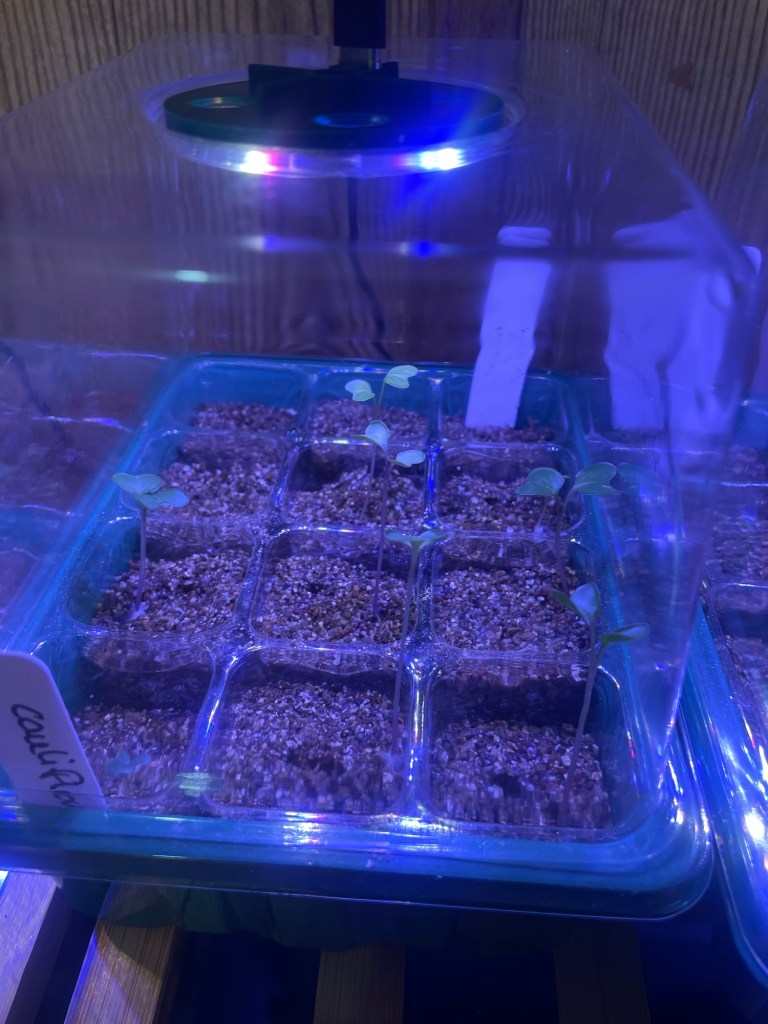
Close-up of seedlings under grow lights

Watching those first leaves unfold under the glow of the grow lights never gets old. They may look delicate, but whatโ€™s happening below the surface is powerful.

Roots are forming.
Systems are strengthening.
Life is preparing.

This yearโ€™s indoor lineup includes:

  • Eggplant
  • Cayenne peppers
  • Bell peppers
  • Cauliflower
  • Broccoli
  • Basil
  • Marigolds
  • Sweet potatoes
  • Tomatoes

Peppers and eggplant need that early head start. The brassicas will transition outside earlier if the forecast cooperates. Basil and marigolds are part of my companion planting strategy โ€” protection, pollination, and balance.

And the sweet potatoes? Those are personal. Watching them sprout reminds me that even something dormant can surprise you with life.


๐Ÿชต Preparing the Raised Beds


Photo of raised beds before cow manure

Outside, the beds are waiting.

I added more cow manure to enrich the soil and refreshed the raised beds in preparation for spring planting. The yard still looks winter-worn, but I can already see what it will become.

Healthy soil means stronger roots, better yields, and more resilient plants.

Soil first. Always.


๐ŸŒฝ The Future Corn & Peanut Patch


Outdoor patch photo where corn and peanuts will go

This is where the corn and peanuts will grow this year.

But timing matters.

Iโ€™m watching the forecast carefully, especially soil temperatures. Corn and peanuts need warmth and stability. Iโ€™m waiting until frost risk has passed and the soil temperature is consistently warm enough to support strong growth.

Gardening has taught me that patience protects your harvest.


๐Ÿ“… Zone 7a Planting Timeline (Quick Reminder)

Living in Zone 7a means our average last frost date typically falls around mid-April (April 10โ€“20). That date guides almost everything I do this time of year.

Hereโ€™s how Iโ€™m planning around it:

6โ€“8 weeks before last frost (Februaryโ€“early March):

  • Start peppers, eggplant, tomatoes indoors
  • Begin brassicas like broccoli and cauliflower

4โ€“6 weeks before last frost:

  • Start basil and companion flowers like marigolds

2โ€“3 weeks before last frost (weather permitting):

  • Harden off cool-weather crops
  • Transplant broccoli and cauliflower outdoors

After last frost (mid-to-late April):

  • Transplant peppers, tomatoes, eggplant
  • Direct sow corn
  • Plant peanuts once soil temperatures are above 65ยฐF
  • Move sweet potato slips outdoors once nights are consistently warm

Gardening in Zone 7a is about watching the weather โ€” not just the calendar.


๐Ÿ“’ Systems Matter This Year

This year I have:

  • My gardening binder organized
  • Seed inventory tracked
  • Raised beds refreshed
  • A growing app helping me stay on schedule
  • Weather patterns monitored closely

It feels less chaotic and more strategic.

Preparation brings peace.


๐ŸŒฟ Planting With Purpose

Every year I garden, but this year feels different.

Iโ€™m not just planting vegetables โ€” Iโ€™m building discipline. Iโ€™m practicing patience. Iโ€™m creating a rhythm that aligns with the seasons instead of rushing ahead of them.

Watching frost dates. Preparing soil before seeds go in. Starting early indoors but waiting wisely outdoors.

This garden is about more than harvest.

Itโ€™s about:

  • Teaching my children where food comes from
  • Building food security one bed at a time
  • Honoring agricultural roots that shaped generations before me
  • And trusting that steady preparation always produces results

The seedlings under my grow lights may look small now. The outdoor beds may still look quiet.

But I know whatโ€™s coming.

Because Iโ€™ve done the work.

And this season, Iโ€™m planting with purpose.