Uncategorized

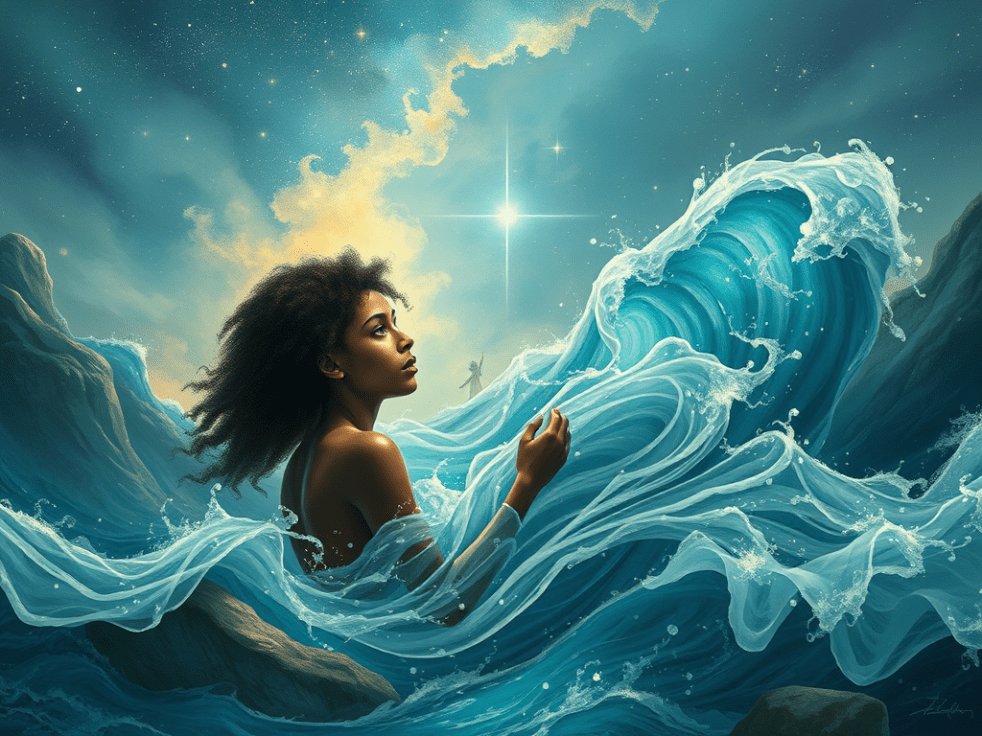
Maybe I’m Not Blocked. Maybe I’m Writing Something Else.

For a while now, I’ve been telling myself that I have writer’s block.

I have stories waiting for me. Characters whose lives I haven’t finished exploring. Fictional worlds I once stepped into so easily that sometimes it felt less like I was creating them and more like I was simply writing down what I saw.

But lately, when I sit down to return to those worlds, very little happens.

The ideas are still there. The desire to finish them is still there. But the words don’t come the way they used to.

And for someone who considers herself a writer, that can be incredibly frustrating.

There is a particular kind of pressure that comes with knowing you should be writing. You open the document. You reread the last few pages. You stare at the blinking cursor and wait for something—anything—to happen.

Sometimes it does.

Sometimes it doesn’t.

For months, I’ve been calling that writer’s block.

But recently, I started wondering if that description is entirely accurate.

Because the truth is, I have been writing.

Just not fiction.

The Words Went Somewhere Else

Lately, most of my writing has become much more personal.

I’ve been reflecting. Remembering. Examining experiences from different points in my life and trying to understand them from the perspective of the woman I am today.

I’m working on a personal writing project that I’m not quite ready to share much about yet. Some things need room to exist privately before they are introduced to the world.

But the process has made me realize something.

My words didn’t disappear.

They went somewhere else.

The creative part of me that normally wants to build characters, histories, families and entire worlds seems to be asking for something different right now. Instead of imagining someone else’s life, I’ve been looking more closely at my own.

And that requires a completely different kind of writing.

Fiction allows me to ask, What if?

Personal writing asks me, What happened? What did it mean? And what do I understand now that I couldn’t understand then?

Those questions have been taking up a lot of space lately.

Maybe there simply isn’t much room left for imaginary worlds right now.

I’m Learning Not to Force It

My first instinct was to fight the block.

I thought I needed more discipline. Maybe I needed a writing schedule. Maybe I needed to outline more. Maybe I needed to sit in front of the computer until the characters finally started talking to me again.

But creativity doesn’t always respond well to force.

Sometimes the harder I try to make myself write something, the further away the words seem to move.

So I’ve been trying something different.

I’ve been writing what wants to be written.

Right now, that happens to be personal.

That doesn’t mean I’m abandoning fiction. I still love the stories I’ve created, and I still intend to return to them.

But maybe I don’t need to drag myself back before I’m ready.

Maybe there are seasons in a writer’s life just like there are seasons everywhere else.

There are seasons for creating.

Seasons for imagining.

Seasons for observing.

Seasons for remembering.

And perhaps there are seasons when we need to understand our own stories before we can return to telling someone else’s.

Maybe Writer’s Block Isn’t Always a Block

I’ve started thinking differently about the phrase writer’s block.

We usually talk about it as though something has gone wrong—as though the creative machinery has stopped working and needs to be repaired.

But what if sometimes the problem isn’t that we’ve stopped creating?

What if our creativity has simply changed direction?

I thought I wasn’t writing because I wasn’t producing fiction.

Meanwhile, I’ve filled pages with thoughts, memories, questions and reflections.

That counts.

Blog posts count.

Journal entries count.

Half-finished paragraphs count.

The notes typed into a phone at an inconvenient hour because a thought suddenly appeared count.

Writing something that no one else may ever read counts.

Not every word has to become a book.

Not every creative season has to produce something we can point to and say, Look what I made.

Sometimes writing is simply how we make sense of ourselves.

I’m Still a Writer

I don’t know when my fictional characters will start talking to me again.

Maybe next week.

Maybe next month.

Maybe one morning I’ll wake up with a scene so clear in my mind that I’ll have to run to my computer before I lose it.

I hope so.

I miss them.

But I’m trying not to treat their silence as evidence that something is wrong with me as a writer.

For now, there are other words asking for my attention.

More personal ones.

And I think I’m finally willing to follow them wherever they need to go.

Maybe I’m experiencing writer’s block.

Or maybe I’ve been looking at it all wrong.

Maybe I’m not blocked at all.

Maybe I’m just writing something else.
Book Club

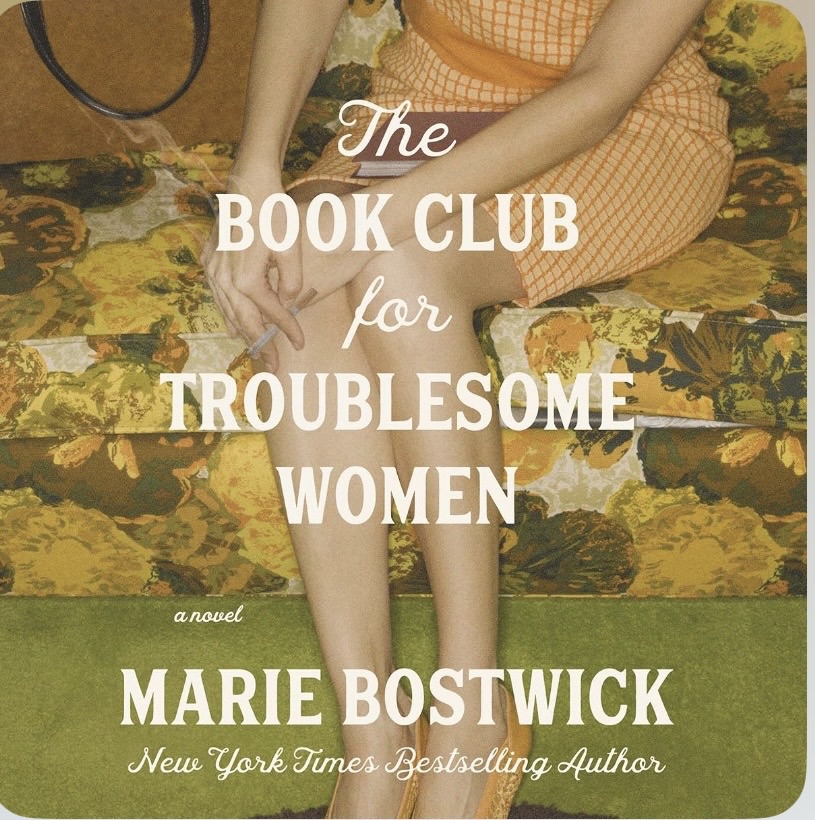
When a Book Stays With You: My Review of The Book Club for Troublesome Women

Every now and then, you finish a book and realize you’re not quite ready to leave its characters behind. Their stories linger in your thoughts, and you find yourself reflecting on them days after you’ve turned the final page.

That’s exactly how I felt after reading The Book Club for Troublesome Women.

Chosen as this month’s read for my ladies’ book club, this novel captured my attention from the very first chapter. More than a story about women gathering to read, it’s a heartfelt novel about friendship, courage, self-discovery, and the transformative power of finding your voice. It’s the kind of book that makes you pause, reflect, and appreciate the relationships that shape our lives.

Today, I’m sharing why this book earned a well-deserved five stars from me.

A Story That Resonated with Me

One of the things I loved most about this book was the way the author brought each woman to life. Their struggles, dreams, and relationships felt genuine, making it easy to become invested in their journeys. I found myself cheering them on as they challenged expectations, supported one another, and discovered strengths they didn’t always know they possessed.

While the novel is set in another time, the themes are timeless. We all long for meaningful friendships, the courage to be ourselves, and the freedom to pursue the life we envision. Those are the kinds of stories that stay with me long after I’ve finished reading.

More Than a Book Club

As someone who enjoys getting lost in a great book, I especially appreciated the way books served as a catalyst for connection throughout the story. It’s a wonderful reminder that reading is about so much more than turning pages. Books have a unique way of bringing people together, sparking conversations, and helping us see the world—and ourselves—from a different perspective.

That may be one of my favorite takeaways from this novel.

Why I Loved It

This book made me laugh, reflect, and appreciate the importance of having women in our lives who encourage us, challenge us, and remind us that we’re capable of more than we sometimes believe.

The writing was engaging, the pacing kept me interested, and I genuinely cared about what happened to the characters. By the final chapter, I wasn’t ready to say goodbye.

For me, that’s always the sign of a memorable book.

My Rating

⭐⭐⭐⭐⭐

This was an easy five-star read for me. If you enjoy stories centered on friendship, personal growth, historical fiction, and the enduring power of books, I highly recommend adding The Book Club for Troublesome Women to your reading list.

Let’s Talk Books

Have you read The Book Club for Troublesome Women?

If so, I’d love to hear your thoughts. Did you have a favorite character? Was there a moment that especially resonated with you? Leave a comment below and let’s continue the conversation.

And if you haven’t read it yet, I hope you’ll consider adding it to your next book club—or simply your own “to be read” stack.

Happy Reading,

Lulu

Book Club

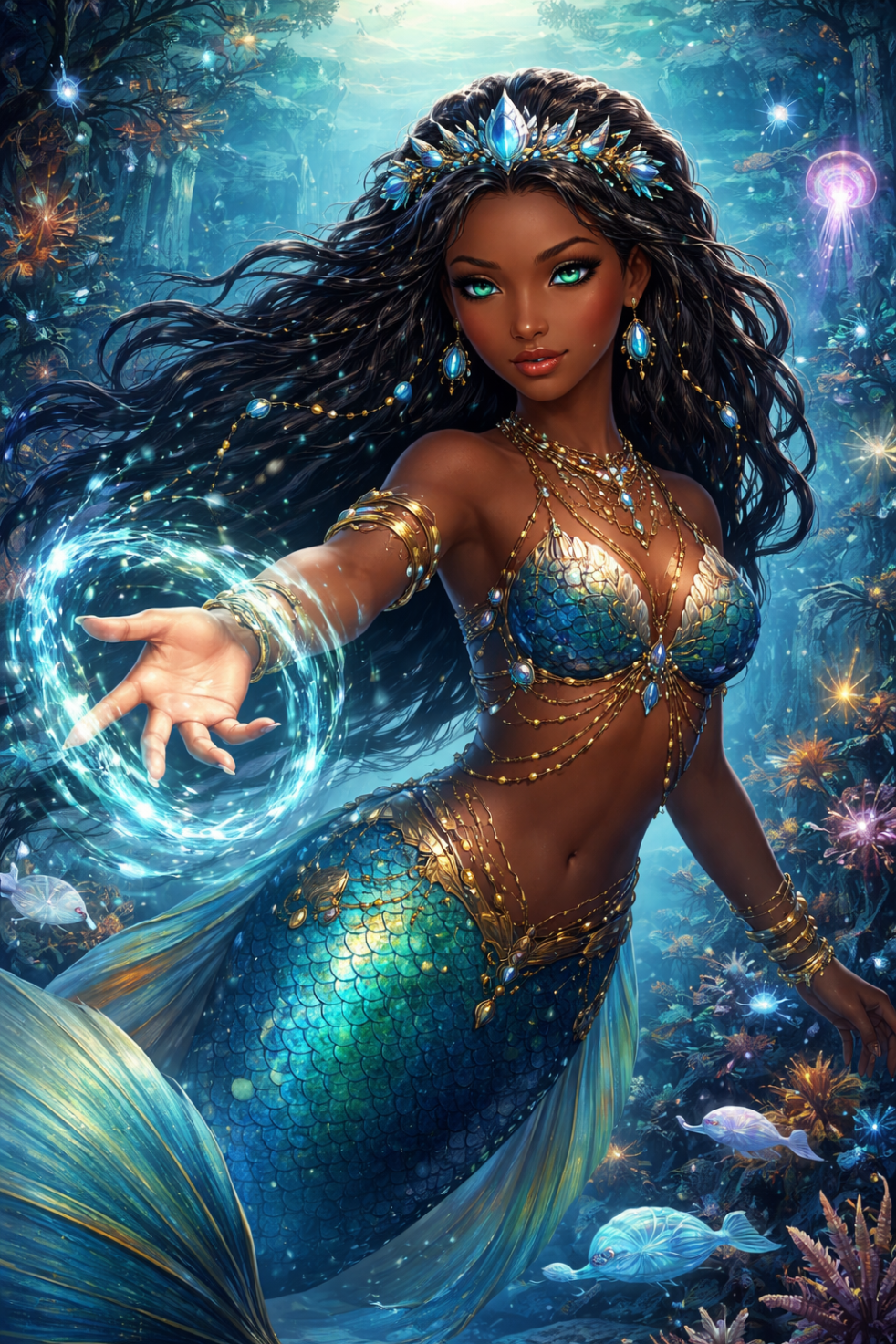
From Family Stories to Fiction: Reimagining Mami Wata in the Tidewalker Series

One of the most rewarding parts of writing the Tidewalker series has been discovering how deeply stories, family history, and culture are connected.

As I continue working on Book Two, I have found myself returning to the stories I heard as a child about Mami Wata. Long before I began writing fiction, I remember listening to my aunt share tales about this mysterious water spirit. Like many stories passed down through generations, there was often an element of fear woven into them. Mami Wata was powerful, beautiful, unpredictable, and not always understood. Some stories portrayed her as a blessing, while others warned that she could bring misfortune.

One story in particular stayed with me for years. My aunt believed that Mami Wata had somehow cursed our family line. Whether she meant this literally or symbolically, I cannot say. What I do know is that many families carry stories like these—stories that attempt to explain hardship, loss, unusual gifts, or events that seem larger than life.

As an adult and as a writer, I have begun to view these stories differently.

Rather than seeing a curse, I find myself asking another question:

What if it was a calling?

That question became one of the inspirations behind the Tidewalker series.

The Real Mami Wata

Mami Wata is one of the most well-known spiritual figures throughout West and Central Africa. Her name is often translated as “Mother Water,” and stories about her can be found across many cultures and countries. She is often depicted as a beautiful woman connected to rivers, oceans, wealth, healing, fertility, and spiritual power.

Like many ancient figures, Mami Wata is complex. She can represent both danger and blessing, temptation and transformation. Depending on the region and storyteller, her role changes. Some people view her as a protector. Others see her as a warning. Many traditions portray her as a bridge between the physical and spiritual worlds.

What fascinates me most is that Mami Wata is rarely simple. She exists in the space between certainty and mystery.

From Curse to Prophecy

As I developed the world of the Tidewalkers, I found myself moving away from the idea of a cursed bloodline.

Instead, I began imagining a family chosen for a purpose they did not fully understand.

In the story, N’Poreh’s family line is tied to an ancient prophecy that has been forgotten by most of the world. What many people interpret as misfortune, strangeness, or bad luck is actually the weight of a responsibility carried across generations.

The family is not being punished.

They are being prepared.

This shift changed everything for me.

A curse suggests hopelessness.

A prophecy suggests purpose.

A curse traps people in the past.

A prophecy calls them toward the future.

The more I thought about it, the more I realized this idea reflected something I have seen in real life. Families often inherit stories about what is wrong with them. We inherit narratives about failure, trauma, loss, or limitations. Yet sometimes those same experiences are preparing us to become something greater than we imagined.

A Personal Connection

While researching my own family history, I found myself thinking about my grandmother, M’Balu Sankoh, who was born in the Maforki region of Sierra Leone. I have spent time exploring the history of the area, learning about the Temne people, and tracing fragments of stories passed down through my family.

Like many people researching their ancestry, I have discovered that records often leave gaps. Names are forgotten. Villages change. Stories become fragmented over time.

Yet the stories remain.

Perhaps that is why storytelling matters so much.

Stories preserve what records cannot.

They carry memories, values, fears, hopes, and dreams across generations.

In many ways, the Tidewalker series has become my way of honoring those stories while imagining what might have been hidden between the lines.

Looking Ahead

As I continue writing Book Two, I am excited to explore the deeper connection between N’Poreh, Mami Wata, and the prophecy that binds both worlds together.

The story is becoming less about good versus evil and more about identity, destiny, sacrifice, and unity.

What if the things we fear most about our family history are not curses at all?

What if they are invitations?

What if the stories passed down through generations are not warnings about who we are destined to become—but reminders of who we have always been?

That question continues to guide me as I write.

And perhaps it is the question at the heart of the Tidewalker series itself.

Author’s Note

The Tidewalker series is inspired by West African folklore, family stories, and my ongoing exploration of Sierra Leonean history and culture. While the story is fictional, many of its themes—identity, belonging, ancestry, and healing—are deeply personal. As I continue researching my family’s roots and writing Book Two, I find myself increasingly grateful for the storytellers who came before me and preserved pieces of history that might otherwise have been lost.

Book Club

I’m Not Behind—My Life Is Just Full

Lately, I’ve been feeling like I’m falling behind.

Not because I don’t have ideas—but because I have too many.

My garden is growing, my recipe book is coming together, and somewhere in the middle of all of that… my Tidewalker series is waiting for me. Book Two is still sitting in the early stages of editing, quietly asking for my attention.

And for a moment, I thought that meant I was failing.

That I wasn’t focused enough.
That I needed to “get it together.”
That I was somehow dropping the ball on something that matters to me.

But the truth is… I’m not behind.

My life is just full.

Full of things I prayed for.
Full of things I once only dreamed about having the courage to start.
Full of growth—both the kind you can see, and the kind you can’t.

I’m learning that not everything is meant to move forward at the same time.

Some seasons are for planting.
Some are for building.
Some are for resting.
And some are simply for living in what you’ve already created.

Right now, my hands are in the soil. I’m learning, experimenting, and finding joy in growing something tangible. My kitchen has become a space of creativity again, where I’m building recipes that tell a story of their own.

And my writing?

It’s still there.

Waiting. Breathing. Becoming.

I haven’t abandoned it—I’m just not forcing it.

Because I’m starting to understand that forcing growth doesn’t make it happen faster. It just makes it harder to enjoy.

The Tidewalker series deserves my full presence, my imagination, and my care. And when I return to it, I don’t want to feel rushed or disconnected—I want to feel ready.

So instead of criticizing myself for not doing everything at once, I’m choosing something different.

I’m choosing to honor the season I’m in.

To trust that everything I’m building is still moving forward—even if it’s not all happening at the same time.

To remind myself that progress doesn’t always look like productivity.

Sometimes, it looks like tending to what’s right in front of you.

Sometimes, it looks like pausing without quitting.

And sometimes… it looks like giving yourself permission to simply be.

If you’ve been feeling like you’re behind lately, I want you to hear this:

You’re not behind either.

Your life might just be full too.

Book Club

Book Club Reflections: Reading The Book of Enoch While Writing Book Two

Lately my reading has taken a different direction.

Instead of picking up a modern novel or memoir, I’ve been spending time with The Book of Enoch while editing the second book in my Tidewalkers series, When the Sea Remembers.

It’s been fascinating, challenging, and honestly… a little disorienting in the best way.

But I’ll also admit something:
I’ve been feeling a bit stuck creatively.


When Creativity Slows Down

Editing a story can sometimes feel harder than writing the first draft.

When I was originally writing When the Sea Remembers, the ideas flowed naturally. The characters felt alive, and the world of the tidewalkers seemed to unfold on its own.

But editing requires something different. It asks you to slow down, question your choices, tighten the story, and sometimes step back when the creative energy isn’t there.

Lately, I’ve been wondering if the winter weather is part of it. The days are shorter, the skies are gray, and the creative spark feels quieter than usual.

I’m learning that sometimes creativity doesn’t disappear — it simply pauses.


Reading Ancient Texts While Building a Fantasy World

Reading The Book of Enoch while editing my story has been surprisingly inspiring.

Ancient texts like this remind me how long humans have been telling stories about the unseen world, spiritual mysteries, and forces that shape human life.

Even though my Tidewalkers series is fictional, those themes — mystery, the unknown, and the connection between different worlds — echo through many ancient traditions.

It reminds me that storytelling has always been a way for people to explore what they cannot fully explain.


The Importance of Creative Patience

One thing I’m learning as a writer is that creativity has seasons.

Some seasons are fast and exciting, where ideas pour out effortlessly.

Other seasons are quieter. They ask for reflection, reading, research, and patience.

Right now, I think I’m in one of those quieter seasons.

And maybe that’s not a bad thing.

Sometimes stepping back, reading deeply, and letting ideas simmer is exactly what a story needs before it can move forward.


Trusting the Process

The Tidewalkers world is still very much alive in my mind. Ezra, Neri, and the world beneath the sea are waiting for their story to continue.

For now, I’m reading, reflecting, and slowly working through the edits.

Stories have their own rhythm. And I’m learning to respect that rhythm instead of forcing it.

If you’re a writer or creative person, you probably know this feeling well.

Sometimes the best thing we can do is keep showing up — even when the words come slowly.

A Season of Spiritual Curiosity

Reading The Book of Enoch has also stirred something deeper in me — a quiet curiosity about spirituality, ancient traditions, and how people throughout history have tried to understand the unseen world.

When I immigrated to the United States as a young girl, much of my understanding of faith and religion came through very specific teachings and structured interpretations. As I’ve grown older, I’ve become more interested in exploring spiritual texts with fresh eyes and asking my own questions.

Not necessarily to find definitive answers, but to understand the bigger picture of how humans across cultures and generations have tried to make sense of existence, morality, mystery, and purpose.

That curiosity often finds its way into my writing.

The Tidewalkers world, while fictional, explores similar ideas — the existence of parallel worlds, unseen forces, and the delicate balance between human life and the natural world. Stories have always been a way for people to wrestle with questions that don’t have simple explanations.

Reading ancient texts like The Book of Enoch reminds me that storytelling and spiritual exploration have always been closely connected.

Both invite us to imagine beyond what we can immediately see.

And maybe that’s part of why this season of slower creativity doesn’t feel entirely frustrating. It feels more like a period of reflection — a time to read deeply, think carefully, and allow new ideas to take shape beneath the surface.

Just like seeds waiting underground before they begin to grow.


A Quiet Glimpse of What’s Coming

As I continue editing When the Sea Remembers, the second book in the Tidewalkers series, I’m slowly rediscovering the depth of the world I began building in the first book. Ezra and Neri’s story is far from finished, and the tides that connect their two worlds are becoming more complicated than either of them expected. There are choices ahead that will test loyalty, courage, and the fragile balance between land and sea. For now, the story is still taking shape beneath the surface — but I can already feel that the next chapter of their journey will carry them into deeper waters.

Book Club

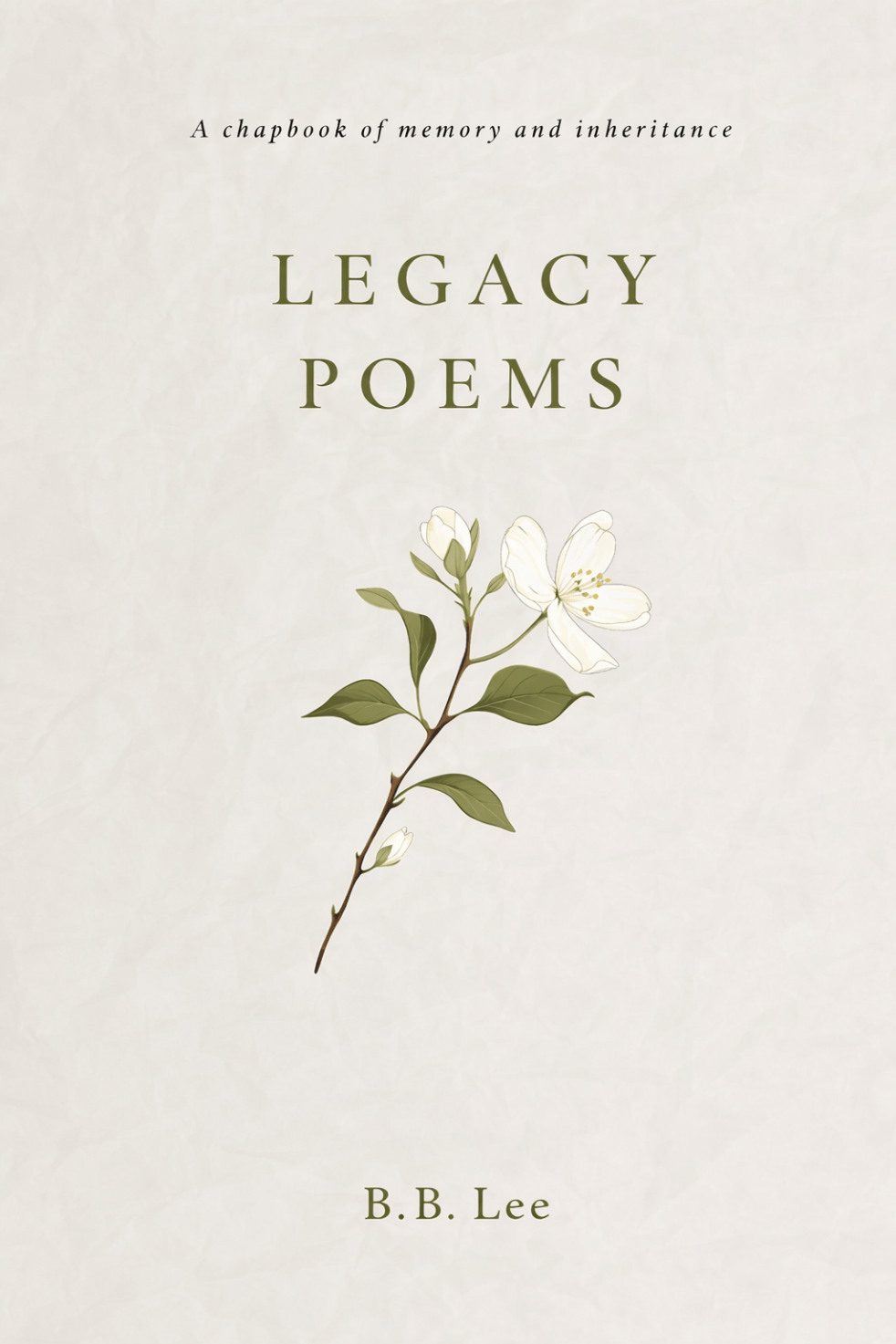
Book Club Update: Introducing Legacy

This month’s Book Club post is a little different. Instead of reflecting on a book I’ve read, I’m sharing a book I’ve written.

My latest chapbook, Legacy: A Collection of Poems, grew out of a long, quiet process of learning, unlearning, and sitting with uncomfortable truths. It reflects my discovery of the African American experience after immigrating to the United States as a preteen in the early 1990s—and how learning about the transatlantic slave trade reshaped the way I see history, identity, and my place in the world today.

If you’d like to read Legacy, it’s available here:
👉 https://www.amazon.com/dp/B0GM7KDDDV


Coming to the U.S. and Learning What I Didn’t Know

When I arrived in the United States, I came with my own sense of self, culture, and history. Like many immigrants, I was focused on adapting—learning how to belong, how to succeed, how to survive in a new place. What I didn’t yet understand was how deeply history lived beneath everyday life here.

It wasn’t until later—through school, conversations, reading, and lived experience—that I began to truly grasp the scope and brutality of the slave trade and its lasting impact on African Americans. That knowledge didn’t arrive all at once. It unfolded slowly, and with it came grief, anger, confusion, and a profound shift in my worldview.

Legacy was born from that reckoning.


What Legacy Holds

This chapbook is not an attempt to speak for anyone. It is a record of how learning this history changed me—how it complicated my understanding of freedom, resilience, inheritance, and responsibility.

The poems explore:

  • the weight of historical truth
  • the distance and connection between African and African American experiences
  • what it means to arrive somewhere without fully knowing its past
  • how knowledge reshapes identity
  • and how history continues to echo through the present

Writing these poems required me to slow down and listen—to history, to voices that came before me, and to my own evolving understanding.


Why This Book Matters to Me Now

Legacy represents a turning point in my writing. It’s where reflection met accountability. Where curiosity met responsibility. Where I stopped looking away from discomfort and allowed it to inform how I move through the world.

This book is about inheritance—not just of trauma, but of truth. And about what we do once we know better.


A Quiet Invitation

I’m sharing Legacy here because this Book Club space has always been about reflection and growth. If you choose to read it, I hope it invites you to pause, to consider history more closely, and to reflect on how knowledge shapes compassion.

Some books entertain.
Some educate.
And some simply ask us to sit with what we’ve learned.

Legacy is that kind of book for me.

Book Club

December Book Club: Saying “Yes” to Courage, Creativity, and Growth

This month, I’ve been deep into Year of Yes by Shonda Rhimes — and let me tell you, this book could not have arrived at a better time. It’s honest, funny, bold, and full of the kind of energy that nudges you out of your comfort zone in the best way possible.

I’m almost done with it as this post goes live, and I already know it’s one of those books I’ll revisit whenever I need a reminder to choose myself, to stretch, to be brave, and to embrace opportunities even when they feel intimidating. Shonda writes with a voice that feels familiar — like a friend sitting across from you telling the truth you’ve been avoiding. And this month, I needed that voice.


Interested in Reading Along?

If you’re interested in reading along with me, here are the versions I recommend:


What “Yes” Has Meant for Me This Month

Reading Year of Yes during the holiday season has felt surprisingly grounding. It’s pushed me to think about what I want next, what I’m afraid of, and where I’ve been shrinking myself out of habit rather than choice.

And it’s reminded me how important it is to say “yes” to the things that bring me joy — including my writing.

Which brings me to the second half of this month’s update…


Tidewalker Series Update: Book Two Is Taking Shape

Book Two has been a steady work in progress these last few weeks, and Year of Yes has absolutely inspired the way I’m approaching the deeper emotional layers of this story.

Here’s what I’ve been working on:

🔹 Tweaking Ezra’s Internal Conflicts

Ezra is growing, stepping into responsibility, and feeling torn between his father’s expectations, his own dreams, and the love he shares with Neri. I’ve been sharpening the moments where he questions himself, struggles to find balance, or wants to belong in both worlds. His emotional journey is becoming richer and more nuanced.

🔹 Deepening Grandmother Fatu’s Backstory

Her presence is becoming more powerful. I’ve been exploring:

  • how she shaped Ezra’s childhood,
  • her connection to the tidewalker world,
  • the truth behind the shell she gave him,
  • and how her story ties both worlds together in ways Ezra is only beginning to understand.

🔹 Building Tension Between the Two Worlds

This has been one of my favorite parts to develop. The differences and misunderstandings between Neri’s world and Ezra’s — the traditions, expectations, and pressures — are all becoming clearer and more dramatic. This tension will shape much of Book Two’s conflict.


What’s Coming in Early 2026

Writing this book feels like saying “yes” to myself — yes to imagination, yes to creativity, yes to finishing something that matters deeply to me.

In early 2026, I’ll be sharing:

  • sneak peeks of new characters,
  • more world-building details,
  • and updates as the story evolves and the two worlds collide.

If December has taught me anything, it’s that growth happens when we stop waiting for fear to settle — and move forward anyway.

Book Club

Empowering Children Through Literature

I have always loved reading, my grandmother taught me to read before I started grade school. She was big on education and that is probably because she was not formally educated. She learned to read and write after she married my grandfather. She fell in love with learning and did her best to share that with me. I believe the first book I read was “My Book of Bible Stories”…this is a book published by the Jehovah’s Witnesses’ Organization. I was raised in the organization and was a practicing member up till about 2020. I left for personal reasons but I learned a lot about the importance of using critical thinking skills. My critical thinking skills were sharpen because of the books I was exposed to in my formative years.

One of the most formative books I read was “Their Eyes Were Watching God” By Zora Neale Hurston. The writing style was done in a conversational manner and it was raw in nature. Ms. Hurston use of colloquial dialect and standard English was unique and this was seen as controversial by some. The main character, Janine was strong and independent. She was not afraid to challenge the status quo. For a black woman in those days, this was considered a taboo.

I fell in love with this book in my senior year of high school. This also the book that led to me taking a break from writing regularly. My English teacher, assigned this book and we were also asked to complete an in class essay. I was her student teaching assistant that year. I took that role very seriously and I helped my peers who struggled with understanding some of the dialogue. I took pride in helping my peers while also working on my essay during class. It was one of my favorite experiences in high school. Everything changed when that same teacher accused me of cheating on the essay. She had asked me to be her teaching assistant. She accused me despite the essay being done in class. I never took it home with me. She reported me to the principal for cheating and was going to give me an F for the assignment. Thankfully, though my mom fought with me to get the grade I had earned.

The principal sided with me and my mom and I was given the grade I deserved. When asked why she believed I cheated. My English teacher noted that she did not believe I was smart enough. She doubted a girl like me understood the nuances of the material. Because I was an ESOL student, she did not believe I truly understood English. She assumed I must have copied my analysis from an outside source. That incident shock my confidence and for years I shied away from writing for fun. It took years of work on my self esteem for me to feel safe again as a writer.

I decided to share this. Educators must remember the type of influence they have on the students. This influence extends to both the classrooms and school hallways. I still love reading and I have passed the baton to my children. They all love reading and writing. We once had a family book club. It was a wonderful time for us as a family.

Reading is not only fun, it is a necessity that we must keep encouraging. Below, is a list of books I have read and shared with my kids.

Othello, Their Eyes Were Watching God, The Gift, Midnight Library, The Bible, The Stranger, The Contender. A Streetcar Named Desire, The Great Gatsby, and The Glass Menagerie.

The above list is simply a small sample of books I have read and enjoyed. I have a much longer list. My children are into fantasy books, historical fiction novels, and non-fictional novels. We love to have discussions about the themes of books we have read.