Recipes

Meal Prep That Keeps Me on Track: My Go-To Quinoa Bowls

One thing I have learned about trying to maintain healthier habits is that good intentions only get me so far. When life gets busyโ€”and especially when I am working long shiftsโ€”it becomes much harder to make thoughtful decisions about what I am going to eat.

That is where meal prep has become incredibly helpful for me.

Preparing some of my meals ahead of time saves me time during the workweek, helps me spend less money on food while I am out, and, most importantly, makes it easier for me to stay on track with my health goals. Instead of waiting until I am tired and hungry to figure out what to eat, I already have something nourishing waiting for me.

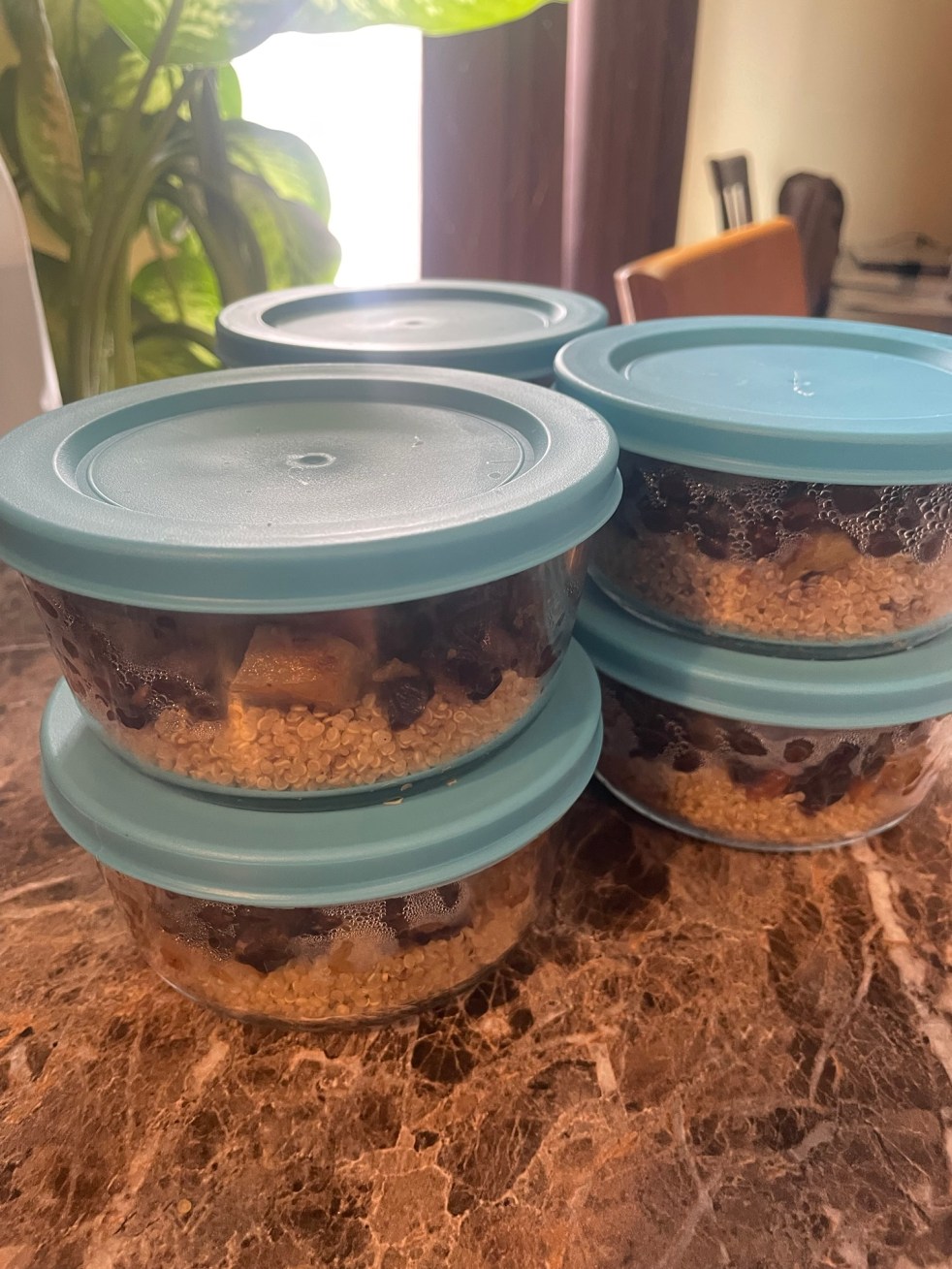
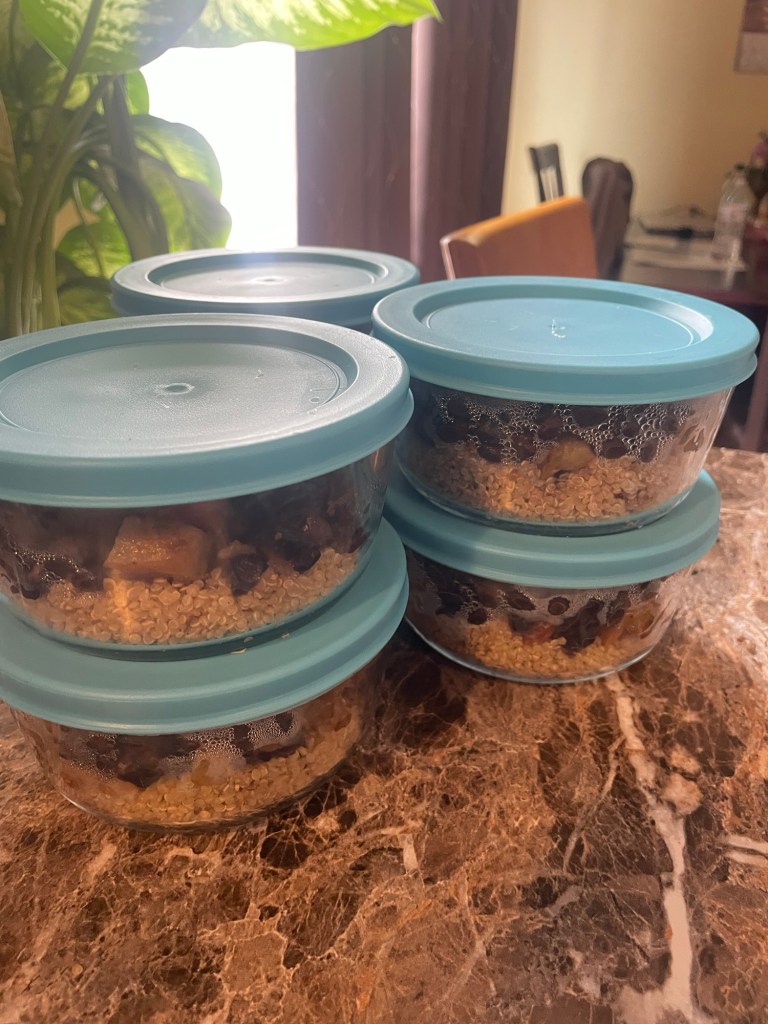
Lately, one of my favorite meals to take to work has been these quinoa bowls.

They aren’t complicated or particularly fancy. They’re simply a combination of foods I enjoy: seasoned quinoa, roasted sweet potato, black beans, edamame, stewed peppers and onions, and a slightly sweet and tangy tahini dressing.

The result is colorful, filling, plant-forward, and surprisingly satisfying.

Cooking Without Measuring Everything
If you have followed my cooking for a while, you probably already know that I don’t always measure my seasonings.

I cook by tasting, smelling, looking, and adjusting as I go. A little more garlic here. A sprinkle of nutritional yeast there. Maybe a little more seasoning if something needs it.

That’s how I made these bowls.

So while I have included measurements where I remember them, consider this recipe a starting point rather than a strict formula. Taste your food as you cook and make it your own.

My Meal-Prep Quinoa Bowls

For the Bowls

  • 1 very large sweet potato, peeled if desired and cubed
  • Quinoa, rinsed and cooked according to package directions
  • 1 can black beans, drained and rinsed
  • Edamame, cooked according to package directions
  • Bell peppers, sliced
  • Onion, sliced
  • Fresh ginger, grated or minced
  • Fresh garlic, grated
  • Seasoned salt, to taste
  • Turmeric, to taste
  • Nutritional yeast, to taste
  • Oil, as needed

Roast the Sweet Potato

Preheat the oven to 400ยฐF.

Toss the cubed sweet potato with a little oil, seasoned salt, grated garlic, turmeric, and nutritional yeast.

Spread the cubes in a single layer on a baking sheet and roast for approximately 25โ€“35 minutes, turning them about halfway through cooking. The sweet potatoes are ready when they are tender inside and beginning to brown around the edges.

Prepare the Quinoa

Rinse the quinoa thoroughly before cooking.

Cook according to the package directions, adding seasoned salt, garlic, turmeric, and nutritional yeast to give the quinoa some flavor as it cooks.

Once the quinoa is tender and the liquid has been absorbed, fluff it with a fork and adjust the seasoning to taste.

Season the Black Beans

Drain and rinse the black beans.

Warm them with seasoned salt, garlic, turmeric, nutritional yeast, and a small amount of oil if desired. You don’t need to do much to themโ€”the goal is simply to make sure every part of the bowl has flavor.

Make the Pepper and Onion Mixture

Add a small amount of oil to a pan and cook the sliced bell peppers and onions with fresh ginger and garlic.

Season with seasoned salt, turmeric, and nutritional yeast.

Allow the vegetables to cook until they are tender and flavorful while still retaining some texture.

Prepare the Edamame

Cook the edamame according to the package directions and set aside for assembling the bowls.

Maple-Ginger Tahini Dressing

This might be my favorite part.

The tahini makes the dressing creamy, apple cider vinegar adds some acidity, maple syrup gives it just enough sweetness, and the ginger and red pepper flakes add warmth.

Ingredients

  • 2 tablespoons tahini
  • 2 teaspoons apple cider vinegar
  • 1 teaspoon maple syrup
  • Seasoned salt, to taste
  • Ginger powder, to taste
  • Red pepper flakes, to taste
  • A dash of turmeric
  • Water, as needed

Make the Dressing

Whisk together the tahini, apple cider vinegar, maple syrup, seasoned salt, ginger powder, red pepper flakes, and turmeric.

Add water a little at a time, whisking after each addition, until the dressing reaches a smooth, pourable consistency.

Taste it.

If it needs more sweetness, add a little maple syrup. If you want more tang, add another splash of apple cider vinegar. If you like some heat, don’t be afraid of those red pepper flakes.

Putting the Bowls Together

Divide the quinoa among your meal-prep containers and add portions of roasted sweet potato, black beans, edamame, and the pepper-and-onion mixture.

I prefer to keep the tahini dressing separate and drizzle it over the bowl when I am ready to eat.

And that’s it.

Several components require a little preparation, but they can all be cooking around the same time. Once everything is finished, I have meals ready to grab before heading to work.

Make It Your Own

One of the things I love most about meals like this is that you don’t really need to follow the same recipe every week.

Think of the quinoa bowl as a framework.

Use chickpeas instead of black beans. Swap quinoa for brown or wild rice. Roast whatever vegetables you already have in the refrigerator. Add greens. Change the peppers. Toss in vegetables from the garden when they’re in season.

You can build the bowl around what you have.

That also makes meals like this a good way to use food before it goes to waste.

Making the Healthy Choice the Easy Choice

I am learning that taking care of myself doesn’t always have to involve making some enormous change.

Sometimes it looks like spending a little time preparing food before the workweek begins.

Meal prepping doesn’t guarantee that I will eat perfectlyโ€”and I’m not trying to eat perfectly. It simply removes one decision from an already busy day.

When I’m tired, hungry, or rushing to get ready for work, I don’t have to rely on willpower. I can open the refrigerator, grab something I already prepared, and know that I am giving my body a meal that will actually nourish me.

For me, that is what sustainable healthy eating is beginning to look like.

Not perfection.

Preparation.

And a really good quinoa bowl doesn’t hurt either.
Gardening · Gardening

A Change of Plans Turned Into a Productive Morning

Some mornings donโ€™t unfold the way we expect.

Earlier in the week, I woke up later than planned and missed a group run. For a moment, I was disappointed. I had been looking forward to spending the morning with fellow runners, but once I realized I had missed the opportunity, I decided to shift my focus instead of dwelling on what I couldnโ€™t change.

I picked up my gardening supplies rather than my running shoes and headed outside.

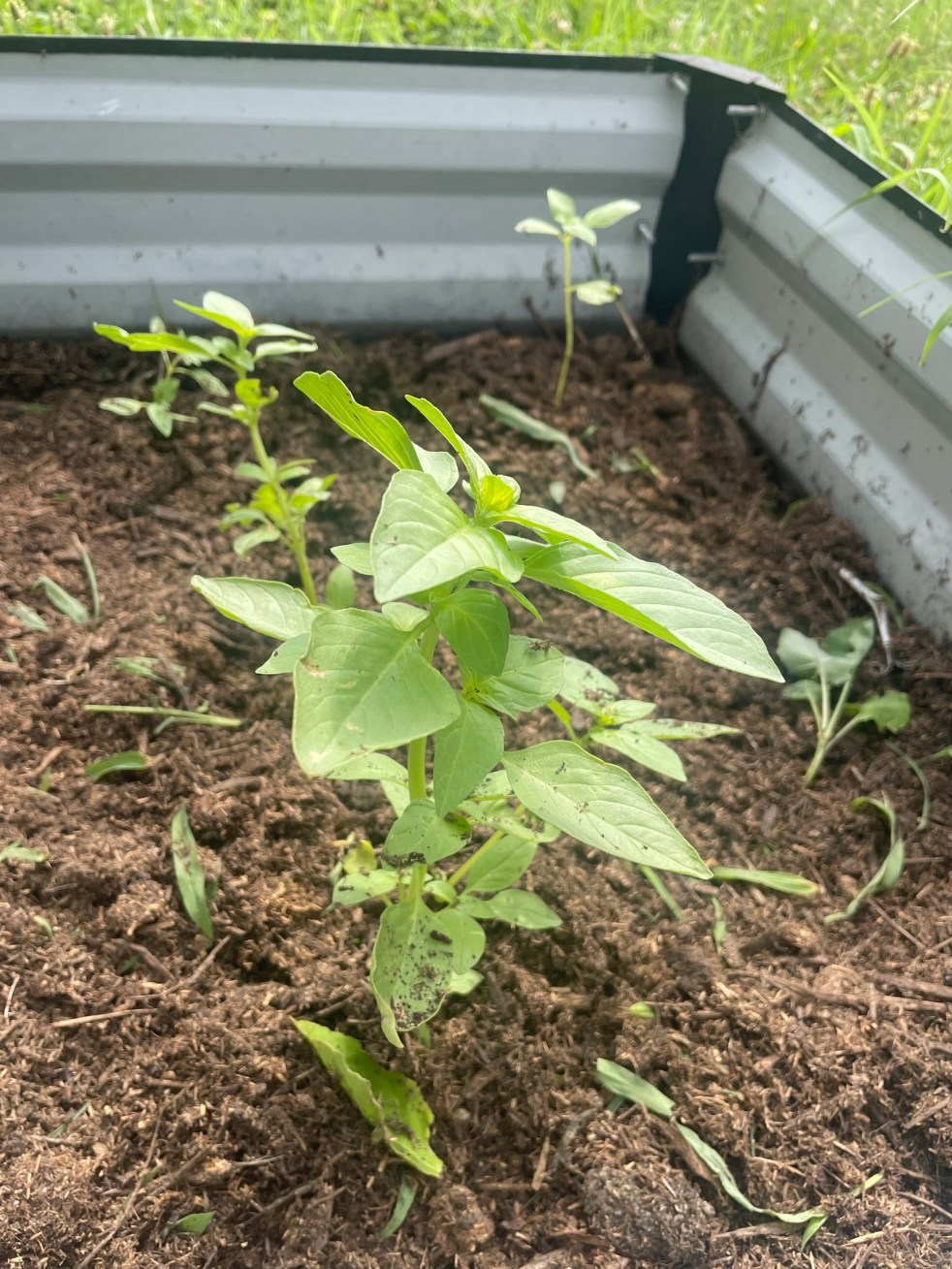
What started as an unexpected change of plans turned into one of my most productive mornings in the garden. I spent several hours pulling weeds, pruning my vegetable plants, and harvesting fresh produce. By the time I finished, I had cleared weeds from two and a half raised beds and prepared half of another bed for cabbage, which I plan to sow after todayโ€™s run with my running buddies.

Unfortunately, I didnโ€™t think to take any โ€œbeforeโ€ pictures. I was so eager to get started that I forgot to document where everything began. Instead, I have the โ€œafterโ€ photosโ€”a clean garden, healthy plants, and a reminder that progress is still worth celebrating, even if you donโ€™t capture every step of the journey.

Gardening has a way of teaching the same lessons over and over again. We canโ€™t control every circumstance, but we can choose how we respond. Yesterday reminded me that a missed opportunity doesnโ€™t have to become a wasted day. Sometimes life redirects us exactly where we need to be.

The weeds are gone, the vegetables have a little more room to thrive, and another bed is ready for the next seasonโ€™s crop. Iโ€™d call that a successful morning.

๐ŸŒฟ Harvest of the Day

Not every productive day begins with the plan we had in mind. Sometimes the most meaningful progress happens when weโ€™re willing to embrace change, adjust our expectations, and bloom wherever the day takes us.

Gardening · Gardening

From My Garden to My Grandmotherโ€™s Kitchen

A Plant-Based Sweet Potato Leaf Stew Inspired by Sierra Leone

One of my favorite things about gardening is watching memories grow alongside the vegetables.

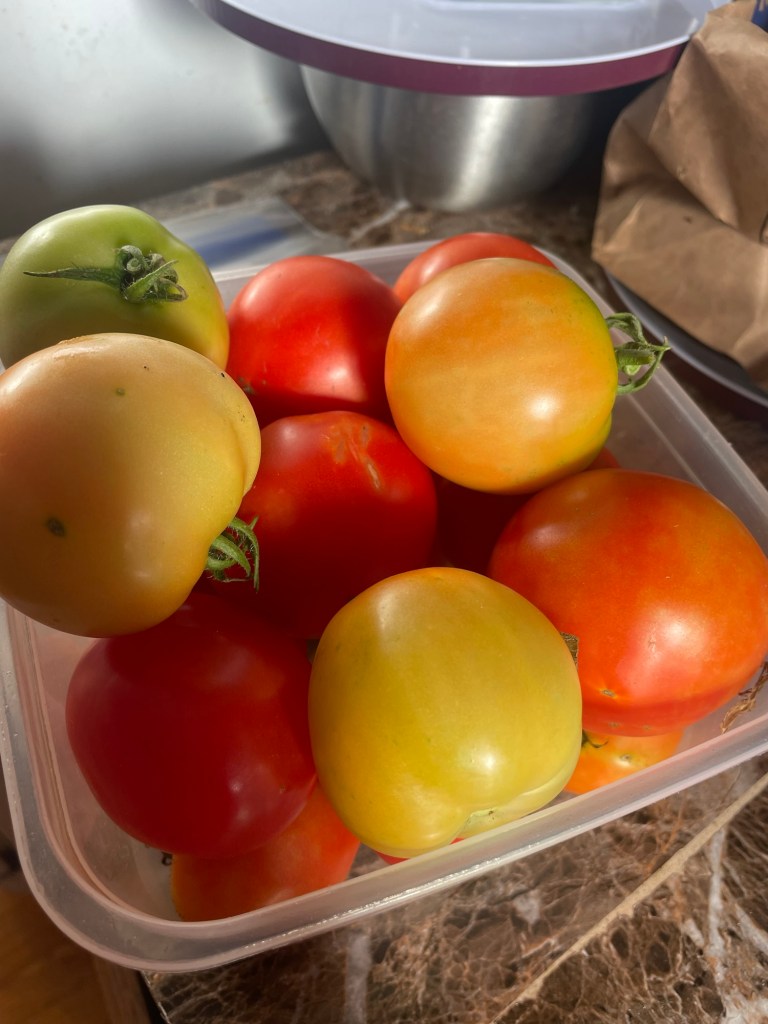
This week, I harvested tomatoes and sweet potato leaves from my garden, and as I carried them into the kitchen, I couldnโ€™t help but think of my grandmother.

Sweet potato leaf stew was one of those meals that brought our family together. Growing up, it was often prepared with meat or fish, just as it is in many Sierra Leonean households. The aroma alone could fill the house and let everyone know dinner was almost ready.

Today, I still make that same stewโ€”but with a few twists of my own.

Over the years, my diet has become mostly plant-based, so instead of meat, I use extra-firm tofu. It adds a satisfying texture while allowing me to honor the flavors I grew up with in a way that fits my lifestyle today.

Every time I make this dish, it feels like Iโ€™m bringing a little piece of my grandmotherโ€™s kitchen into my own.

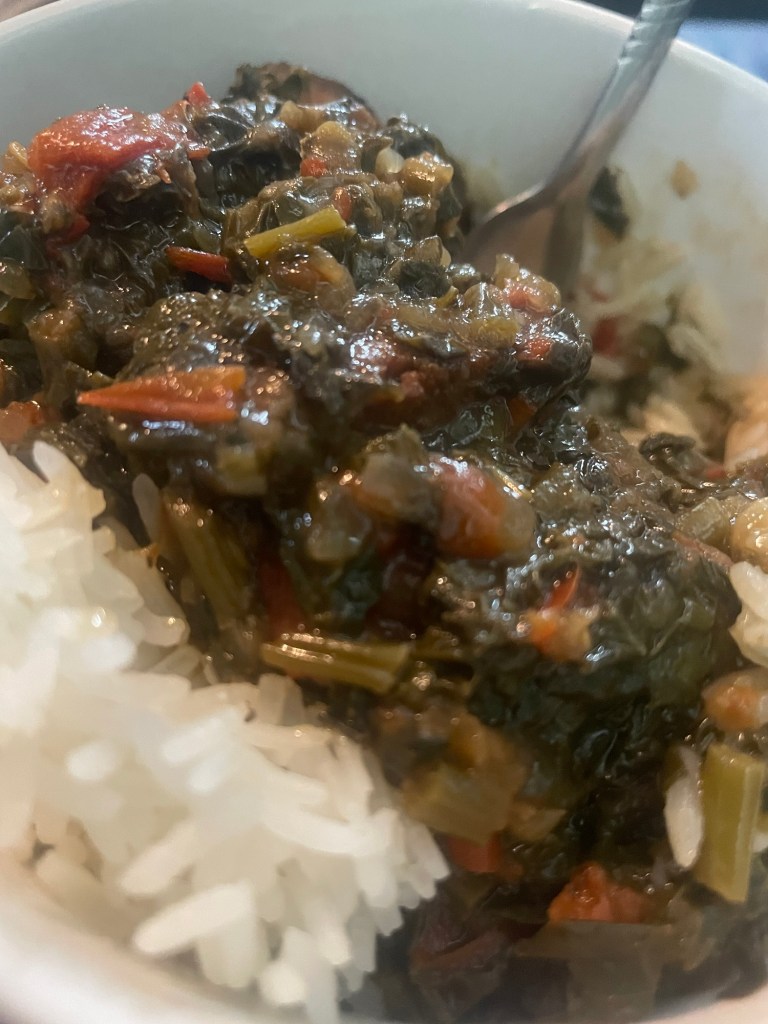
Garden-to-Table Sweet Potato Leaf Stew

Ingredients

For the stew

  • About 6 cups chopped sweet potato leaves
  • 1 block extra-firm tofu, thawed, pressed, seasoned, and fried
  • 5 medium garden tomatoes
  • 2 yellow onions
  • 2 medium bell peppers
  • Oil for frying

Seasonings

  • Hot pepper flakes (to taste)
  • 1 tablespoon grated fresh ginger
  • 3โ€“4 cloves garlic, minced or grated
  • Seasoned salt (to taste)
  • 1 teaspoon turmeric
  • 2 tablespoons nutritional yeast

To Serve

  • Cooked jasmine rice

Directions

  1. Preheat your oven to 350ยฐF.
  2. Score the tomatoes with a shallow โ€œXโ€ on the bottom of each one and bake for about 10 minutes, until the skins begin to loosen. Remove them from the oven, peel away the skins, and blend or mash the tomatoes into a smooth sauce.
  3. While the tomatoes are roasting, season the tofu to your liking and fry until golden on all sides. Set aside.
  4. Blend the onions and bell peppers together in a food processor until smooth.
  5. Pour the vegetable mixture into the hot oil and cook for about 10 minutes, stirring occasionally.
  6. Add the hot pepper flakes, grated ginger, garlic, seasoned salt, turmeric, and nutritional yeast. Continue cooking for another 5 minutes, allowing the spices to bloom and become fragrant.
  7. Stir in the fresh tomato sauce.
  8. Add the chopped sweet potato leaves, reduce the heat, and cook for about 10 minutes, stirring occasionally.
  9. Taste the stew and adjust the seasonings as needed.
  10. Gently fold in the fried tofu and simmer for another 10โ€“15 minutes, allowing all of the flavors to come together.
  11. Serve over warm jasmine rice.

A Meal That Gets Better With Time

Like many stews, this one tasted even better the next day.

The flavors had more time to develop, making every bite richer than the last.

Itโ€™s one of those meals thatโ€™s perfect for meal prep because tomorrowโ€™s lunch might be even better than tonightโ€™s dinner.

More Than a Recipe

As I stood in my kitchen cooking this meal, I realized that gardening has become about so much more than growing food.

Itโ€™s about preserving traditions.

Itโ€™s about remembering the people who taught us to cook long before recipes were written down.

Itโ€™s about taking something familiar and making it your own without losing the heart of where it came from.

My grandmother may not have made sweet potato leaf stew with tofu, but I like to think sheโ€™d appreciate that the spirit of her cooking still lives on.

Every harvest reminds me that traditions donโ€™t have to stay frozen in time.

They can continue to growโ€”just like the gardens we tend.

โค๏ธ Happy cooking,
Lulu

Gardening

Building a Backyard Food Forest One Harvest at a Time

When I first started gardening, my goal was simple: grow some of my own food.

Over time, that vision has expanded. What began as a few vegetables has slowly evolved into something much biggerโ€”a small backyard ecosystem filled with food, flowers, pollinators, and the promise of future harvests.

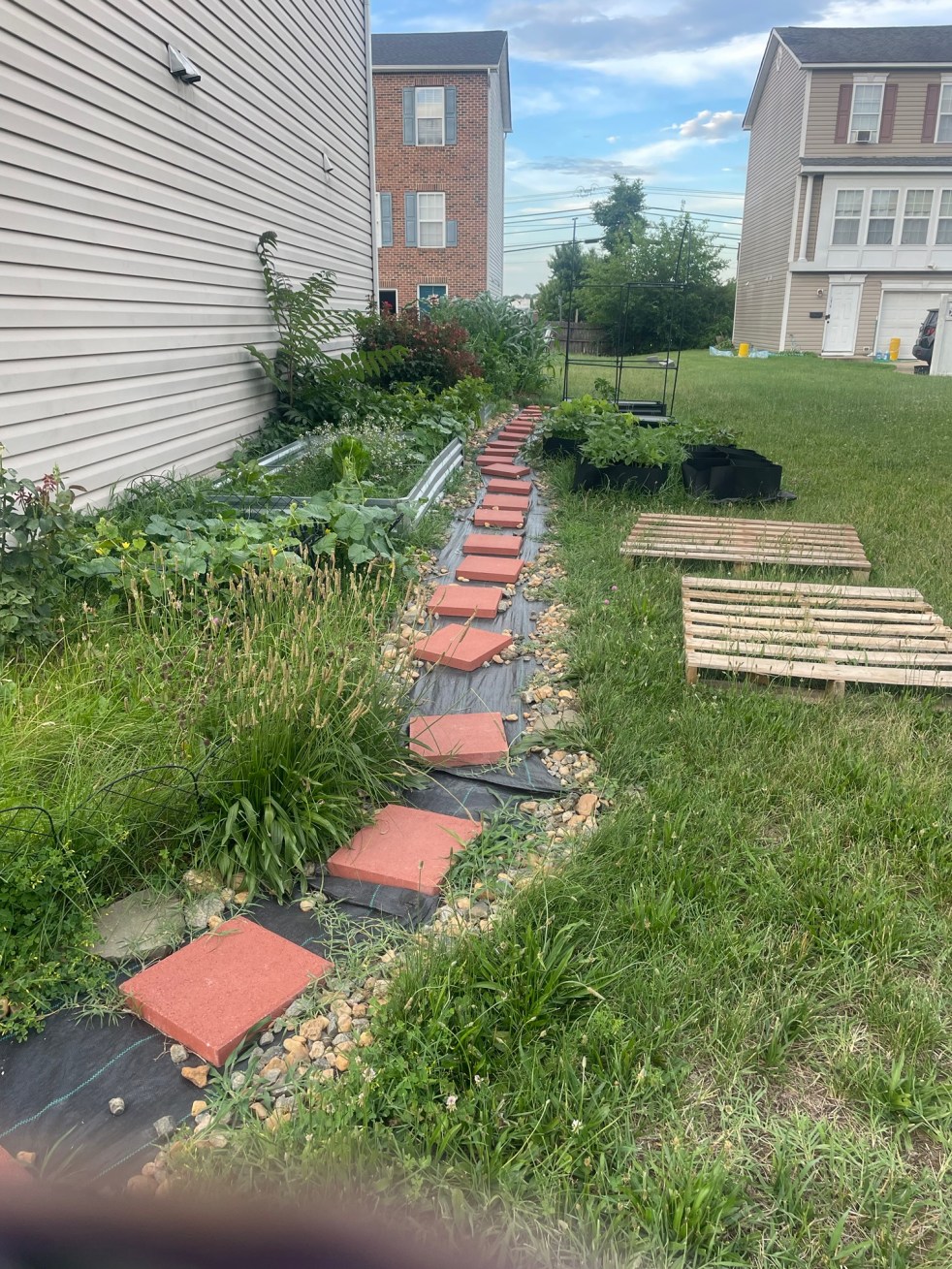
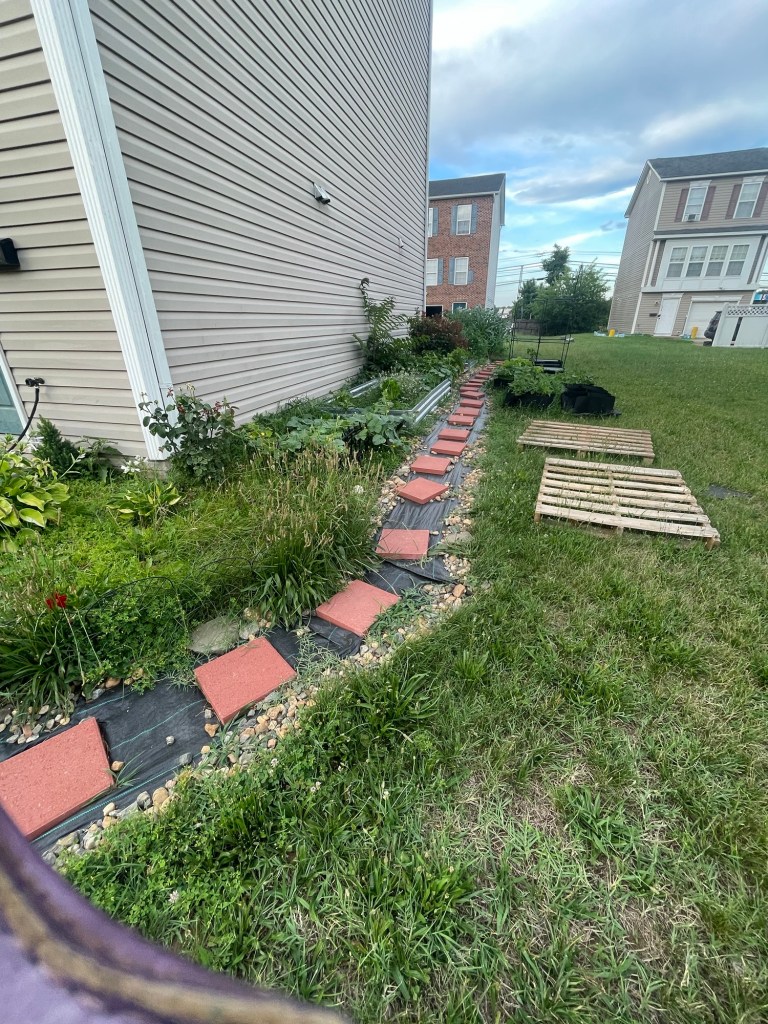
This week, I spent some time walking through the garden and reflecting on how much progress has been made. Looking at the pathway, the raised beds, and the growing plants, I can finally begin to see the vision coming together.

Harvesting From the Garden

One of the greatest joys of gardening is bringing fresh food directly from the garden to the kitchen.

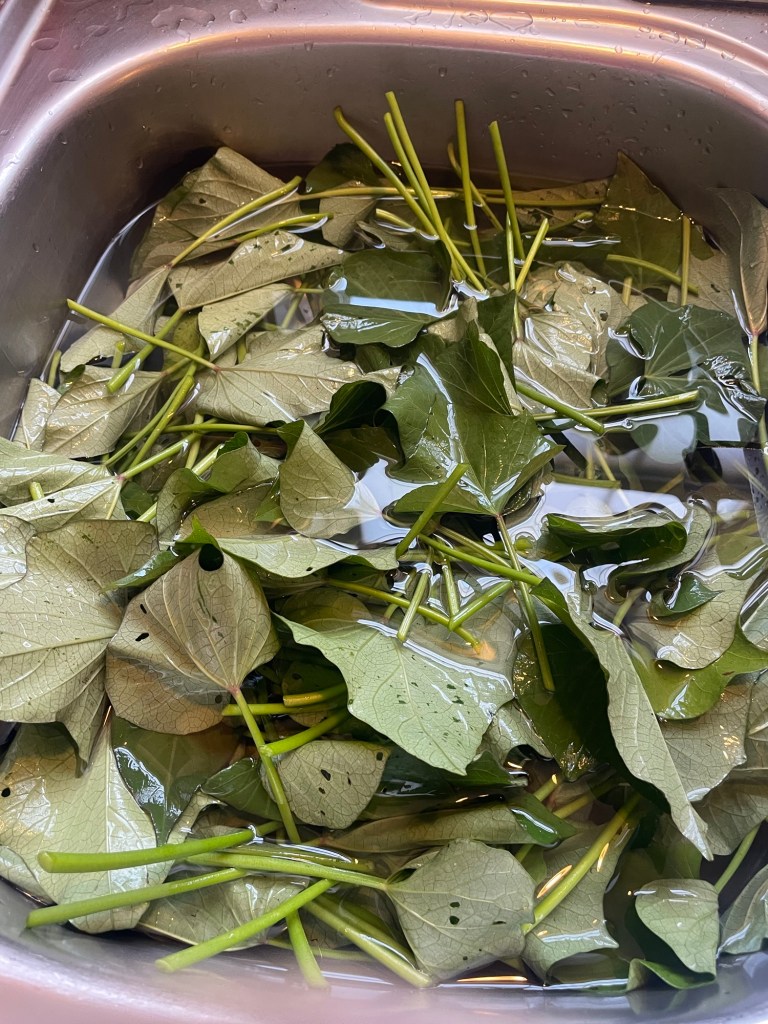
Recently, I harvested sweet potato greens and used them in meals for my family. Sweet potato leaves are one of my favorite garden crops because they are nutritious, productive, and often overlooked by many gardeners.

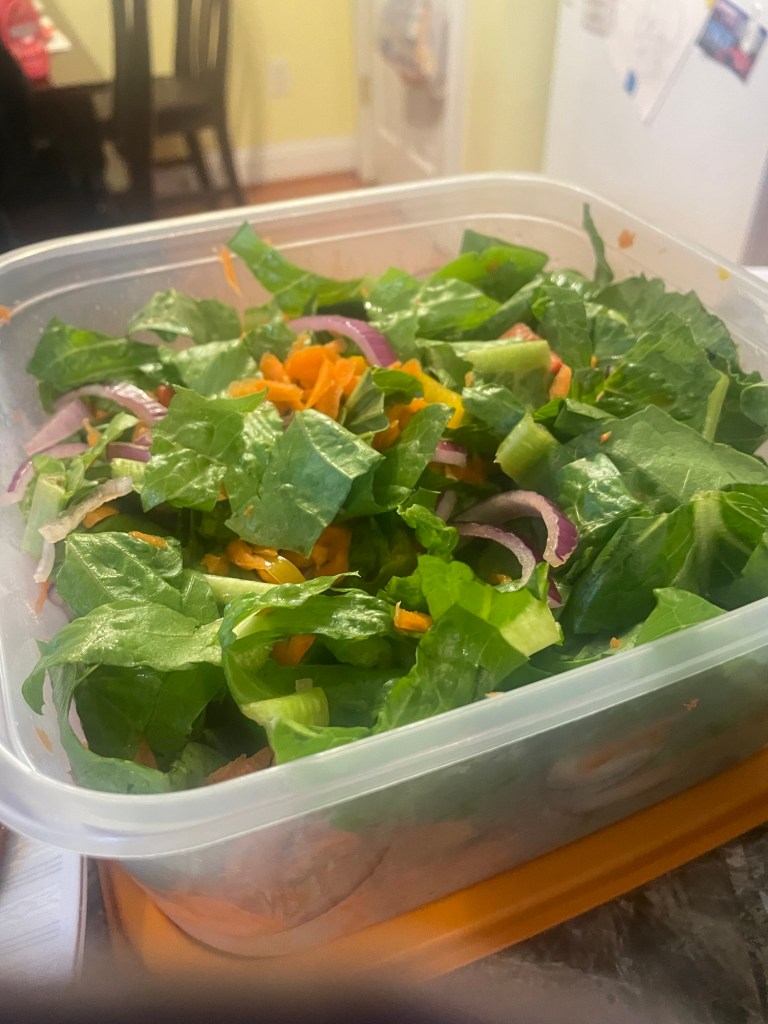
I also harvested fresh greens that became a colorful salad filled with garden-fresh ingredients. There is something incredibly satisfying about preparing food that was growing just a few feet from your back door only hours earlier.

Every harvest, no matter how small, feels like a victory.

Before making their way to the table, the sweet potato leaves were carefully washed and prepared. One thing I love about growing food is reconnecting with the process from garden to plate.

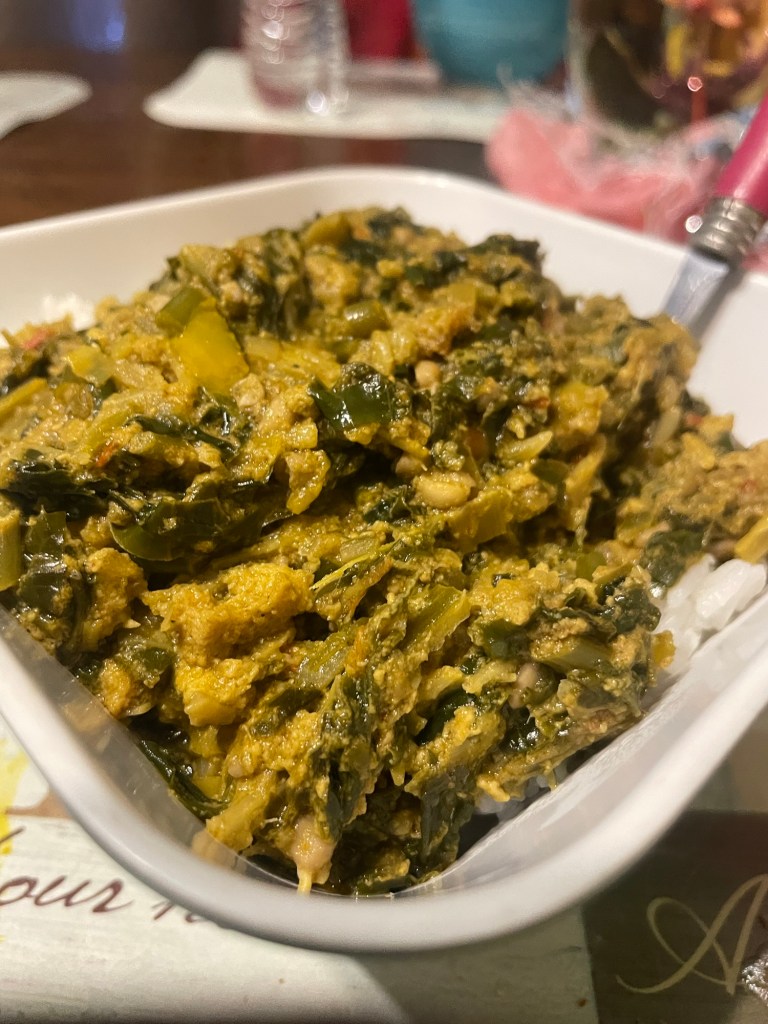
The finished dish was simple, nutritious, and made almost entirely from ingredients grown at home.

Whatโ€™s Thriving

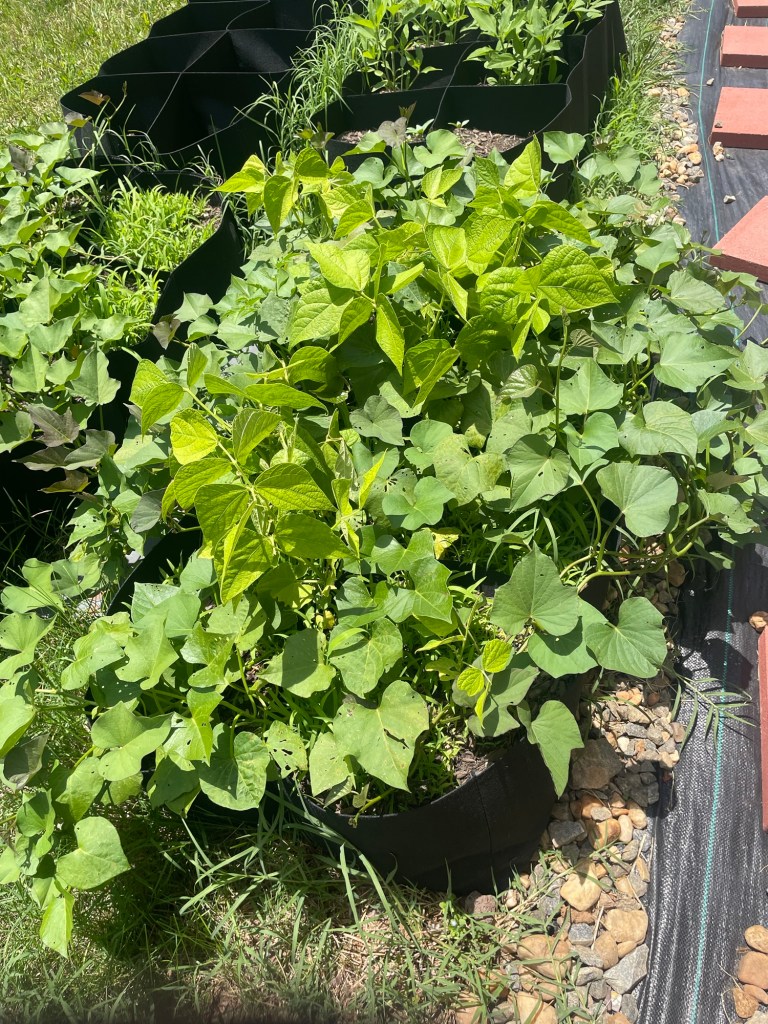
The sweet potatoes have completely taken off this season. Their vines are lush, vigorous, and filling the grow bags with beautiful green growth.

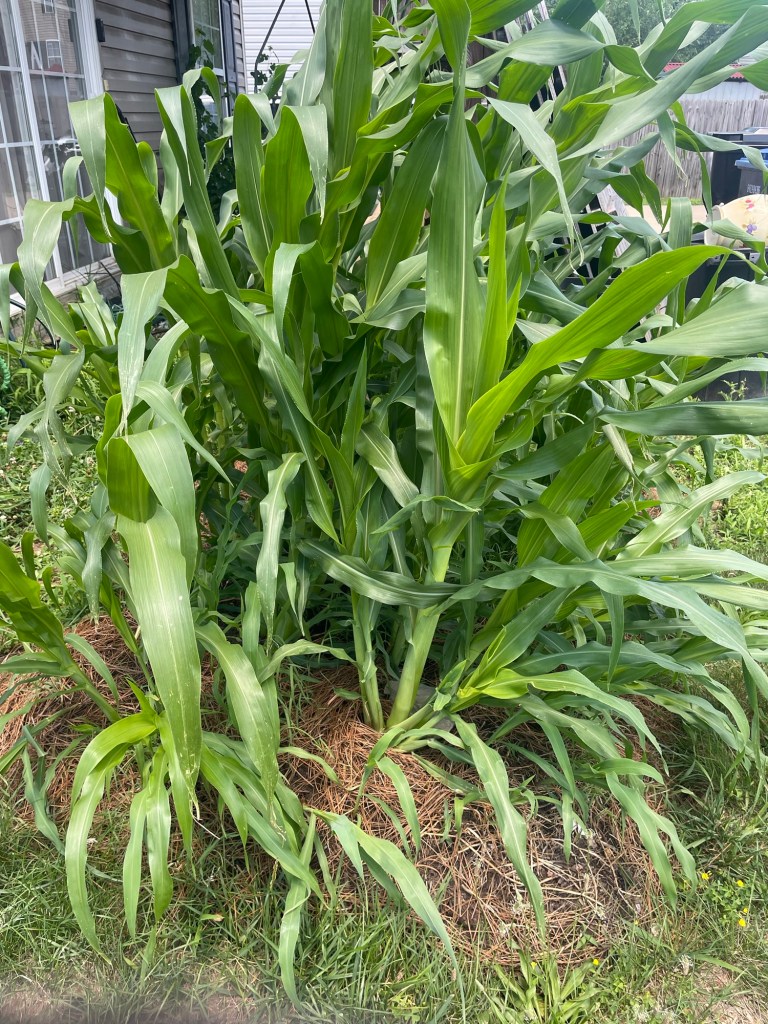
The corn has become one of the most impressive features in the garden. Every week it seems taller than the last, creating a living wall of green that reminds me how quickly summer arrives.

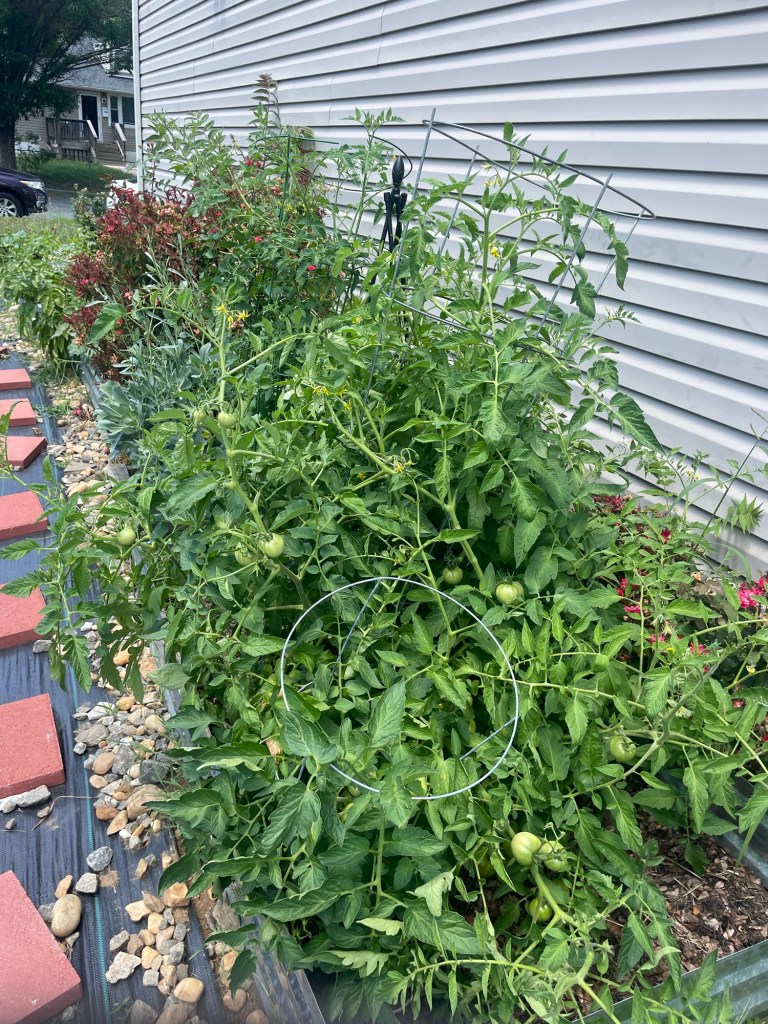
The tomatoes are loaded with developing fruit and continue to grow vigorously. Seeing clusters of tomatoes forming is one of those moments that makes all the watering, pruning, and patience worthwhile.

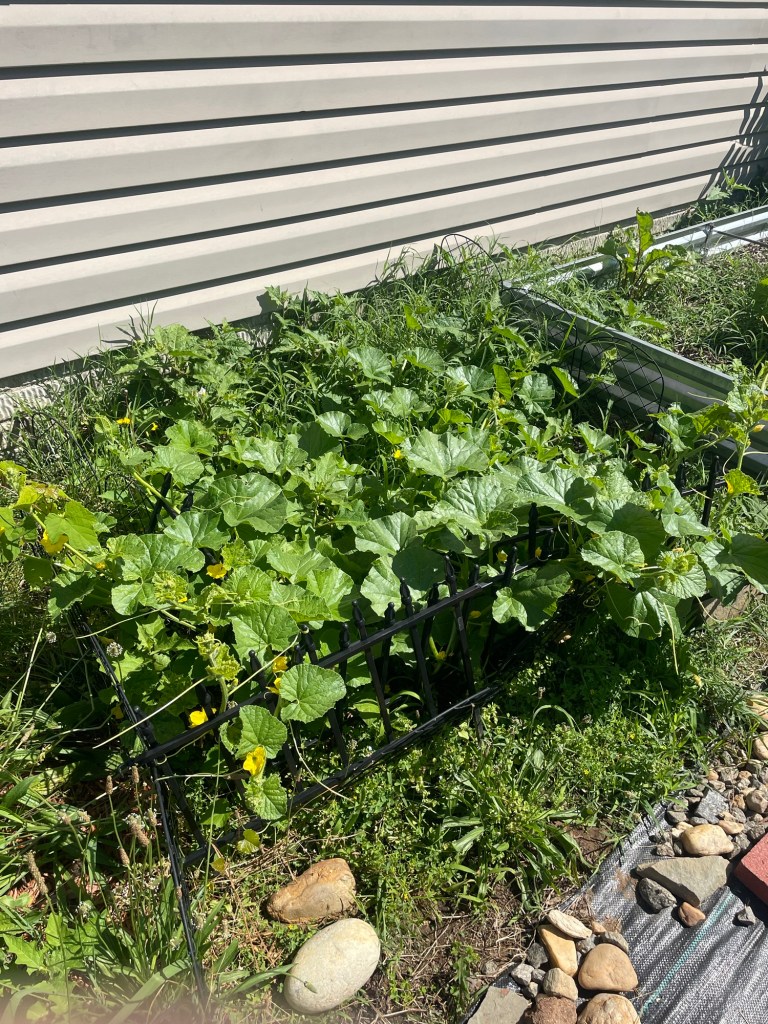
The cucumber vines are spreading throughout the bed and producing beautiful yellow blossoms that promise future harvests.

More Than Vegetables

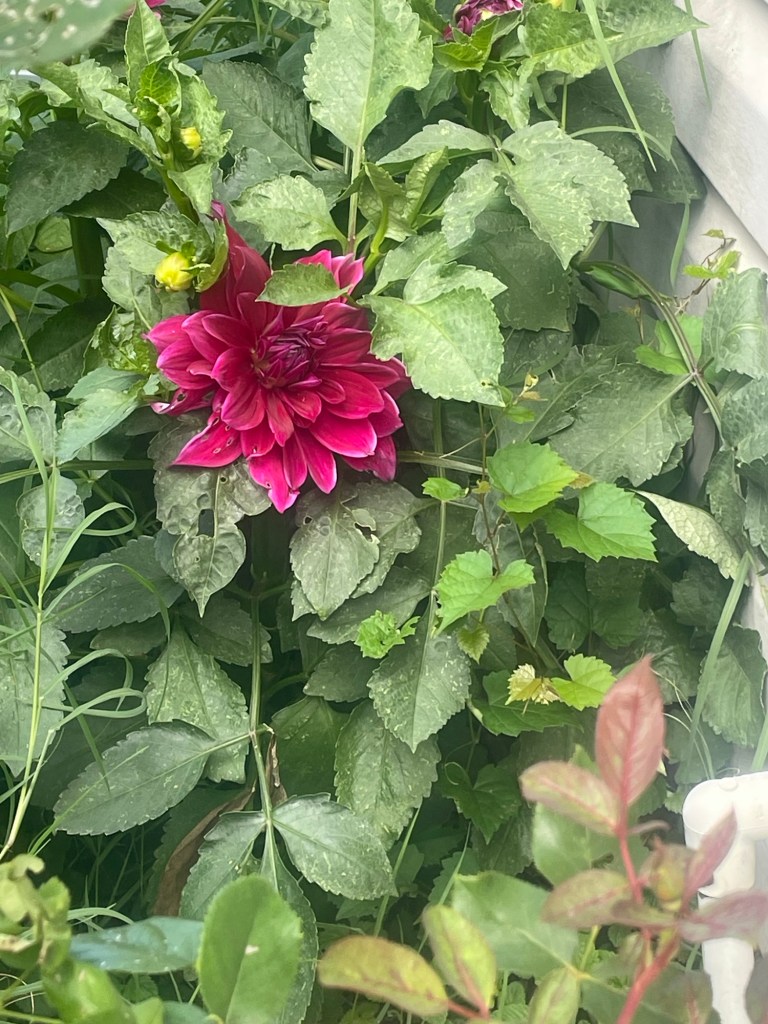
One of my favorite flowers in the garden recently openedโ€”a stunning dahlia bloom that added a burst of color among all the shades of green.

Flowers are just as important to me as vegetables. They attract pollinators, support biodiversity, and remind me that a garden should nourish the spirit as much as it nourishes the body.

Over the years, Iโ€™ve found that gardening isnโ€™t only about producing food. Itโ€™s also about creating beauty, building habitat, and finding moments of peace in the middle of everyday life.

Lessons From This Season

Gardening constantly teaches patience.

Some crops thrive immediately while others struggle. Some plans work exactly as expected, while others require adjustments along the way.

This season has reminded me that growth doesnโ€™t have to be perfect to be meaningful.

The pathway is still evolving. The garden layout continues to change. New projects are always waiting around the corner.

But when I look at the harvests coming into my kitchen and the life filling these garden beds, I can clearly see that progress is happening.

One plant, one harvest, and one season at a time.

Thank you for following along on this journey with me. I look forward to sharing more harvests, lessons, and garden adventures as the season continues.

Happy gardening,

Lulu

Gardening · Gardening

Garden Update: Some Wins, Some Lessons

This week in the garden has been a mix of encouragement and frustration. Some of my plants are thriving while others are clearly struggling, and honestly, I think the strange weather has a lot to do with it.

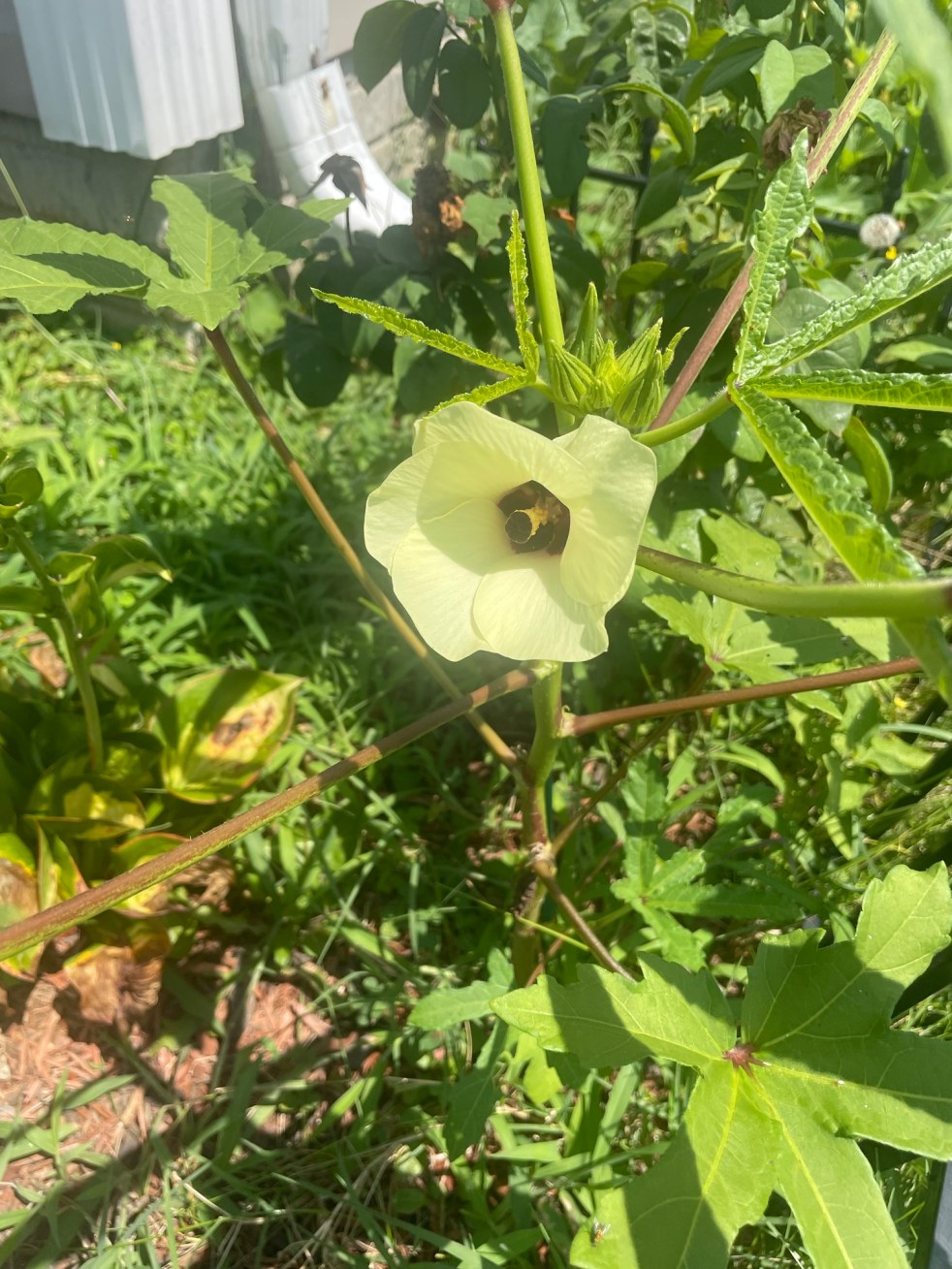
My spinach and okra have not been doing well at all. The spinach started bolting and looking stressed almost overnight, and the okra just seems unhappy no matter what I try. Between the random temperature swings, heavy rain, cooler nights, and sudden heat, I think the plants are having a hard time adjusting. Gardening really teaches patience because sometimes you can do everything โ€œrightโ€ and nature still has other plans.

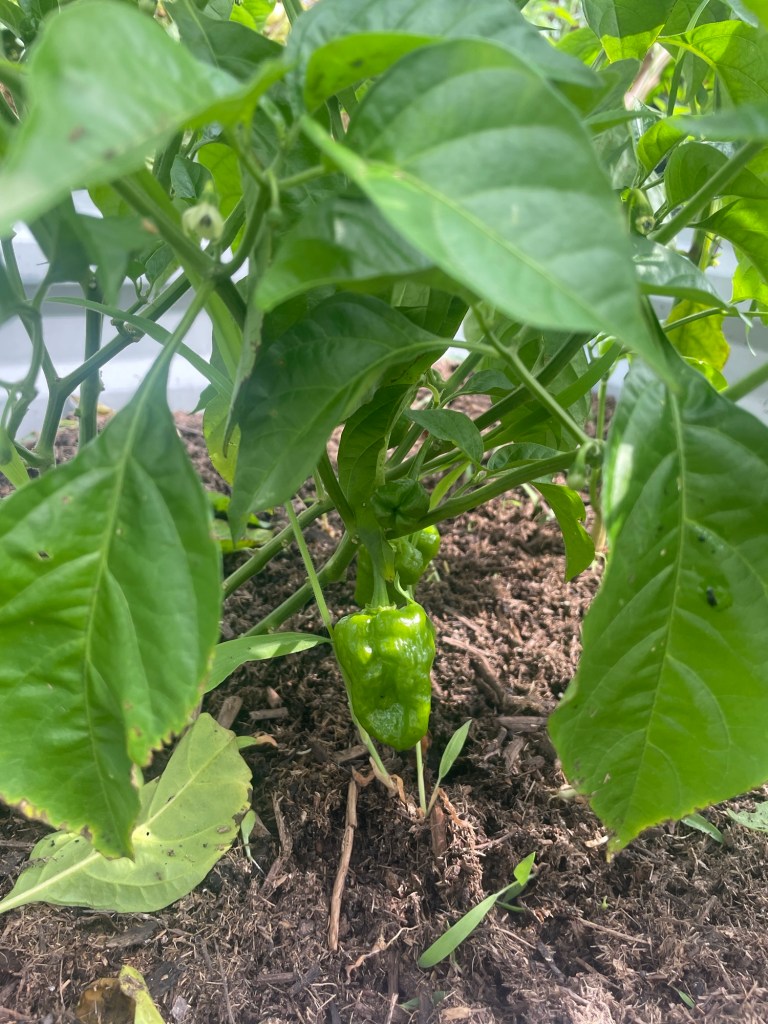
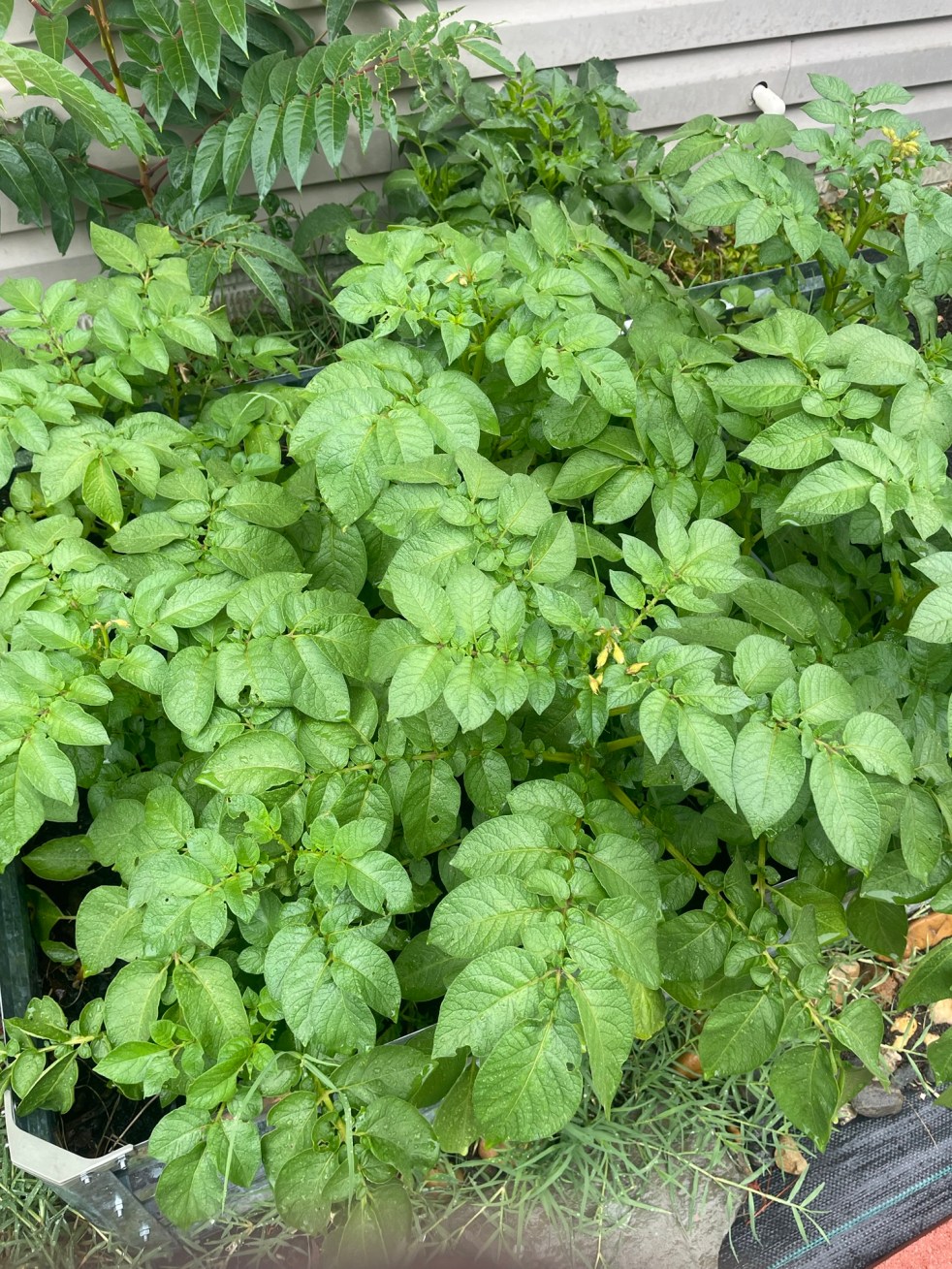
Thankfully, not everything is struggling. The potatoes are making steady progress and the corn is finally starting to look strong and established. My tomatoes are filling out nicely, the peppers are slowly taking off, and the peanuts are doing much better than I expected. Seeing those little wins helps balance out the disappointment of losing or struggling with other crops.

One thing Iโ€™m learning this season is that every garden tells a story. Some plants thrive in certain conditions while others refuse to cooperate. Instead of looking at setbacks as failures, Iโ€™m trying to see them as lessons for the next season. I may end up restarting the okra in a different area with more heat, and Iโ€™ll probably wait until cooler temperatures return before trying another round of spinach.

Even with the challenges, I still enjoy walking through the garden every morning. Thereโ€™s something peaceful about watching things grow slowly over time. Progress may not always look perfect, but progress is still progress.

Whatโ€™s growing well in your garden right now?

Gardening · Gardening

Zone 7a Spring Garden Update: Starting Seeds Indoors & Preparing Raised Beds

Thereโ€™s something about this time of year that feels full of possibility.

The air is still cool. The mornings are quiet. But underneath the surface, everything is preparing to grow โ€” and so am I.

This week, I officially started seeds indoors.

And just like that, the planting season feels real.


๐ŸŒฟ The Indoor Seed Station Is Fully Operational


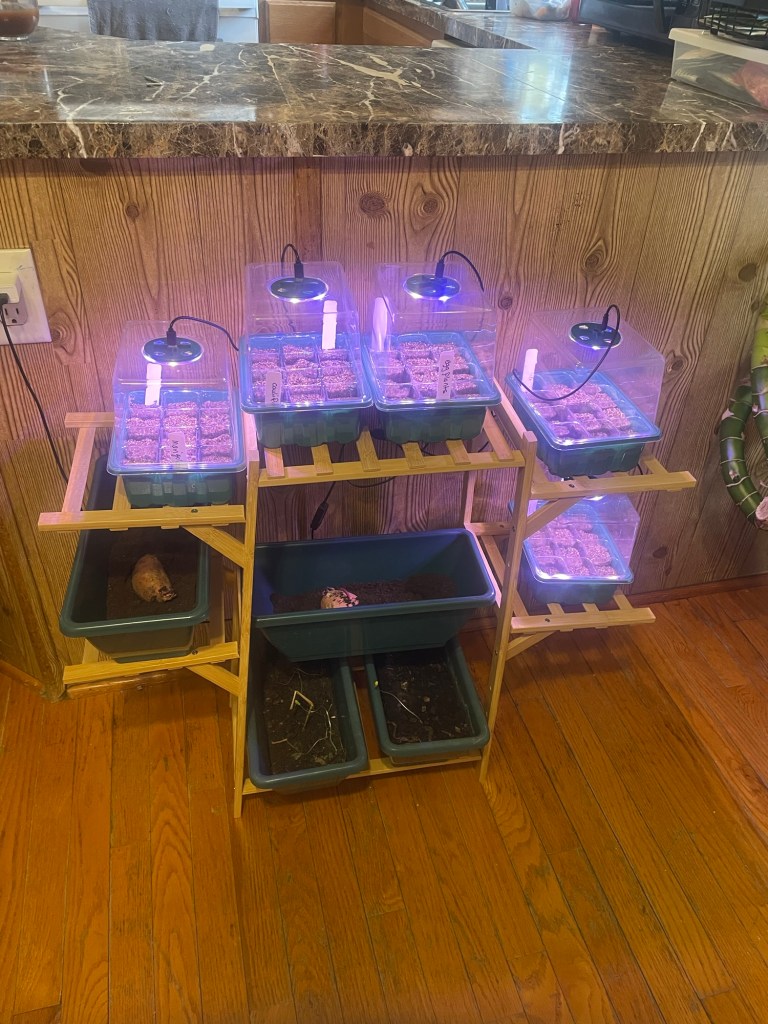
Wide shot of my full seed station with trays and grow lights

This year I expanded my indoor setup โ€” multiple trays, labeled pods, grow lights positioned carefully, and even sweet potatoes sprouting below.

It may look simple, but this setup represents planning, learning, and commitment. Iโ€™m not rushing this season. Iโ€™m building it intentionally.


๐ŸŒฑ First Sprouts Under the Lights


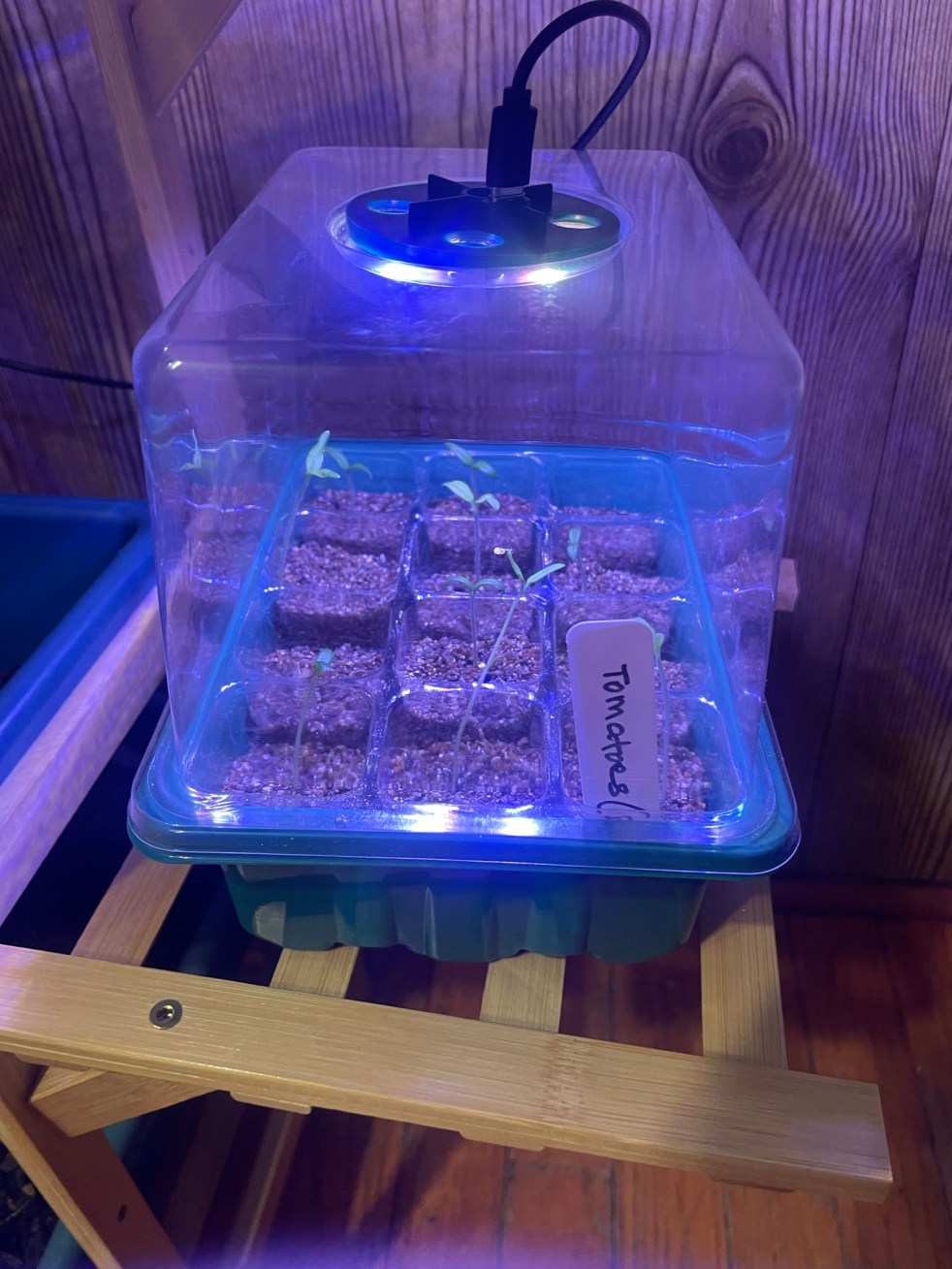
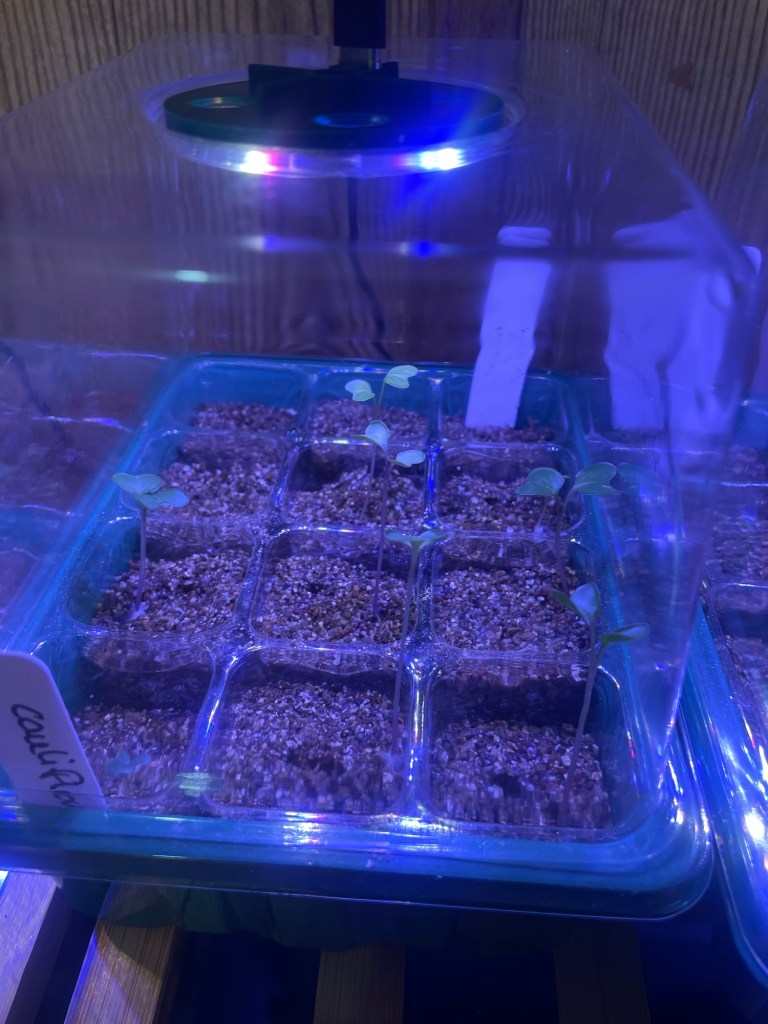
Close-up of seedlings under grow lights

Watching those first leaves unfold under the glow of the grow lights never gets old. They may look delicate, but whatโ€™s happening below the surface is powerful.

Roots are forming.
Systems are strengthening.
Life is preparing.

This yearโ€™s indoor lineup includes:

  • Eggplant
  • Cayenne peppers
  • Bell peppers
  • Cauliflower
  • Broccoli
  • Basil
  • Marigolds
  • Sweet potatoes
  • Tomatoes

Peppers and eggplant need that early head start. The brassicas will transition outside earlier if the forecast cooperates. Basil and marigolds are part of my companion planting strategy โ€” protection, pollination, and balance.

And the sweet potatoes? Those are personal. Watching them sprout reminds me that even something dormant can surprise you with life.


๐Ÿชต Preparing the Raised Beds


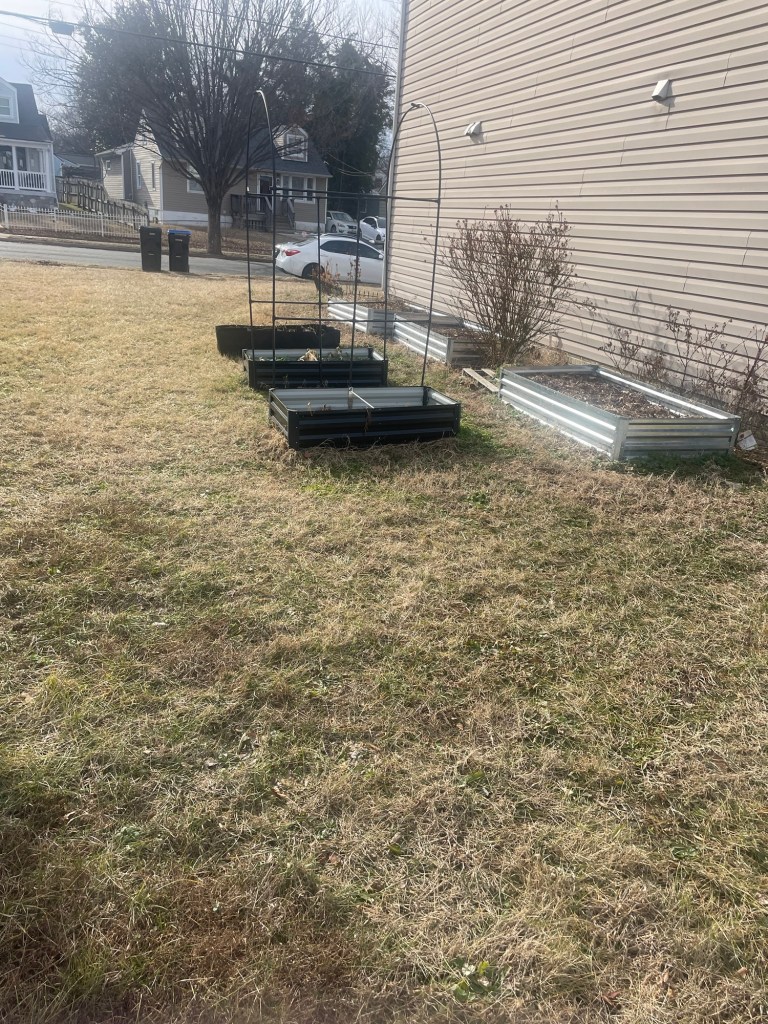
Photo of raised beds before cow manure

Outside, the beds are waiting.

I added more cow manure to enrich the soil and refreshed the raised beds in preparation for spring planting. The yard still looks winter-worn, but I can already see what it will become.

Healthy soil means stronger roots, better yields, and more resilient plants.

Soil first. Always.


๐ŸŒฝ The Future Corn & Peanut Patch


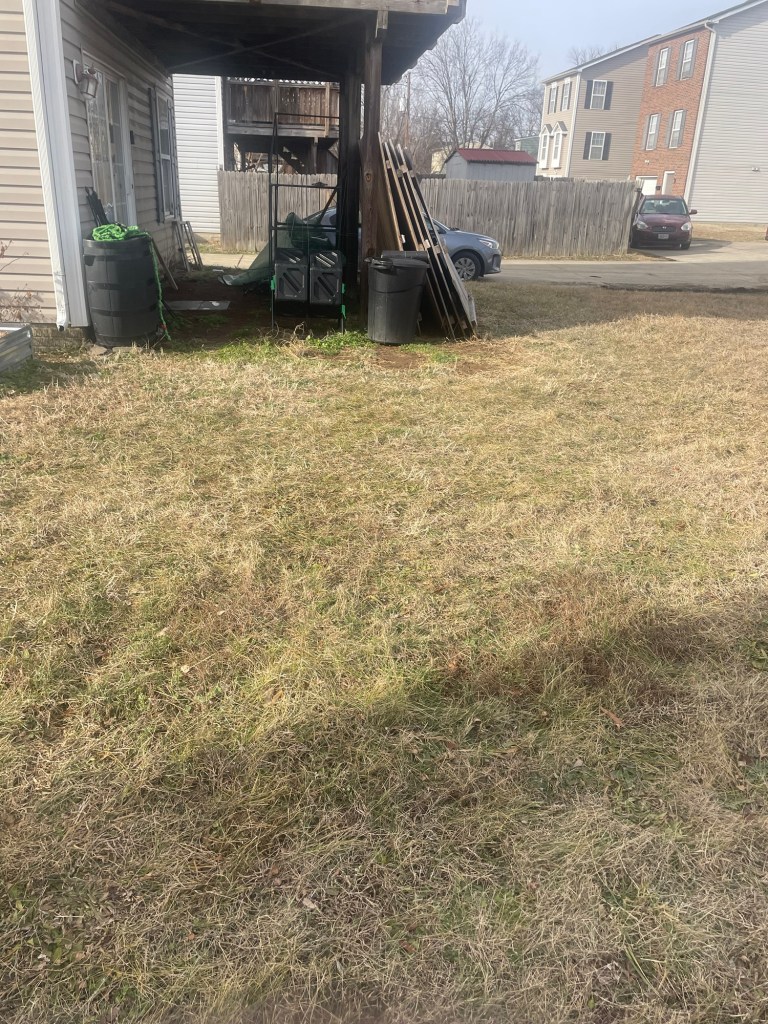
Outdoor patch photo where corn and peanuts will go

This is where the corn and peanuts will grow this year.

But timing matters.

Iโ€™m watching the forecast carefully, especially soil temperatures. Corn and peanuts need warmth and stability. Iโ€™m waiting until frost risk has passed and the soil temperature is consistently warm enough to support strong growth.

Gardening has taught me that patience protects your harvest.


๐Ÿ“… Zone 7a Planting Timeline (Quick Reminder)

Living in Zone 7a means our average last frost date typically falls around mid-April (April 10โ€“20). That date guides almost everything I do this time of year.

Hereโ€™s how Iโ€™m planning around it:

6โ€“8 weeks before last frost (Februaryโ€“early March):

  • Start peppers, eggplant, tomatoes indoors
  • Begin brassicas like broccoli and cauliflower

4โ€“6 weeks before last frost:

  • Start basil and companion flowers like marigolds

2โ€“3 weeks before last frost (weather permitting):

  • Harden off cool-weather crops
  • Transplant broccoli and cauliflower outdoors

After last frost (mid-to-late April):

  • Transplant peppers, tomatoes, eggplant
  • Direct sow corn
  • Plant peanuts once soil temperatures are above 65ยฐF
  • Move sweet potato slips outdoors once nights are consistently warm

Gardening in Zone 7a is about watching the weather โ€” not just the calendar.


๐Ÿ“’ Systems Matter This Year

This year I have:

  • My gardening binder organized
  • Seed inventory tracked
  • Raised beds refreshed
  • A growing app helping me stay on schedule
  • Weather patterns monitored closely

It feels less chaotic and more strategic.

Preparation brings peace.


๐ŸŒฟ Planting With Purpose

Every year I garden, but this year feels different.

Iโ€™m not just planting vegetables โ€” Iโ€™m building discipline. Iโ€™m practicing patience. Iโ€™m creating a rhythm that aligns with the seasons instead of rushing ahead of them.

Watching frost dates. Preparing soil before seeds go in. Starting early indoors but waiting wisely outdoors.

This garden is about more than harvest.

Itโ€™s about:

  • Teaching my children where food comes from
  • Building food security one bed at a time
  • Honoring agricultural roots that shaped generations before me
  • And trusting that steady preparation always produces results

The seedlings under my grow lights may look small now. The outdoor beds may still look quiet.

But I know whatโ€™s coming.

Because Iโ€™ve done the work.

And this season, Iโ€™m planting with purpose.

Recipes

Vegan Egg Rolls (My First Timeโ€”and a Family Favorite!)

This was my first time ever making egg rolls, and Iโ€™m still smiling about how well they turned out.

Iโ€™ve been leaning more into Asian-inspired flavors lately as part of my vegan journey, mostly because they feel flexible, bold, and fun to experiment with. This dish came together after work, without a ton of pressure, and ended up being one of those meals where everyone actually agrees: this is good.

That alone felt like a win.

I didnโ€™t follow a strict recipe โ€” I adjusted, swapped ingredients, and trusted my instincts. And honestly? Iโ€™m so glad I did.


What I Used

Filling

  • 1 block firm tofu, crumbled
  • 2 tbsp olive oil
  • 1 tbsp freshly grated ginger
  • 1 tsp garlic
  • 1 tsp turmeric
  • 1 tbsp low-sodium soy sauce
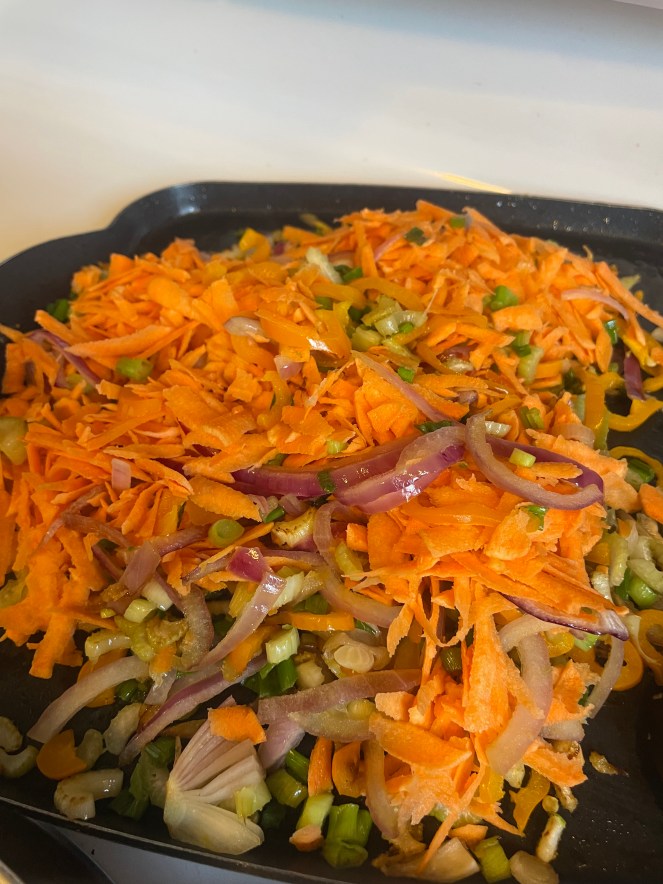
  • ยฝ red onion, thinly sliced
  • Sweet peppers, sliced
  • Shredded sweet potatoes (instead of carrots)
  • 4 scallions, chopped

For Wrapping & Frying

  • Premade egg roll wrappers
  • Oil for frying

How I Made Them

1. Prepare the Tofu

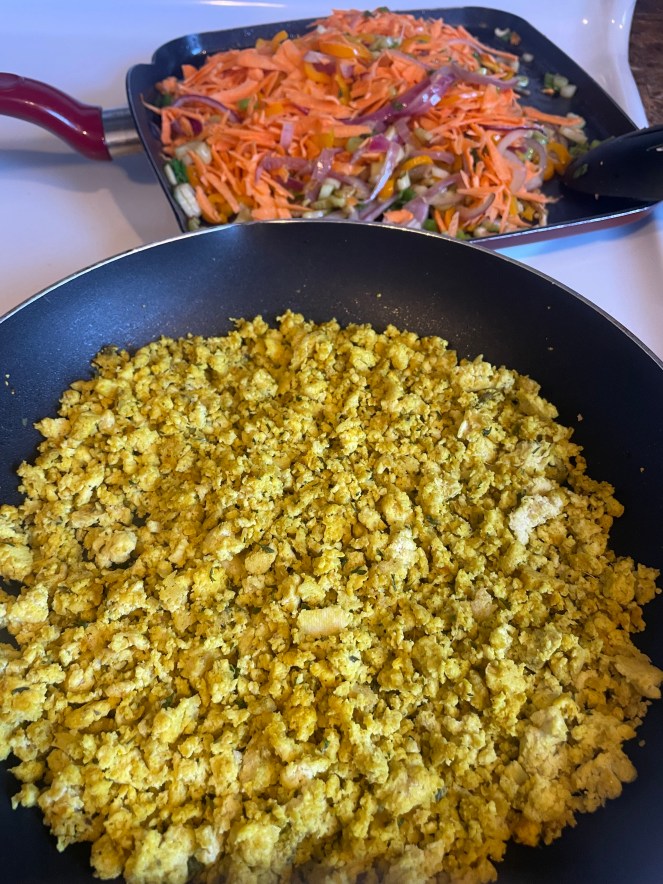
I crumbled the tofu and cooked it in olive oil with the ginger, garlic, turmeric, and soy sauce. I let it cook until it reached the texture and temperature I wanted โ€” slightly firm, well-seasoned, and flavorful.

2. Cook the Vegetables

Once the tofu was ready, I cooked the vegetables separately on medium heat for about 5 minutes, just until they softened but still had a little bite.

3. Combine & Cool

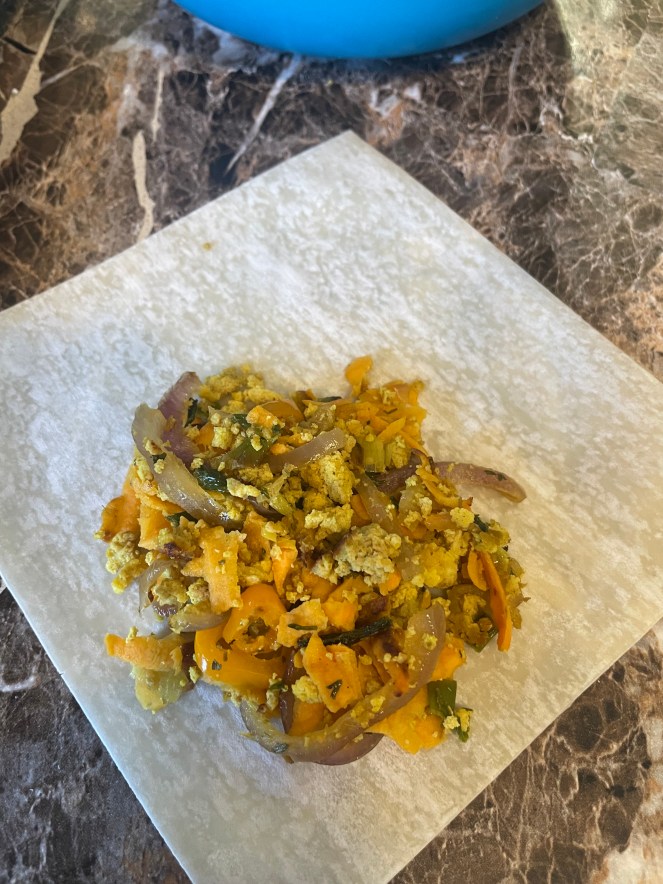
I added the tofu back into the pan with the vegetables and cooked everything together for another 5 minutes. Then I removed the mixture from the heat and let it cool to room temperature before wrapping.

(This step really matters โ€” warm filling can tear the wrappers.)

4. Wrap & Fry

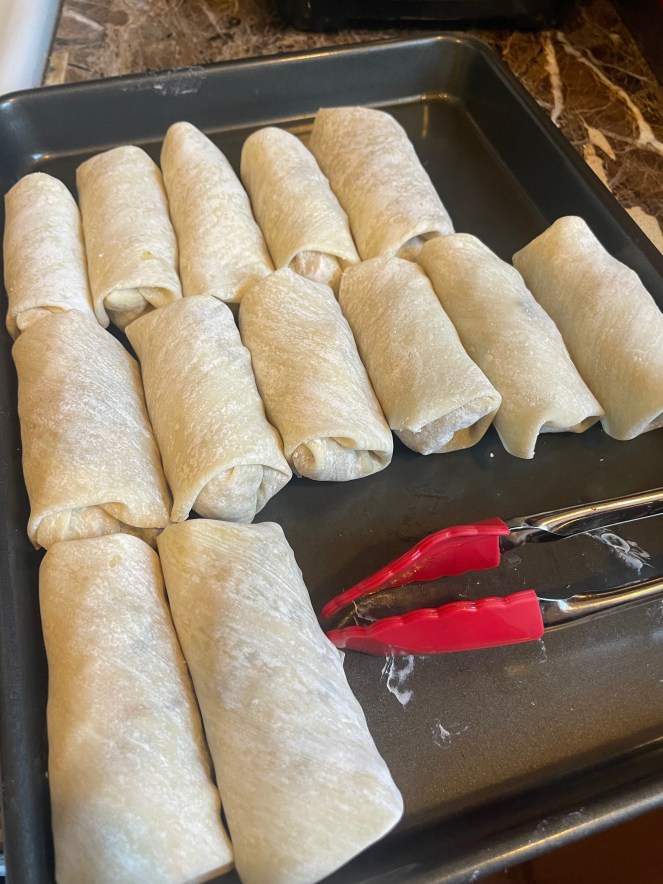
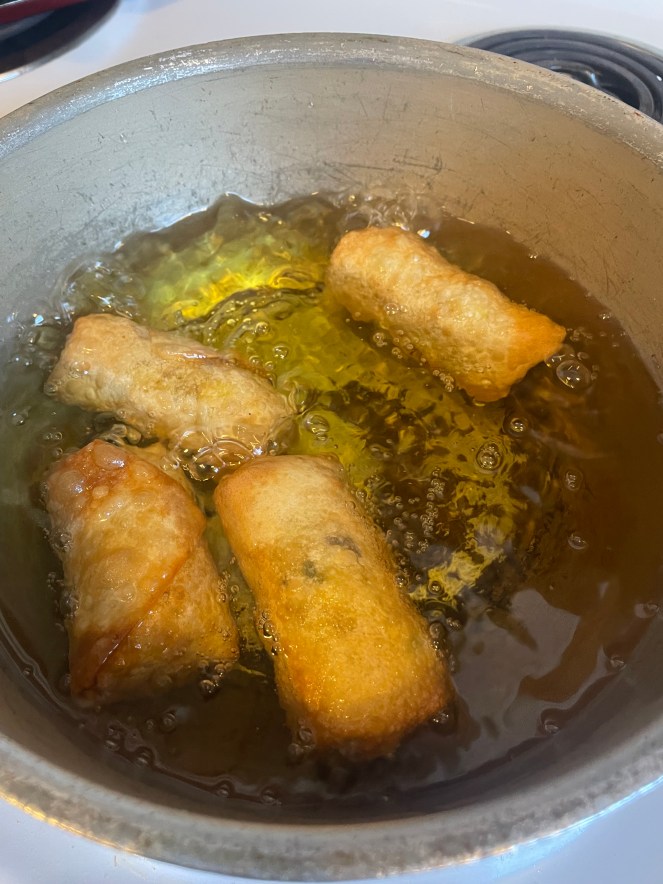
Using premade egg roll wrappers, I wrapped each egg roll individually and fried them for about 8 minutes, turning as needed, until they were golden and crisp.

5. Serve

I served them with a homemade soy sauce dipping mixture, and that was dinner.


Where I Bought My Ingredients (Weis Markets)

These are not affiliate links โ€” just sharing what worked for me and how I keep vegan meals flavorful, nourishing, and affordable.

Why This Recipe Is a Keeper

What made this meal special wasnโ€™t just the flavor โ€” it was the feeling. Trying something new, trusting myself in the kitchen, and watching my family enjoy it made the whole process feel rewarding.

The tofu held up beautifully, the sweet potatoes added warmth and balance, and the banana peppers gave just the right kick. For a first attempt, I couldnโ€™t have asked for better results.


Looking Ahead

This recipe definitely opened the door for me. Iโ€™m excited to keep experimenting with more Asian-inspired vegan dishes โ€” not just to keep things fresh, but to remind myself that this journey can be creative, joyful, and full of new favorites.

If this was my first attempt, I canโ€™t wait to see what comes next.

Gardening

Garden Update: Ready to Grow, Learning to Wait

Right now, my garden feels like itโ€™s holding its breath โ€” and so am I.

I have my seeds.

I have my starter pods.

I even have the garden layout mapped out and ready to go.

And yetโ€ฆ Iโ€™m pausing.

As excited as I am to start my seeds, Iโ€™m being intentional about when I begin. Living in a climate where late frosts are still a possibility, Iโ€™ve learned that starting too early can undo weeks of careful planning. Losing seedlings to an unexpected cold snap is frustrating โ€” and avoidable โ€” if youโ€™re willing to wait.

This season, Iโ€™m choosing patience

Why Iโ€™m Waiting to Start My Seeds

Seed starting is one of the most exciting parts of gardening. Itโ€™s where hope takes shape. But timing matters just as much as enthusiasm.

Right now, my hesitation comes down to one thing: our last frost date.

Even with grow lights and starter pods ready, planting too soon can mean:

weak seedlings that outgrow their containers stressed plants when itโ€™s time to transplant or worse โ€” losing them entirely to cold temperatures

Iโ€™ve learned that starting seeds at the right time is just as important as starting them at all.

What Iโ€™m Doing Instead (And Why It Still Counts as Progress)

Even though seeds arenโ€™t in the soil yet, the work hasnโ€™t stopped.

Hereโ€™s what I have been doing:

Reviewing my garden diagram and spacing plans Organizing seeds by indoor vs. direct-sow crops Prepping starter pods and trays Refreshing my memory on frost dates for my zone Making a short list of which plants truly benefit from early starts

This stage of gardening โ€” the quiet planning โ€” sets the tone for the entire season.

Trusting the Process

Gardening has taught me that rushing doesnโ€™t lead to better results. The soil warms when itโ€™s ready. The seeds sprout when conditions are right. And sometimes, the most responsible thing a gardener can do is wait.

Iโ€™m excited. Iโ€™m prepared. And when the timing is right, Iโ€™ll be ready to move quickly and confidently.

For now, Iโ€™m honoring the pause.

Whatโ€™s Coming Next

Once weโ€™re closer to our last frost date, Iโ€™ll be:

starting select seeds indoors hardening off seedlings slowly preparing beds for transplanting and sharing updates on whatโ€™s thriving

This season already feels promising โ€” and it hasnโ€™t even started yet.

Sometimes growth begins long before anything breaks the surface.

Recipes

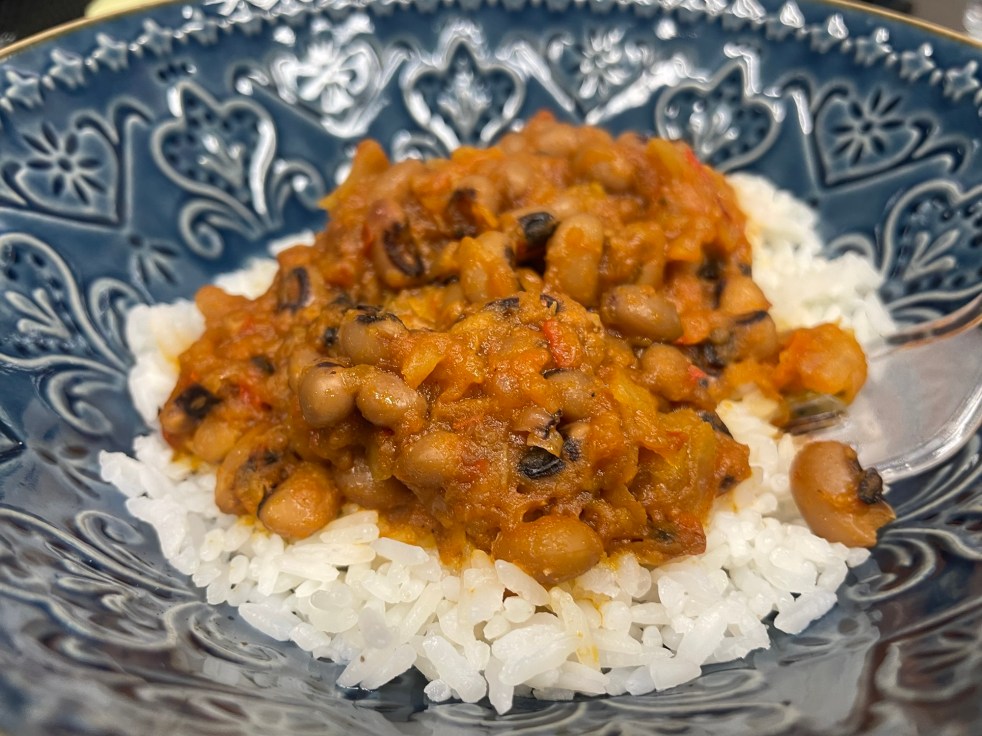
Vegan Stewed Black-Eyed Peas with Tofu (A Family Favorite)

Some of my favorite meals are the ones that come together quietly โ€” no measuring cups everywhere, no rushing, just cooking by feel and adjusting as I go. This vegan version of stewed black-eyed peas is one of those dishes.

Iโ€™ve been making some version of black-eyed peas for years, but recently I started experimenting with tofu as a protein swap โ€” and to my surprise, my family really loves it this way. The tofu soaks up all the flavor from the stew, the peas make it hearty and comforting, and the whole dish feels both familiar and new.

This is the kind of meal I make when I want something filling, nourishing, and deeply satisfying โ€” without meat.


Ingredients

  • 1 block firm tofu
  • 1 cup uncooked black-eyed peas
  • Oil (for frying and for the stew)
  • 2 onions
  • 1 bell pepper
  • 1 steak tomato
  • ยฝ tube tomato paste

Seasoning Mix

(I cook by instinct, so adjust these to your taste)

  • Chili pepper
  • Garlic powder
  • Onion powder
  • Ginger
  • Turmeric
  • Salt
  • Cayenne pepper

Instructions

1. Prepare the Base

  • Rinse and cook the black-eyed peas in water on medium heat for about 30 minutes, or until they begin to soften. Set aside.
  • Cube the tofu and fry it in oil until lightly golden. Remove and set aside.

2. Build the Stew

  • In a food processor, blend the onions, bell pepper, and tomato until smooth.
  • In a pot or deep skillet, heat oil and add the blended vegetables.
  • Let the mixture cook for about 10 minutes, stirring occasionally, until it thickens and the raw tomato flavor cooks down.

3. Season & Simmer

  • Add your seasoning mix and let it cook for another 5 minutes, allowing the spices to bloom.
  • Stir in the tomato paste until fully combined.
  • Add the cooked black-eyed peas and the fried tofu.
  • Lower the heat to lowโ€“medium and let everything simmer for about 30 minutes.

During this time, taste and adjust seasoning as needed. Youโ€™re looking for tender peas, well-seasoned sauce, and tofu thatโ€™s fully infused with flavor.


How We Serve It

This stew is hearty enough to stand on its own, but it also pairs beautifully with:

  • rice
  • crusty bread
  • or a simple side of steamed greens

Leftovers taste even better the next day, once the flavors have had time to deepen.


Cooking by Instinct

I donโ€™t measure my spices because every pot tells me what it needs. Some days it wants more heat, other days more warmth. That freedom is part of what makes cooking feel grounding to me โ€” especially as I continue exploring plant-based versions of dishes my family already loves.

This one is definitely staying in our rotation.

If you try it, feel free to make it your own. Thatโ€™s the beauty of a good stew.

Gardening · Gardening

Spring Garden Plans: Preparing the Soil & Setting Intentions

Garden Updates | Spring Garden Series โ€“ Part 1

https://substackcdn.com/image/fetch/%24s_%21b-R5%21%2Cf_auto%2Cq_auto%3Agood%2Cfl_progressive%3Asteep/https%3A%2F%2Fsubstack-post-media.s3.amazonaws.com%2Fpublic%2Fimages%2F6f04b69f-a587-4107-b68c-df5342fb8868_2966x2222.jpeg
https://cdn.mos.cms.futurecdn.net/kc6cpc7NKYHFfP5TyskuGC.jpg
https://homesteadandchill.com/wp-content/uploads/2020/01/homestead-chill-garden-plan-scaled.jpg

After the quiet of winter, Iโ€™ve started easing back into the gardenโ€”not by planting right away, but by preparing the space where everything will grow.

Over the past few weeks, Iโ€™ve been clearing out my garden beds, removing old growth, and giving the soil some much-needed care. I added compost to replenish nutrients and laid down hay to protect the beds, retain moisture, and allow the soil to rest while the weather finishes deciding what it wants to do.

This stage of gardening is slower and quieter, but itโ€™s one of my favorites. It reminds me that growth doesnโ€™t begin when seeds go into the groundโ€”it begins with preparation.


Starting Seeds Indoors

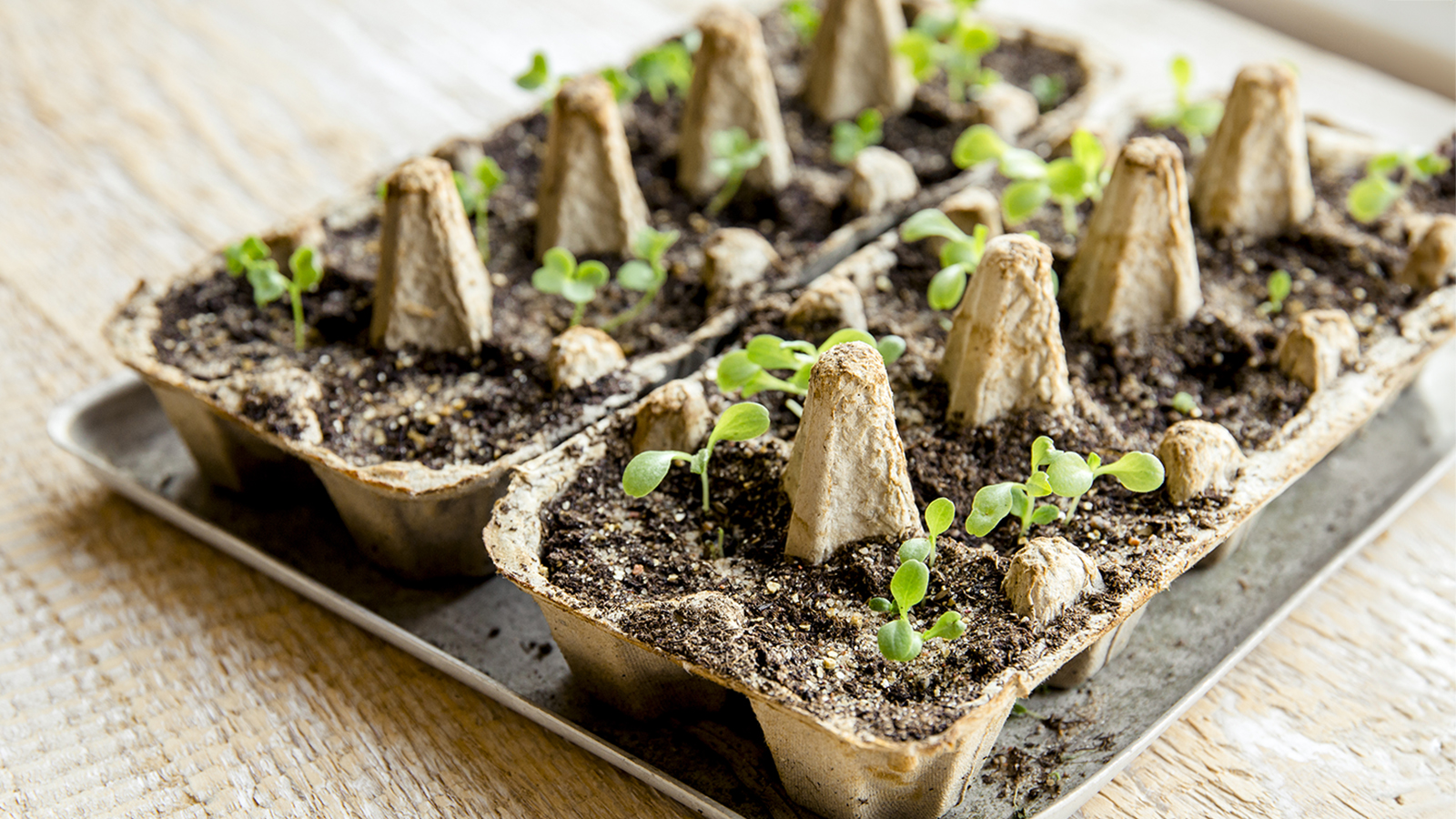
With the outdoor beds resting, my next step is starting seeds indoors this coming weekend. Seed starting always feels hopeful to me. Itโ€™s a way to stay connected to the garden while honoring the last frost date and the natural rhythm of the season.

I keep things simpleโ€”seed trays, soil, light, and patience. These early starts will be ready to transition outside once spring settles in.


Garden Layout & Planting Intentions

Iโ€™ve also been sketching out my garden layout to help me think through spacing, companion planting, and how different plants support one another. This doesnโ€™t have to be perfectโ€”just intentional.

Hereโ€™s the plant list inspired by my current layout plan:


Spring Garden Plant List

Vegetables and Fruits

  • Tomatoes
  • Peppers (bell & other varieties)
  • Cucumbers (with trellis support)
  • Zucchini
  • Potatoes
  • Okra
  • Corn
  • Sweet Potatoes
  • Melons
  • Strawberries
  • Lettuce
  • Kale
  • Cabbage

Herbs

  • Basil
  • Dill
  • Parsley
  • Oregano
  • Sage
  • Garlic (already established / overwintered)

Flowers & Pollinators

  • Zinnias
  • Nasturtiums (woven throughout beds)
  • Calendula
  • Chamomile
  • Coneflower
  • Echinacea

These choices support pollinators, improve soil health, and encourage a balanced garden ecosystemโ€”not just productivity.


Why I Plan Before I Plant

Mapping things out helps me stay flexible while still being intentional. It allows me to think about airflow, sunlight, harvest timing, and how my garden functions as a whole rather than a collection of individual plants.

For now, the beds are resting under compost and hay, and the seeds are getting ready to wake up indoors. Spring will come when itโ€™s readyโ€”and so will the garden.


Spring Garden Series

This post is Part 1 of my spring garden series. Over the next few weeks, Iโ€™ll be sharing:

  • Seed starting progress
  • Bed planting updates
  • Companion planting wins (and lessons learned)
  • Early harvests and seasonal adjustments

Join the Conversation

If youโ€™re planning your spring garden, Iโ€™d love to hear about it.
What are you growing this yearโ€”or what are you thinking about trying for the first time?

Feel free to share in the comments or follow along as the season unfolds.