Gardening · Gardening

Zone 7a Spring Garden Update: Starting Seeds Indoors & Preparing Raised Beds

There’s something about this time of year that feels full of possibility.

The air is still cool. The mornings are quiet. But underneath the surface, everything is preparing to grow — and so am I.

This week, I officially started seeds indoors.

And just like that, the planting season feels real.


🌿 The Indoor Seed Station Is Fully Operational


Wide shot of my full seed station with trays and grow lights
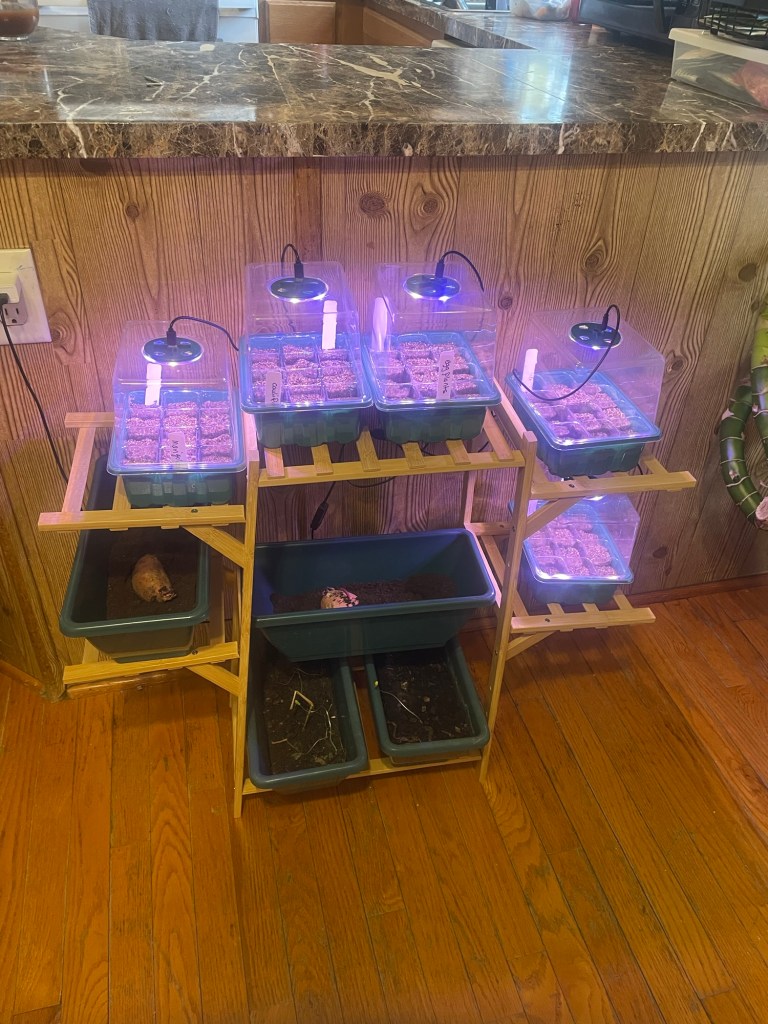
This year I expanded my indoor setup — multiple trays, labeled pods, grow lights positioned carefully, and even sweet potatoes sprouting below.

It may look simple, but this setup represents planning, learning, and commitment. I’m not rushing this season. I’m building it intentionally.


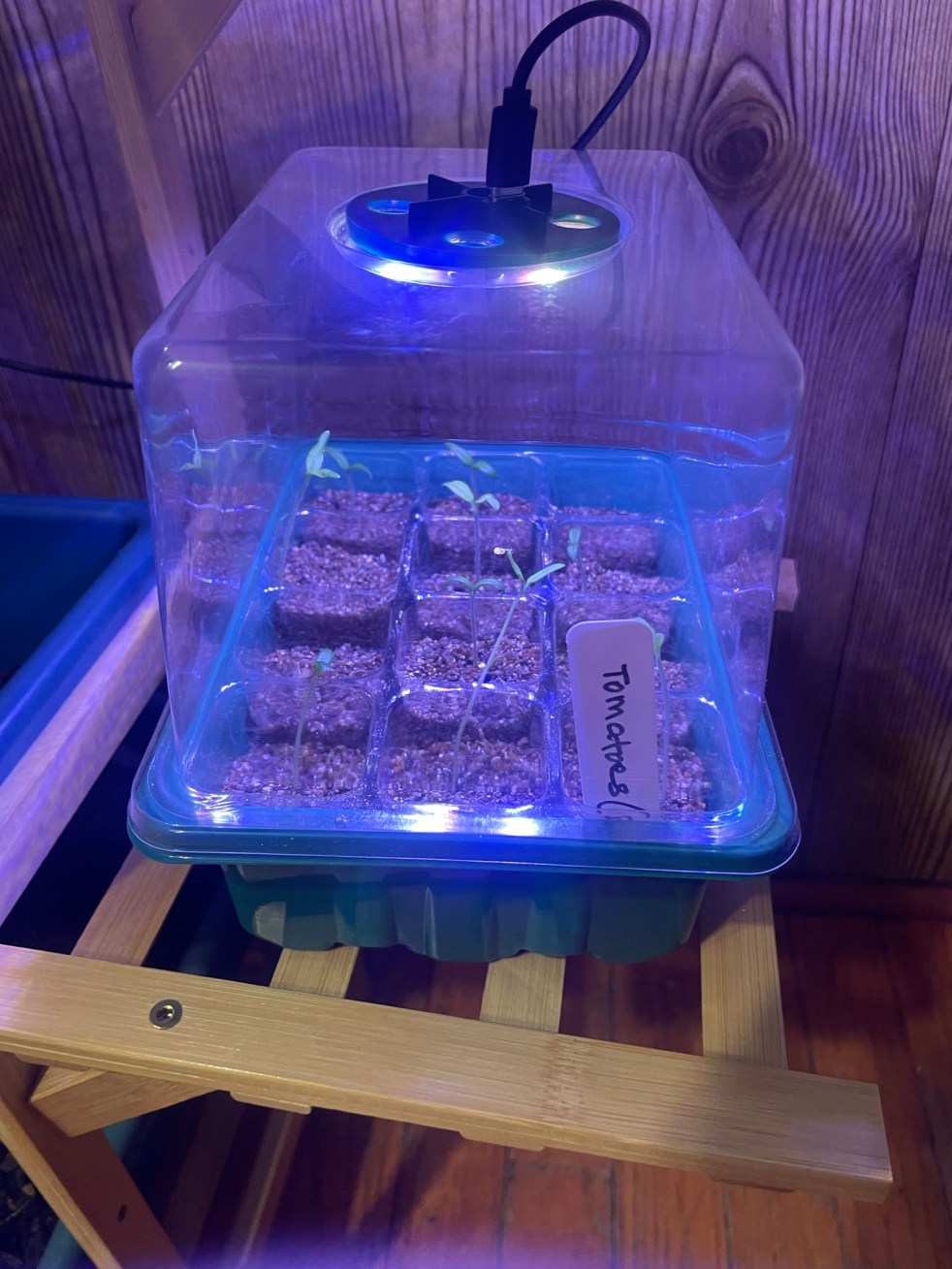
🌱 First Sprouts Under the Lights


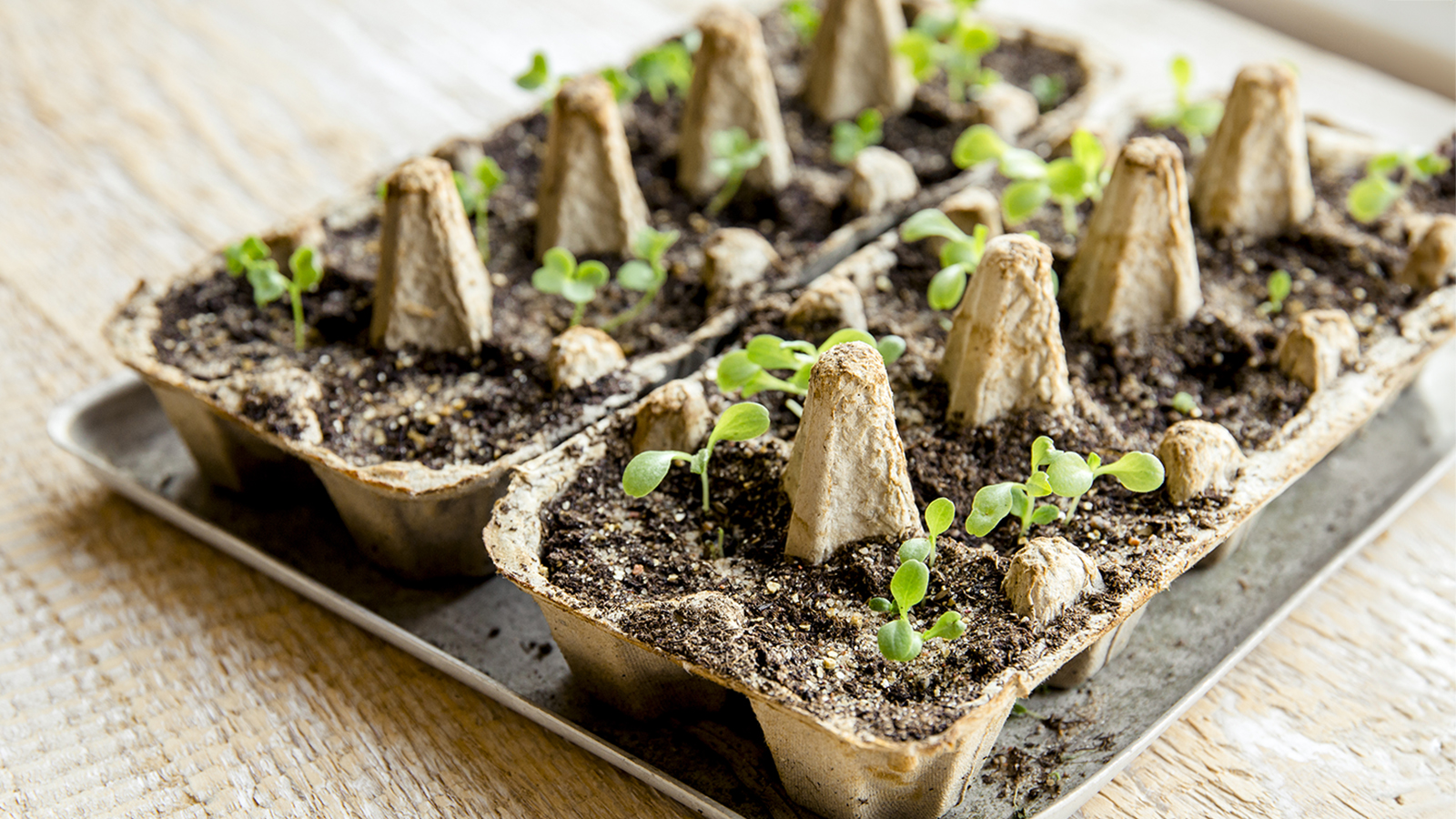
Close-up of seedlings under grow lights
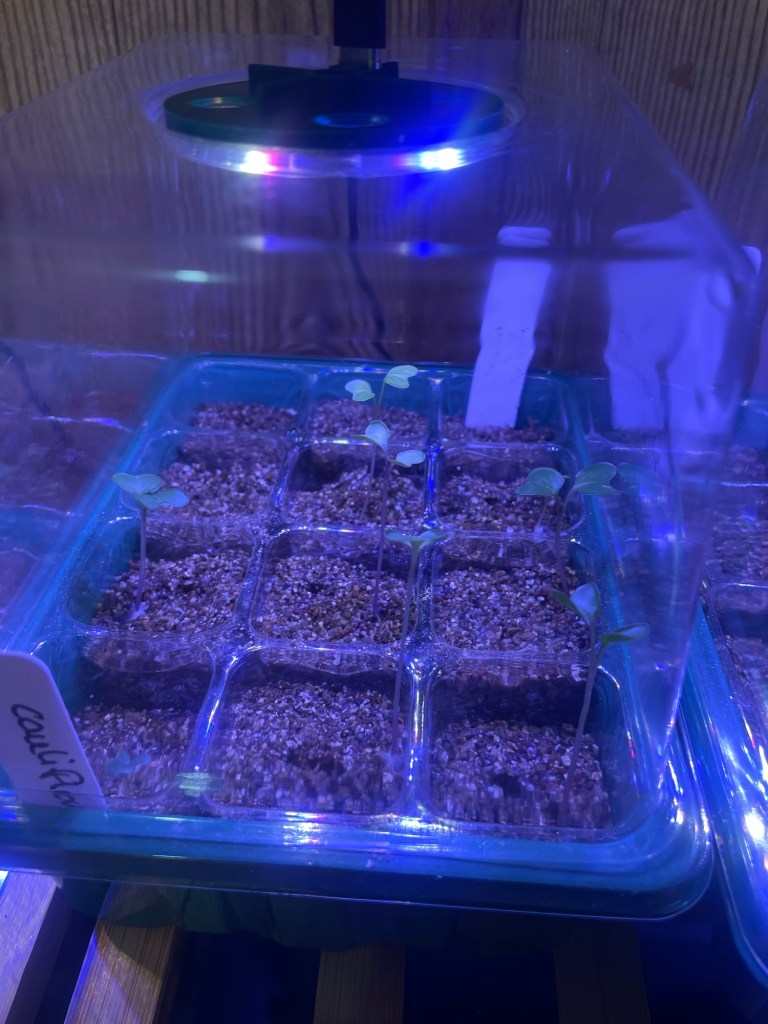
Watching those first leaves unfold under the glow of the grow lights never gets old. They may look delicate, but what’s happening below the surface is powerful.

Roots are forming.
Systems are strengthening.
Life is preparing.

This year’s indoor lineup includes:

  • Eggplant
  • Cayenne peppers
  • Bell peppers
  • Cauliflower
  • Broccoli
  • Basil
  • Marigolds
  • Sweet potatoes
  • Tomatoes

Peppers and eggplant need that early head start. The brassicas will transition outside earlier if the forecast cooperates. Basil and marigolds are part of my companion planting strategy — protection, pollination, and balance.

And the sweet potatoes? Those are personal. Watching them sprout reminds me that even something dormant can surprise you with life.


🪵 Preparing the Raised Beds


Photo of raised beds before cow manure
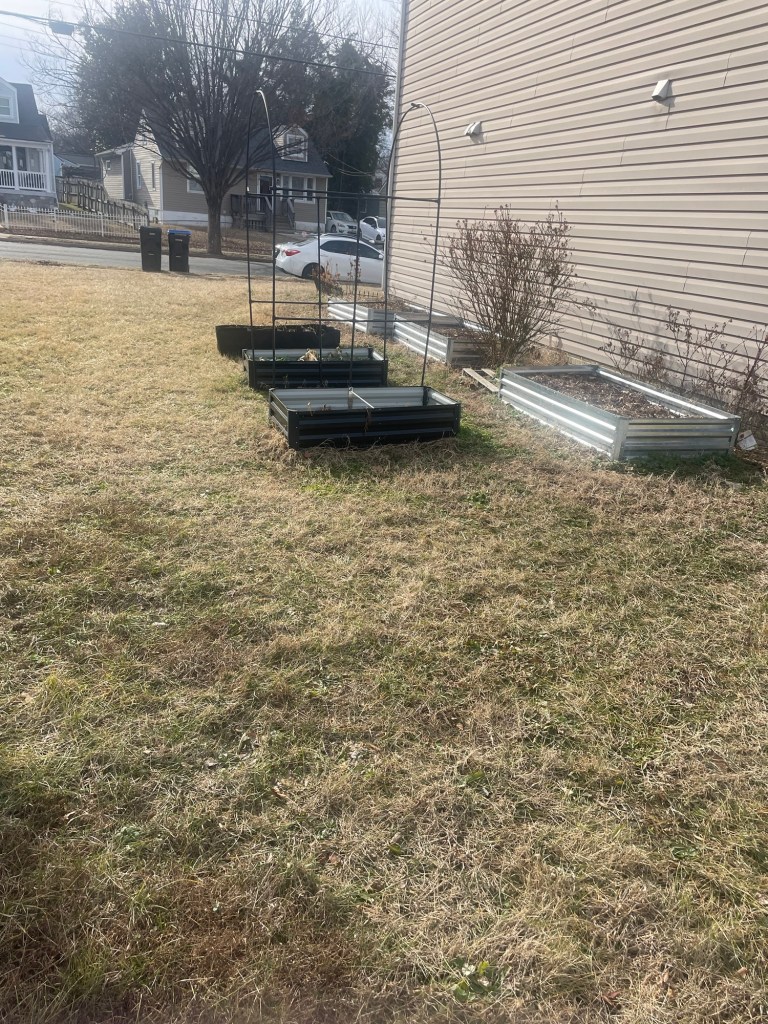
Outside, the beds are waiting.

I added more cow manure to enrich the soil and refreshed the raised beds in preparation for spring planting. The yard still looks winter-worn, but I can already see what it will become.

Healthy soil means stronger roots, better yields, and more resilient plants.

Soil first. Always.


🌽 The Future Corn & Peanut Patch


Outdoor patch photo where corn and peanuts will go
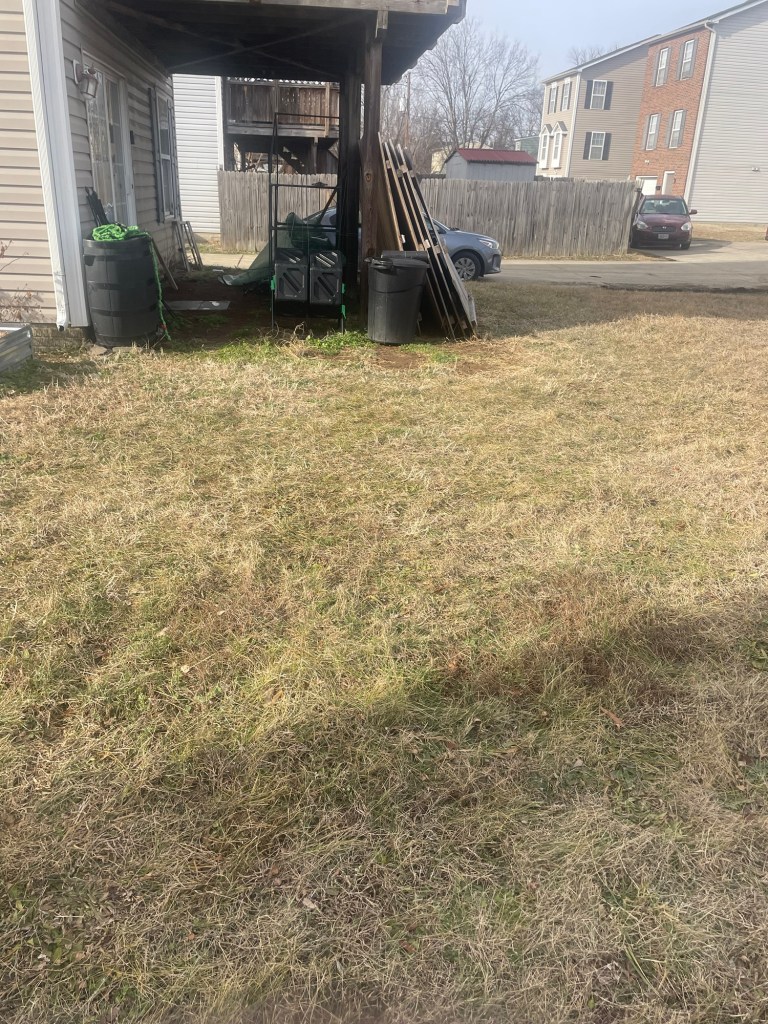
This is where the corn and peanuts will grow this year.

But timing matters.

I’m watching the forecast carefully, especially soil temperatures. Corn and peanuts need warmth and stability. I’m waiting until frost risk has passed and the soil temperature is consistently warm enough to support strong growth.

Gardening has taught me that patience protects your harvest.


📅 Zone 7a Planting Timeline (Quick Reminder)

Living in Zone 7a means our average last frost date typically falls around mid-April (April 10–20). That date guides almost everything I do this time of year.

Here’s how I’m planning around it:

6–8 weeks before last frost (February–early March):

  • Start peppers, eggplant, tomatoes indoors
  • Begin brassicas like broccoli and cauliflower

4–6 weeks before last frost:

  • Start basil and companion flowers like marigolds

2–3 weeks before last frost (weather permitting):

  • Harden off cool-weather crops
  • Transplant broccoli and cauliflower outdoors

After last frost (mid-to-late April):

  • Transplant peppers, tomatoes, eggplant
  • Direct sow corn
  • Plant peanuts once soil temperatures are above 65°F
  • Move sweet potato slips outdoors once nights are consistently warm

Gardening in Zone 7a is about watching the weather — not just the calendar.


📒 Systems Matter This Year

This year I have:

  • My gardening binder organized
  • Seed inventory tracked
  • Raised beds refreshed
  • A growing app helping me stay on schedule
  • Weather patterns monitored closely

It feels less chaotic and more strategic.

Preparation brings peace.


🌿 Planting With Purpose

Every year I garden, but this year feels different.

I’m not just planting vegetables — I’m building discipline. I’m practicing patience. I’m creating a rhythm that aligns with the seasons instead of rushing ahead of them.

Watching frost dates. Preparing soil before seeds go in. Starting early indoors but waiting wisely outdoors.

This garden is about more than harvest.

It’s about:

  • Teaching my children where food comes from
  • Building food security one bed at a time
  • Honoring agricultural roots that shaped generations before me
  • And trusting that steady preparation always produces results

The seedlings under my grow lights may look small now. The outdoor beds may still look quiet.

But I know what’s coming.

Because I’ve done the work.

And this season, I’m planting with purpose.

Recipes

Vegan Egg Rolls (My First Time—and a Family Favorite!)

This was my first time ever making egg rolls, and I’m still smiling about how well they turned out.

I’ve been leaning more into Asian-inspired flavors lately as part of my vegan journey, mostly because they feel flexible, bold, and fun to experiment with. This dish came together after work, without a ton of pressure, and ended up being one of those meals where everyone actually agrees: this is good.

That alone felt like a win.

I didn’t follow a strict recipe — I adjusted, swapped ingredients, and trusted my instincts. And honestly? I’m so glad I did.


What I Used

Filling

  • 1 block firm tofu, crumbled
  • 2 tbsp olive oil
  • 1 tbsp freshly grated ginger
  • 1 tsp garlic
  • 1 tsp turmeric
  • 1 tbsp low-sodium soy sauce
  • ½ red onion, thinly sliced
  • Sweet peppers, sliced
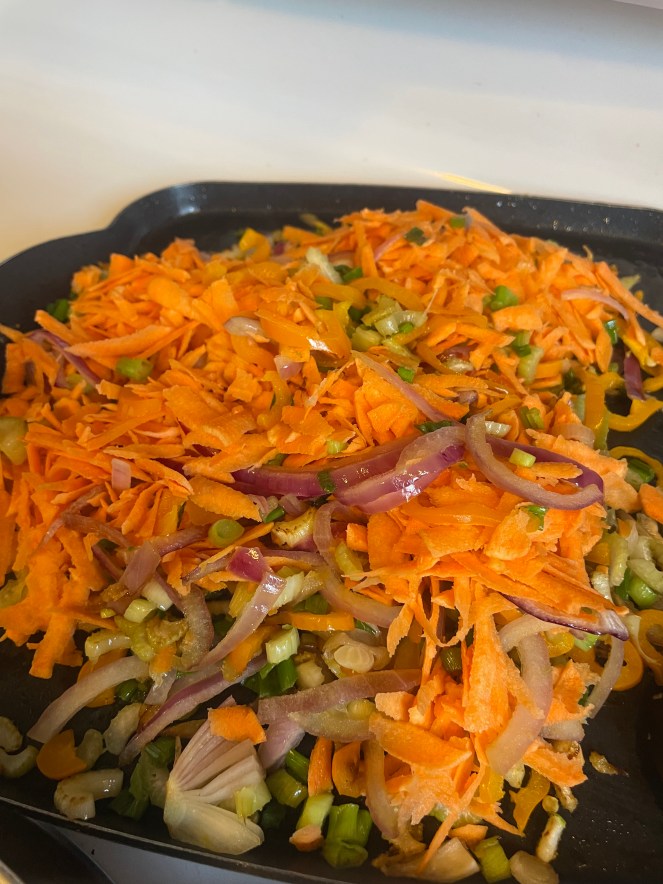
  • Shredded sweet potatoes (instead of carrots)
  • 4 scallions, chopped

For Wrapping & Frying

  • Premade egg roll wrappers
  • Oil for frying

How I Made Them

1. Prepare the Tofu

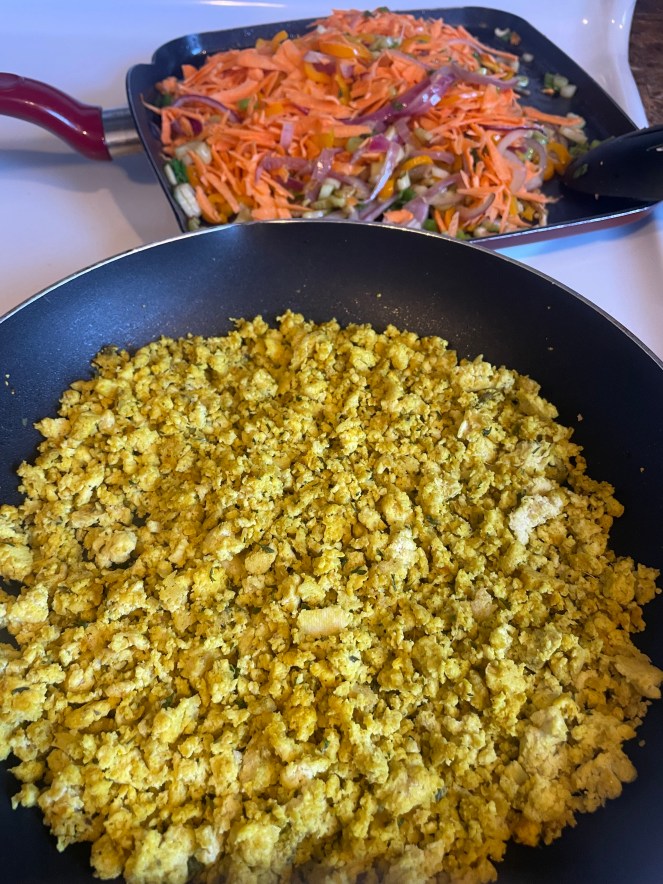
I crumbled the tofu and cooked it in olive oil with the ginger, garlic, turmeric, and soy sauce. I let it cook until it reached the texture and temperature I wanted — slightly firm, well-seasoned, and flavorful.

2. Cook the Vegetables

Once the tofu was ready, I cooked the vegetables separately on medium heat for about 5 minutes, just until they softened but still had a little bite.

3. Combine & Cool

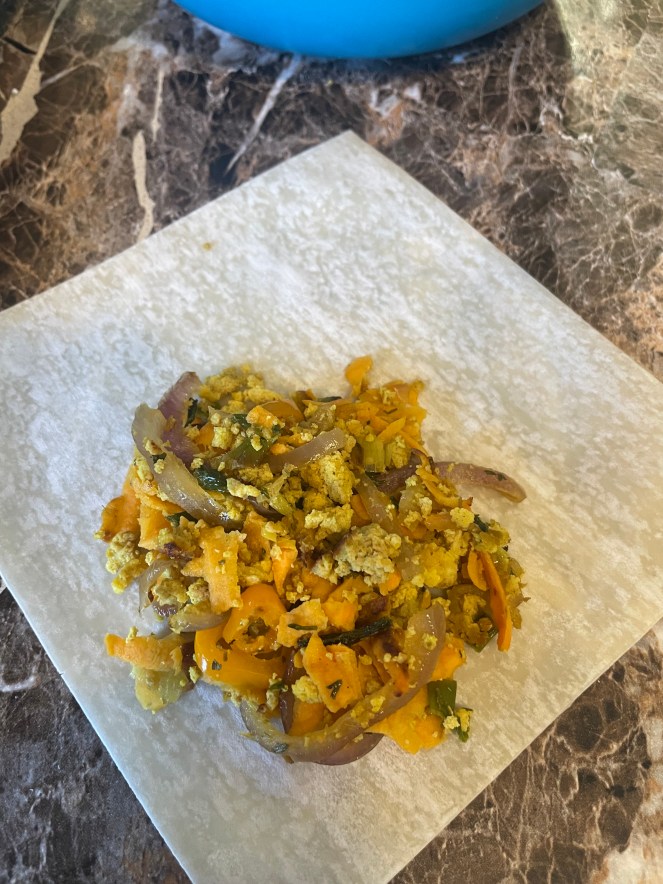
I added the tofu back into the pan with the vegetables and cooked everything together for another 5 minutes. Then I removed the mixture from the heat and let it cool to room temperature before wrapping.

(This step really matters — warm filling can tear the wrappers.)

4. Wrap & Fry

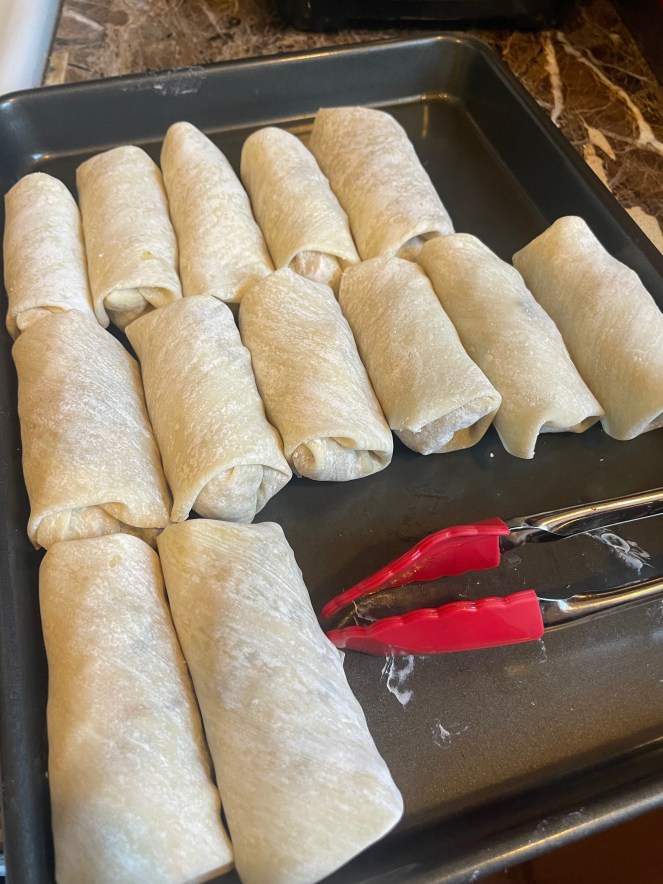
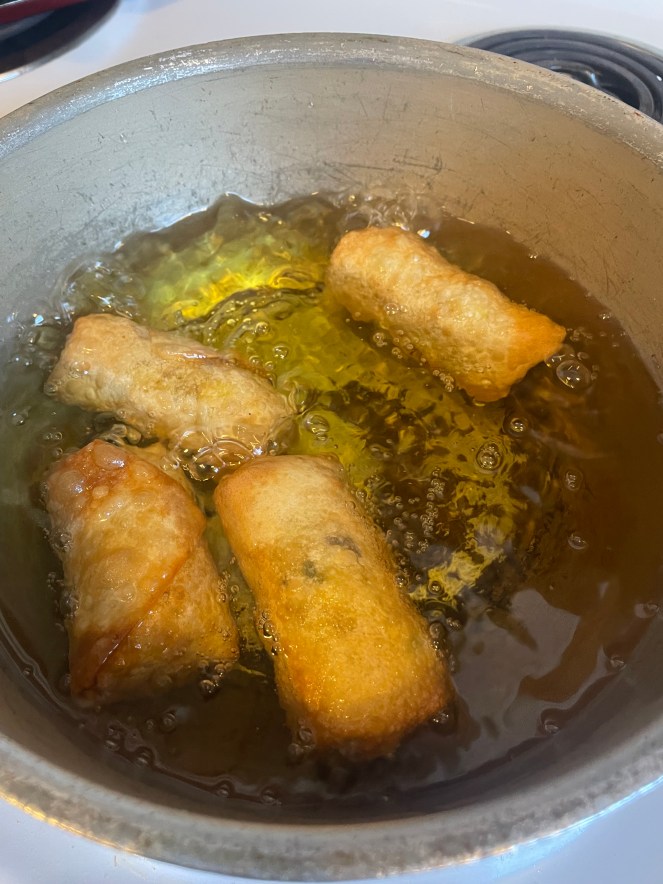
Using premade egg roll wrappers, I wrapped each egg roll individually and fried them for about 8 minutes, turning as needed, until they were golden and crisp.

5. Serve

I served them with a homemade soy sauce dipping mixture, and that was dinner.


Where I Bought My Ingredients (Weis Markets)

These are not affiliate links — just sharing what worked for me and how I keep vegan meals flavorful, nourishing, and affordable.

Why This Recipe Is a Keeper

What made this meal special wasn’t just the flavor — it was the feeling. Trying something new, trusting myself in the kitchen, and watching my family enjoy it made the whole process feel rewarding.

The tofu held up beautifully, the sweet potatoes added warmth and balance, and the banana peppers gave just the right kick. For a first attempt, I couldn’t have asked for better results.


Looking Ahead

This recipe definitely opened the door for me. I’m excited to keep experimenting with more Asian-inspired vegan dishes — not just to keep things fresh, but to remind myself that this journey can be creative, joyful, and full of new favorites.

If this was my first attempt, I can’t wait to see what comes next.

Gardening

Garden Update: Ready to Grow, Learning to Wait

Right now, my garden feels like it’s holding its breath — and so am I.

I have my seeds.

I have my starter pods.

I even have the garden layout mapped out and ready to go.

And yet… I’m pausing.

As excited as I am to start my seeds, I’m being intentional about when I begin. Living in a climate where late frosts are still a possibility, I’ve learned that starting too early can undo weeks of careful planning. Losing seedlings to an unexpected cold snap is frustrating — and avoidable — if you’re willing to wait.

This season, I’m choosing patience

Why I’m Waiting to Start My Seeds

Seed starting is one of the most exciting parts of gardening. It’s where hope takes shape. But timing matters just as much as enthusiasm.

Right now, my hesitation comes down to one thing: our last frost date.

Even with grow lights and starter pods ready, planting too soon can mean:

weak seedlings that outgrow their containers stressed plants when it’s time to transplant or worse — losing them entirely to cold temperatures

I’ve learned that starting seeds at the right time is just as important as starting them at all.

What I’m Doing Instead (And Why It Still Counts as Progress)

Even though seeds aren’t in the soil yet, the work hasn’t stopped.

Here’s what I have been doing:

Reviewing my garden diagram and spacing plans Organizing seeds by indoor vs. direct-sow crops Prepping starter pods and trays Refreshing my memory on frost dates for my zone Making a short list of which plants truly benefit from early starts

This stage of gardening — the quiet planning — sets the tone for the entire season.

Trusting the Process

Gardening has taught me that rushing doesn’t lead to better results. The soil warms when it’s ready. The seeds sprout when conditions are right. And sometimes, the most responsible thing a gardener can do is wait.

I’m excited. I’m prepared. And when the timing is right, I’ll be ready to move quickly and confidently.

For now, I’m honoring the pause.

What’s Coming Next

Once we’re closer to our last frost date, I’ll be:

starting select seeds indoors hardening off seedlings slowly preparing beds for transplanting and sharing updates on what’s thriving

This season already feels promising — and it hasn’t even started yet.

Sometimes growth begins long before anything breaks the surface.

Recipes

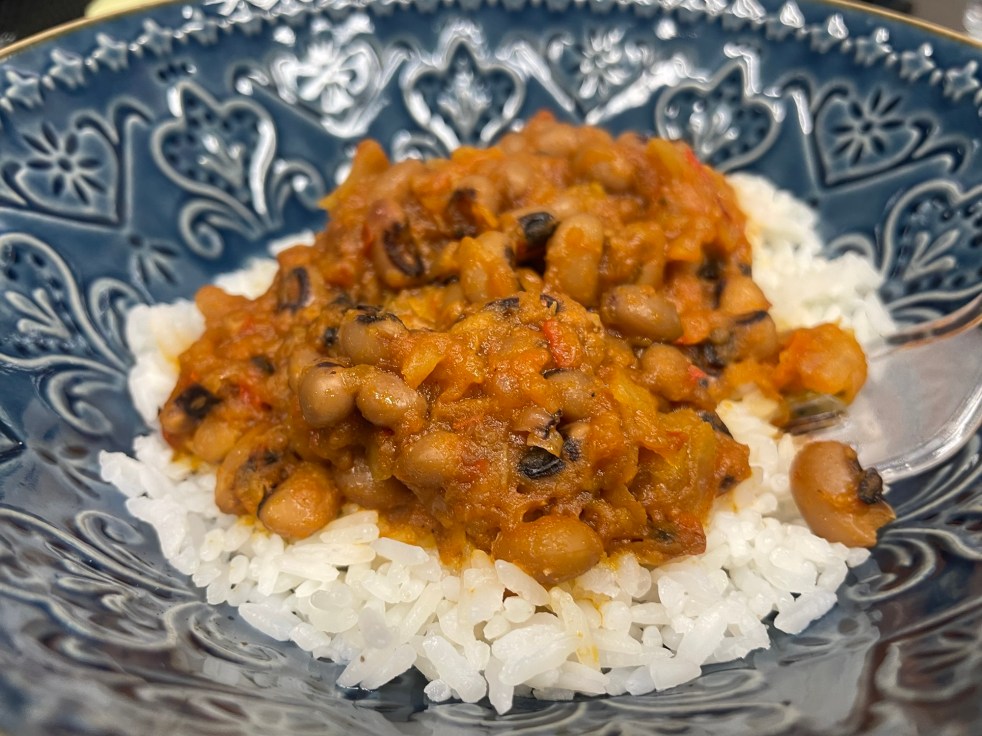
Vegan Stewed Black-Eyed Peas with Tofu (A Family Favorite)

Some of my favorite meals are the ones that come together quietly — no measuring cups everywhere, no rushing, just cooking by feel and adjusting as I go. This vegan version of stewed black-eyed peas is one of those dishes.

I’ve been making some version of black-eyed peas for years, but recently I started experimenting with tofu as a protein swap — and to my surprise, my family really loves it this way. The tofu soaks up all the flavor from the stew, the peas make it hearty and comforting, and the whole dish feels both familiar and new.

This is the kind of meal I make when I want something filling, nourishing, and deeply satisfying — without meat.


Ingredients

  • 1 block firm tofu
  • 1 cup uncooked black-eyed peas
  • Oil (for frying and for the stew)
  • 2 onions
  • 1 bell pepper
  • 1 steak tomato
  • ½ tube tomato paste

Seasoning Mix

(I cook by instinct, so adjust these to your taste)

  • Chili pepper
  • Garlic powder
  • Onion powder
  • Ginger
  • Turmeric
  • Salt
  • Cayenne pepper

Instructions

1. Prepare the Base

  • Rinse and cook the black-eyed peas in water on medium heat for about 30 minutes, or until they begin to soften. Set aside.
  • Cube the tofu and fry it in oil until lightly golden. Remove and set aside.

2. Build the Stew

  • In a food processor, blend the onions, bell pepper, and tomato until smooth.
  • In a pot or deep skillet, heat oil and add the blended vegetables.
  • Let the mixture cook for about 10 minutes, stirring occasionally, until it thickens and the raw tomato flavor cooks down.

3. Season & Simmer

  • Add your seasoning mix and let it cook for another 5 minutes, allowing the spices to bloom.
  • Stir in the tomato paste until fully combined.
  • Add the cooked black-eyed peas and the fried tofu.
  • Lower the heat to low–medium and let everything simmer for about 30 minutes.

During this time, taste and adjust seasoning as needed. You’re looking for tender peas, well-seasoned sauce, and tofu that’s fully infused with flavor.


How We Serve It

This stew is hearty enough to stand on its own, but it also pairs beautifully with:

  • rice
  • crusty bread
  • or a simple side of steamed greens

Leftovers taste even better the next day, once the flavors have had time to deepen.


Cooking by Instinct

I don’t measure my spices because every pot tells me what it needs. Some days it wants more heat, other days more warmth. That freedom is part of what makes cooking feel grounding to me — especially as I continue exploring plant-based versions of dishes my family already loves.

This one is definitely staying in our rotation.

If you try it, feel free to make it your own. That’s the beauty of a good stew.

Gardening · Gardening

Spring Garden Plans: Preparing the Soil & Setting Intentions

Garden Updates | Spring Garden Series – Part 1

https://substackcdn.com/image/fetch/%24s_%21b-R5%21%2Cf_auto%2Cq_auto%3Agood%2Cfl_progressive%3Asteep/https%3A%2F%2Fsubstack-post-media.s3.amazonaws.com%2Fpublic%2Fimages%2F6f04b69f-a587-4107-b68c-df5342fb8868_2966x2222.jpeg
https://cdn.mos.cms.futurecdn.net/kc6cpc7NKYHFfP5TyskuGC.jpg
https://homesteadandchill.com/wp-content/uploads/2020/01/homestead-chill-garden-plan-scaled.jpg

After the quiet of winter, I’ve started easing back into the garden—not by planting right away, but by preparing the space where everything will grow.

Over the past few weeks, I’ve been clearing out my garden beds, removing old growth, and giving the soil some much-needed care. I added compost to replenish nutrients and laid down hay to protect the beds, retain moisture, and allow the soil to rest while the weather finishes deciding what it wants to do.

This stage of gardening is slower and quieter, but it’s one of my favorites. It reminds me that growth doesn’t begin when seeds go into the ground—it begins with preparation.


Starting Seeds Indoors

With the outdoor beds resting, my next step is starting seeds indoors this coming weekend. Seed starting always feels hopeful to me. It’s a way to stay connected to the garden while honoring the last frost date and the natural rhythm of the season.

I keep things simple—seed trays, soil, light, and patience. These early starts will be ready to transition outside once spring settles in.


Garden Layout & Planting Intentions

I’ve also been sketching out my garden layout to help me think through spacing, companion planting, and how different plants support one another. This doesn’t have to be perfect—just intentional.

Here’s the plant list inspired by my current layout plan:


Spring Garden Plant List

Vegetables and Fruits

  • Tomatoes
  • Peppers (bell & other varieties)
  • Cucumbers (with trellis support)
  • Zucchini
  • Potatoes
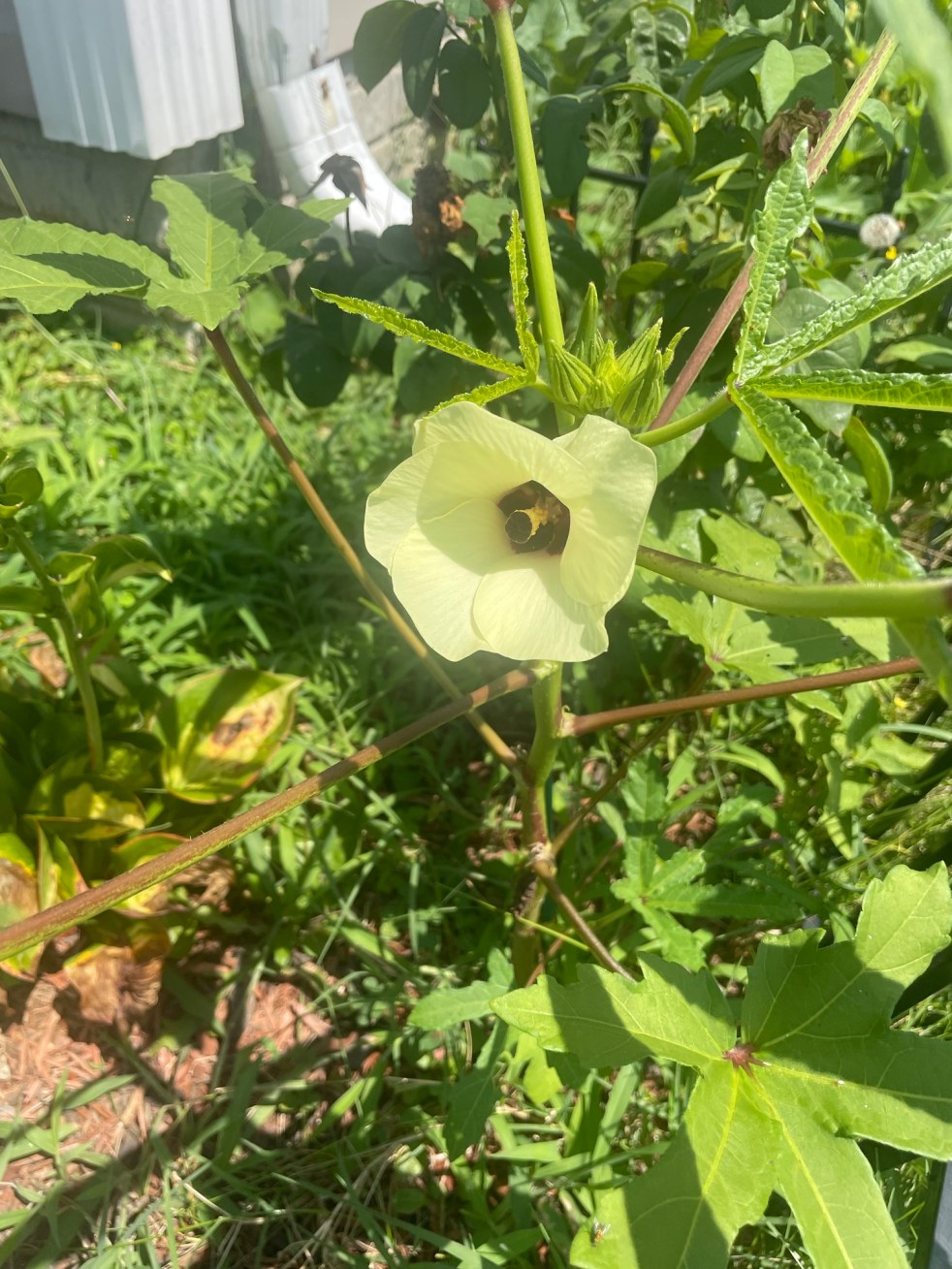
  • Okra
  • Corn
  • Sweet Potatoes
  • Melons
  • Strawberries
  • Lettuce
  • Kale
  • Cabbage

Herbs

  • Basil
  • Dill
  • Parsley
  • Oregano
  • Sage
  • Garlic (already established / overwintered)

Flowers & Pollinators

  • Zinnias
  • Nasturtiums (woven throughout beds)
  • Calendula
  • Chamomile
  • Coneflower
  • Echinacea

These choices support pollinators, improve soil health, and encourage a balanced garden ecosystem—not just productivity.


Why I Plan Before I Plant

Mapping things out helps me stay flexible while still being intentional. It allows me to think about airflow, sunlight, harvest timing, and how my garden functions as a whole rather than a collection of individual plants.

For now, the beds are resting under compost and hay, and the seeds are getting ready to wake up indoors. Spring will come when it’s ready—and so will the garden.


Spring Garden Series

This post is Part 1 of my spring garden series. Over the next few weeks, I’ll be sharing:

  • Seed starting progress
  • Bed planting updates
  • Companion planting wins (and lessons learned)
  • Early harvests and seasonal adjustments

Join the Conversation

If you’re planning your spring garden, I’d love to hear about it.
What are you growing this year—or what are you thinking about trying for the first time?

Feel free to share in the comments or follow along as the season unfolds.

Health & Fitness · Health & Fitness

Closing the Year with Intention: A Reflection on 2025 and What’s Coming in 2026

As the year comes to an end, I’ve been taking time to slow down, breathe, and look back at everything 2025 brought into my life — the growth, the challenges, the small joys, and the big victories. This year has been a season of showing up for myself in deeper, more intentional ways. It has been a year of rediscovering my voice, nurturing my creativity, strengthening my body, and creating traditions that reflect who I am becoming.

I entered this year wanting stability and connection — and I’m ending it feeling grounded, hopeful, and proud.

Here is a look back at the year through each of the four corners of this blog: health & fitness, reading, gardening, and recipes — the spaces where so much of my growth took root.


💪 Health & Fitness: A Year of Movement and Milestones

This year, I ran more races than I ever have before — and I pushed myself farther than I knew I could go. From the Turkey Trot I ran with my daughter to the Blue and Gray Half Marathon, each finish line taught me something new about my resilience, discipline, and joy.

I set personal records. I found strength in early mornings and in quiet miles. I learned to trust my body again. And perhaps most importantly, I found confidence — the kind that comes from showing up even when you’re tired, overwhelmed, or unsure.

Running became a reflection of my healing: slow, steady, and deeply personal.


📚 Book Club: Choosing Courage, Creativity, and Connection

My book of the month, Year of Yes by Shonda Rhimes, could not have been more timely. Reading it reminded me to stretch, to take up space, and to lean into the opportunities that make me feel alive. Her voice pushed me to say “yes” to myself — yes to rest, yes to creativity, yes to courage.

And that energy followed me straight into my writing.

Book Two of my Tidewalker series began taking shape in new and exciting ways. I made progress on Ezra’s internal journey, deepened Grandmother Fatu’s backstory, and built the tension between the two worlds in ways that feel richer and more purposeful.

This was also the year I became more consistent with my blog — saying “yes” to sharing my voice, my journey, and my creativity with others.


🌱 Garden: Lessons from the Soil

My garden was one of my grounding spaces this year. From planting collards that ended up on our Thanksgiving table to experimenting with new vegetables and learning more about what my soil needs, gardening reminded me to slow down, stay patient, and trust the process.

Some plants thrived, some didn’t, and all of it taught me something.

Next year, I’m excited to bring the garden back to life in the spring — with new layouts, new crops, and a renewed appreciation for what grows when you nurture it with intention.


🍽️ Recipes: A Year of Flavor, Culture, and Tradition

Cooking has always been a form of connection for me — to my family, to my culture, and to my creativity. This year, I shared some of my favorite recipes, from sweet potato pie to sweet potato rolls (the only version my youngest gladly accepts!).

Food remains a place where tradition meets innovation in my home — a way to honor my Sierra Leonean roots while creating new memories with my children.

In 2026, I’m planning to share more dishes inspired by Mama Africa, more home-baked favorites, and possibly a cultural cooking series that highlights flavors from across the continent.


✨ Looking Ahead: What’s Coming in 2026

As I step into the new year, I’m carrying a deep sense of clarity about what I want — and what I’m ready to grow into.

Here’s a preview of what’s ahead:

📘 Book Two Release Timeline

I’ll be sharing more concrete updates early in the year, including sneak peeks, character insights, and details on when you can expect the next Tidewalker installment.

🌿 A New Garden Season

I’m already planning my spring planting: herbs, collards, vegetables, and maybe a few new experiments.

🍲 New Recipes + A Cultural Cooking Series

2026 will bring new flavors to the blog — including traditional dishes, West African favorites, and original recipes inspired by my roots.

📝 2026 Blog Themes

Next year, I’ll continue rotating through Health & Fitness, Book Club, Gardening, and Recipes — with a deeper commitment to consistency, reflection, and creativity.

❤️ Personal Goals

Above all, 2026 will be a year of:

  • emotional wellness
  • rest
  • travel
  • continued healing
  • and choosing courage, both quietly and boldly

Thank You for Being Here

Ending this year with gratitude feels right. Thank you for reading, for showing up, and for taking this journey with me. Whether you’re here for the recipes, the reflections, the stories, or the updates — I’m truly grateful.

Here’s to a year of growth behind us, and a year of intention ahead.

See you in 2026. 🌿✨

Recipes

Holiday Sweet Potato Rolls: A Family Favorite (Even for the Picky Eaters!)

A Short Story From My Holiday Kitchen

The days leading up to Thanksgiving always feel like a quiet dance in my kitchen — not rushed, not frantic, just intentional. Over the years, I’ve learned to start preparing certain parts of our holiday meal days in advance. Not because I love being ahead of schedule (though it helps!), but because life has required it.

I’ve worked through many major holidays, sometimes only catching a few hours at home before heading back out again. And because of that, I had to learn how to create a holiday rhythm that made room for both my responsibilities and my children. A rhythm that allowed them to experience the joy of the season without feeling the absence of my schedule.

So I plan. I chop, mix, and prep early. I build flavors slowly. I tuck things away in the fridge and freezer like little promises to myself. I do it so that when the holiday arrives, I’m not drowning in tasks — I’m emotionally present, grounded, and able to enjoy those pockets of time with my kids, whether I’m home all day or just long enough to share a meal and laugh together.

And somewhere in the middle of all that preparation, these sweet potato rolls were born.

They came from a simple desire:
to help my youngest see the beauty and versatility of sweet potatoes — and to make sure they never felt like they were missing out on a food their siblings enjoyed.

They also became a symbol of my kind of holiday magic: finding small ways to stretch time, stretch love, and stretch tradition so my family gets to feel whole even on the days I’m balancing a lot.

These rolls have earned their place on our Thanksgiving table — soft, warm, and welcoming to even the pickiest eater in the house.


Every family has that one ingredient someone just can’t get behind — and in my house, that ingredient has always been sweet potatoes. My youngest has never been a fan, no matter how I bake them, mash them, roast them, or season them.

So over the years, I’ve made it my quiet mission to find ways to introduce sweet potatoes that highlight how versatile (and delicious!) they really are. I’ve tried plenty of versions, but only one has earned a full stamp of approval:

Sweet Potato Rolls.

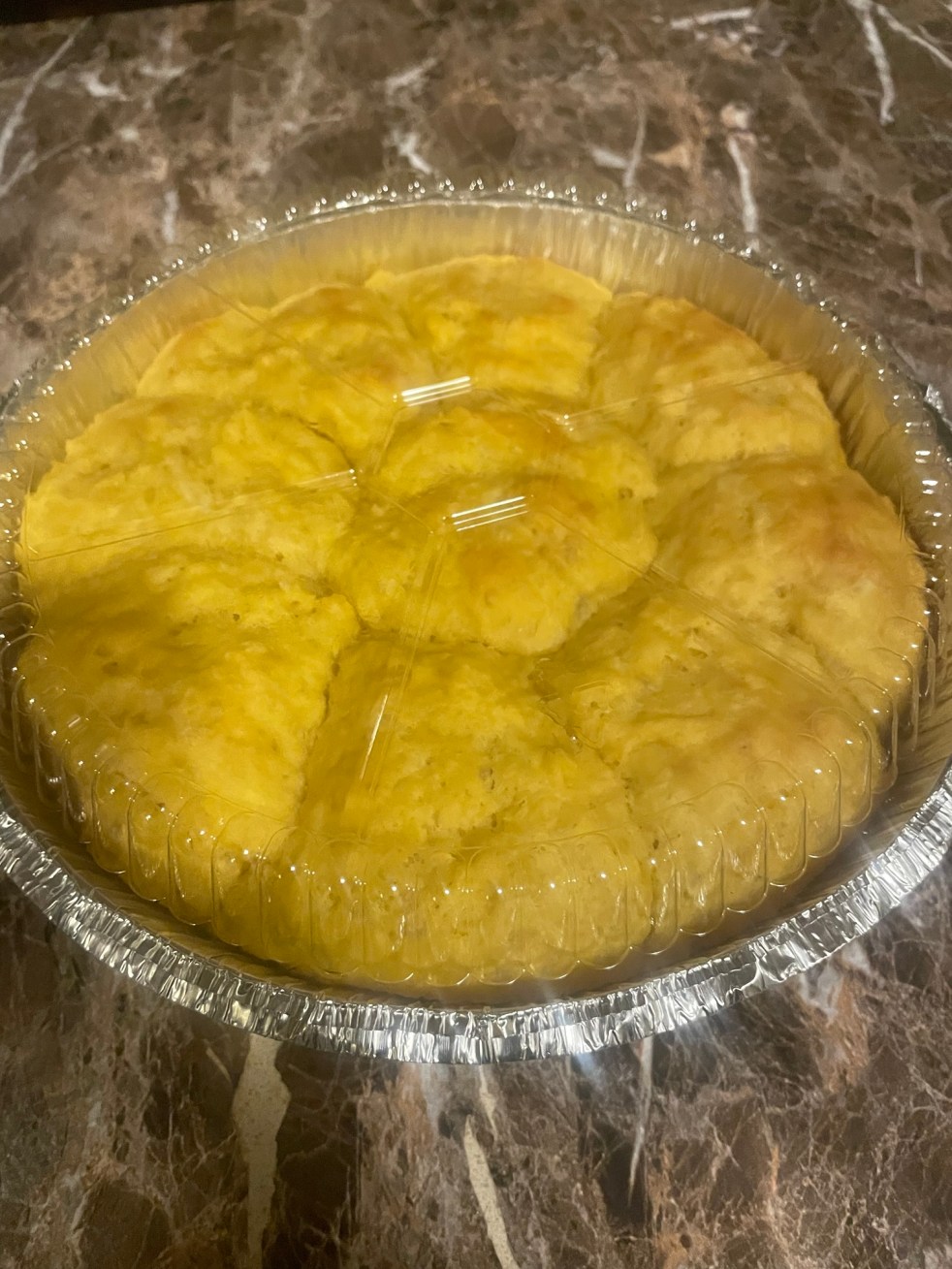
Soft, slightly sweet, beautifully golden, and perfect for soaking up gravy or eating warm right off the pan — these rolls made their way onto our Thanksgiving table this year, and they did not disappoint. In fact, this is the only sweet potato recipe my youngest happily eats, which makes it even more special.

Whether you’re preparing for a holiday dinner or simply want a cozy roll recipe for the winter season, these sweet potato rolls are warm, comforting, and surprisingly easy to make.


Ingredients

For the dough

  • 1 cup pureed sweet potato
  • 1 cup (240 ml) room-temperature yogurt
  • 4 tbsp (57 g) unsalted butter, melted
  • 2 whole eggs, lightly beaten
  • 2 tbsp raw cane sugar
  • 2 1/4 tsp (1 packet) instant yeast
  • 1 1/2 tsp fine sea salt
  • 4 3/4 cups flour

For baking

  • 1/2 stick melted butter

Instructions

Make the Dough

  1. In the bowl of a stand mixer, combine the yogurt, melted butter, eggs, cane sugar, yeast, and sweet potato.
  2. Add the salt and 2 cups of flour, stirring for about 1 minute.
  3. Switch to medium-low speed and gradually mix in the remaining flour. Knead until a dough forms.
  4. Increase to medium-high speed and continue kneading for about 5 minutes, until the dough becomes soft, smooth, and slightly tacky.
    • If it’s too sticky, add flour a little at a time until manageable.
  5. Lightly spray a clean bowl with cooking spray. Place the dough inside, cover with a clean kitchen towel, and let it rise for 45 minutes to 1 hour, or until doubled in size.

Shape & Bake the Rolls

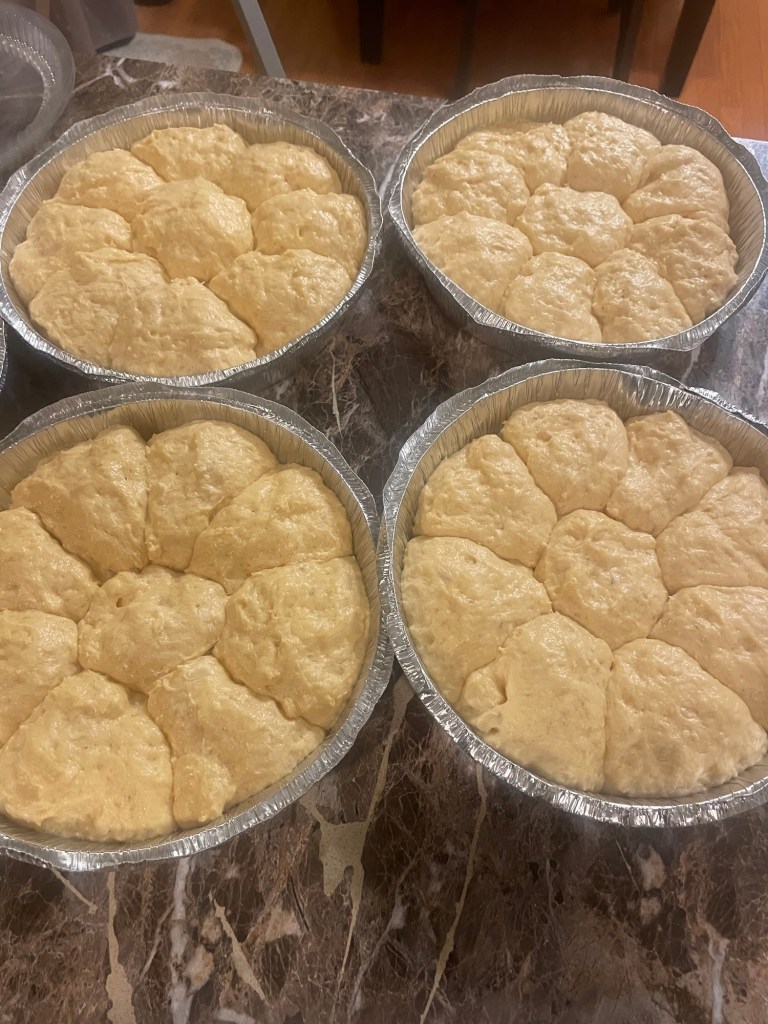
  1. Prepare a baking pan by spraying with cooking spray. Divide the dough into equal pieces and shape each into a smooth ball.
  2. Brush each roll with melted butter. Cover lightly with a kitchen towel and let rise for another 30 minutes, or until puffy.
  3. Preheat the oven to 375°F.
  4. Bake the rolls for 15 to 20 minutes, or until beautifully golden brown.
  5. Serve warm. Store leftovers in an airtight container or freezer-safe bag.

A Small Sweet Victory

What makes this recipe so meaningful isn’t just the flavor or the softness of the rolls — it’s the fact that they brought sweet potatoes back into our Thanksgiving meal in a way that made everyone happy, even my pickiest eater.

Sometimes the best recipes are the ones that quietly solve a family dilemma and create a new tradition at the same time.

Gardening · Gardening

🌿 Garden Update: Collard Greens Growing Strong & A Sweet Potato Harvest Worth Celebrating

There’s something deeply healing about watching food grow with your own hands. This month, my garden has been a quiet reminder that even when life feels heavy or uncertain, growth is still happening—sometimes slowly, sometimes quietly, but always with purpose.
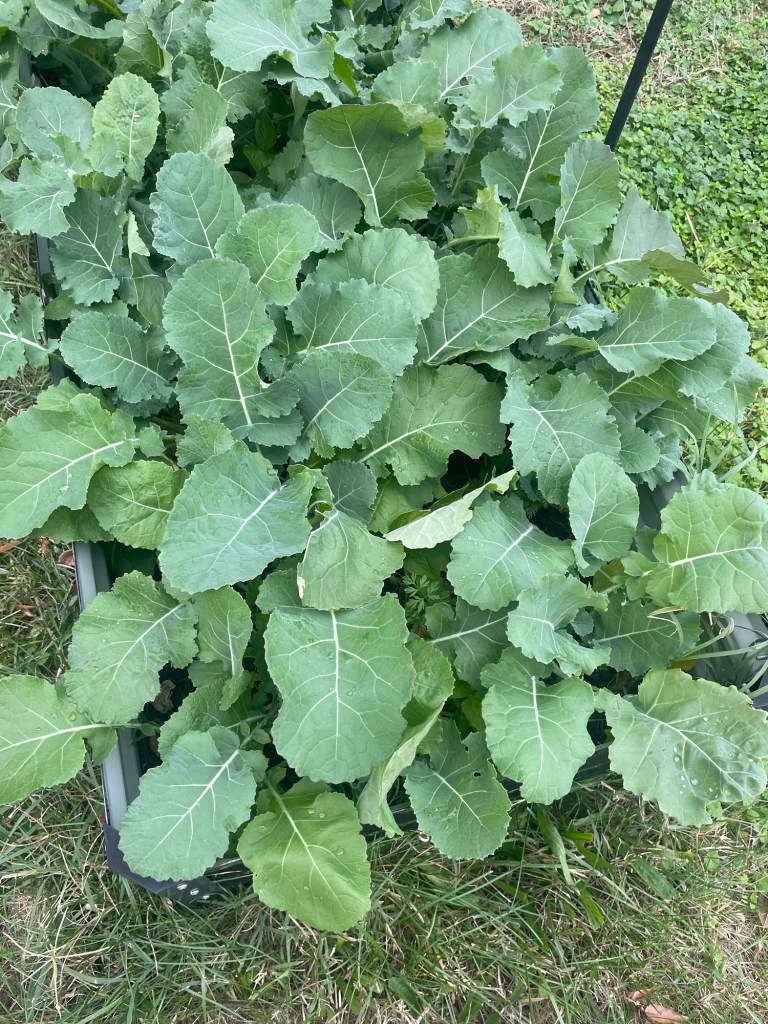
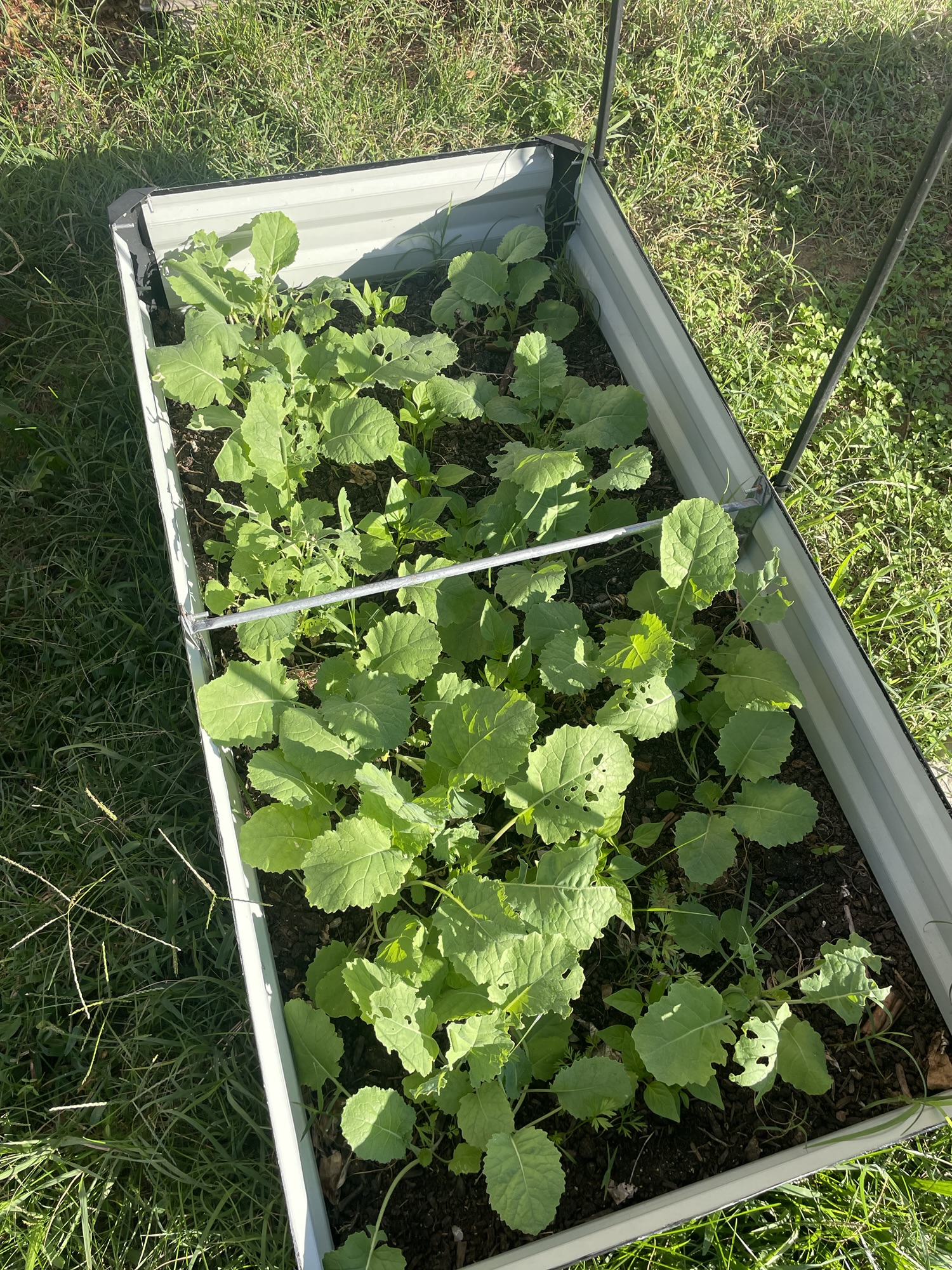
My collard greens are coming along beautifully this season. Their leaves are thick, vibrant, and full of life, and every time I walk outside to check on them, I feel that familiar sense of grounding. There’s nothing like seeing your greens respond to the care you’ve given them—sunlight, watering, patience, and a little love. Collards have always reminded me of family, tradition, and resilience, so watching them thrive feels like a gift I didn’t know I needed.

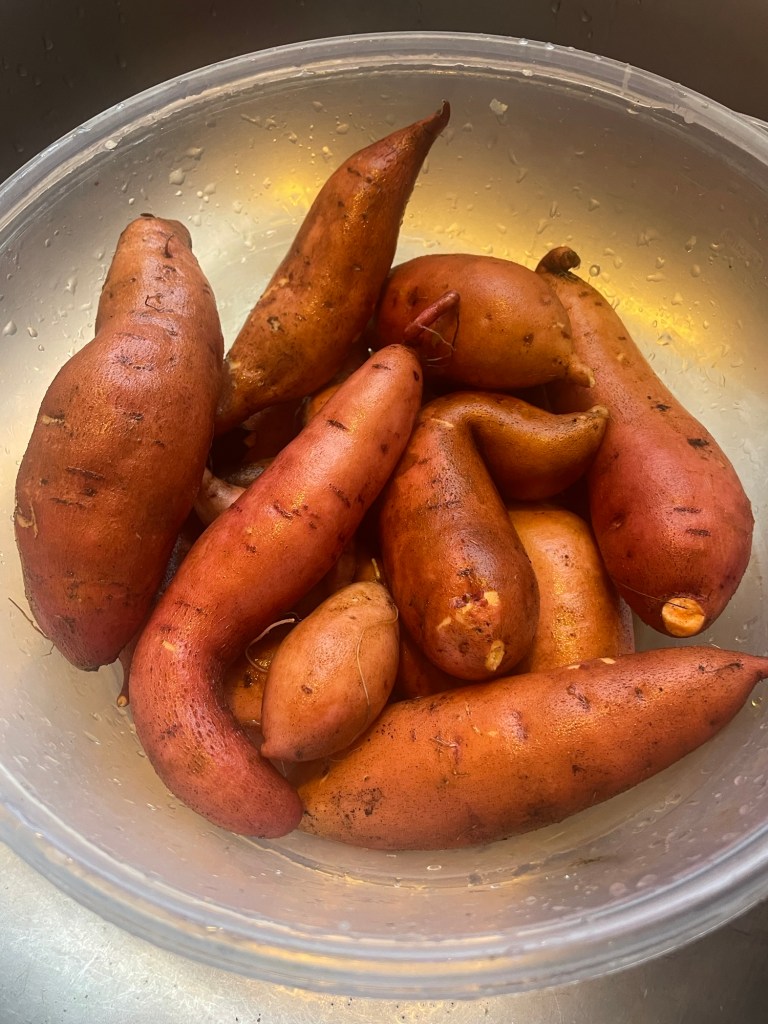
I also harvested my sweet potatoes, and let me tell you—they did not disappoint. Pulling them from the soil felt like uncovering treasure. There’s something magical about it… one moment it’s just soft earth, and the next you’re holding nourishment that you planted months ago. My sweet potatoes grew in all different shapes and sizes, but each one felt like a little victory.

This week, I’m planning to put them to good use in my kitchen.
I’ll be making a sweet-potato pie and some sweet-potato rolls for my family—recipes that bring warmth into the house and make everyone drift toward the kitchen to see what’s baking. Cooking with ingredients from my own garden always feels special. It’s more than just food; it’s love, work, and intention all coming together on a plate.

As I look at what’s growing now and what’s being harvested, I’m reminded that the garden is a reflection of the season I’m in: nurturing, patient, hopeful. Things take time to root. They take time to bloom. And when they finally do, the reward is deeper than the harvest—it’s the reminder that growth is still happening in me, too.

I can’t wait to share more next month, but for now, I’m grateful for greens, sweet potatoes, and the simple joy of feeding the people I love.

As I look at what’s growing now and what’s being harvested, I’m reminded that the garden is a reflection of the season I’m in: nurturing, patient, hopeful. Things take time to root. They take time to bloom. And when they finally do, the reward is deeper than the harvest—it’s the reminder that growth is still happening in me, too.

I can’t wait to share more next month, but for now, I’m grateful for greens, sweet potatoes, and the simple joy of feeding the people I love.

And if you’re curious about what I’m making with my harvest, stay tuned — next Monday’s post will feature the sweet-potato pie and rolls I’m baking for my family.

Gardening · Gardening

Fall in Bloom | Gardening, Growth & Gratitude by Lulu Lee

🍂 Fall in Bloom: The Progress and Peace I’ve Found in My Autumn Garden

🌱 Nurturing Growth in the Fall

This season, my garden is teaching me about patience, purpose, and quiet hope.
After a long summer, stepping outside to see new life pushing through the soil feels like a gentle reward — a reminder that growth doesn’t stop just because the seasons change.

My fall garden is thriving with collard greens, steak tomatoes, carrots, russet potatoes, sweet potatoes, green beans, basil, cucumbers, beets, cabbage, and bell peppers. Each plant, in its own way, reflects where I am in life right now — steady, persistent, and learning to flourish through transition.

If you’re curious about what I’m using, you can find the same ones here:


🍅 Seeing Progress, Feeling Peace

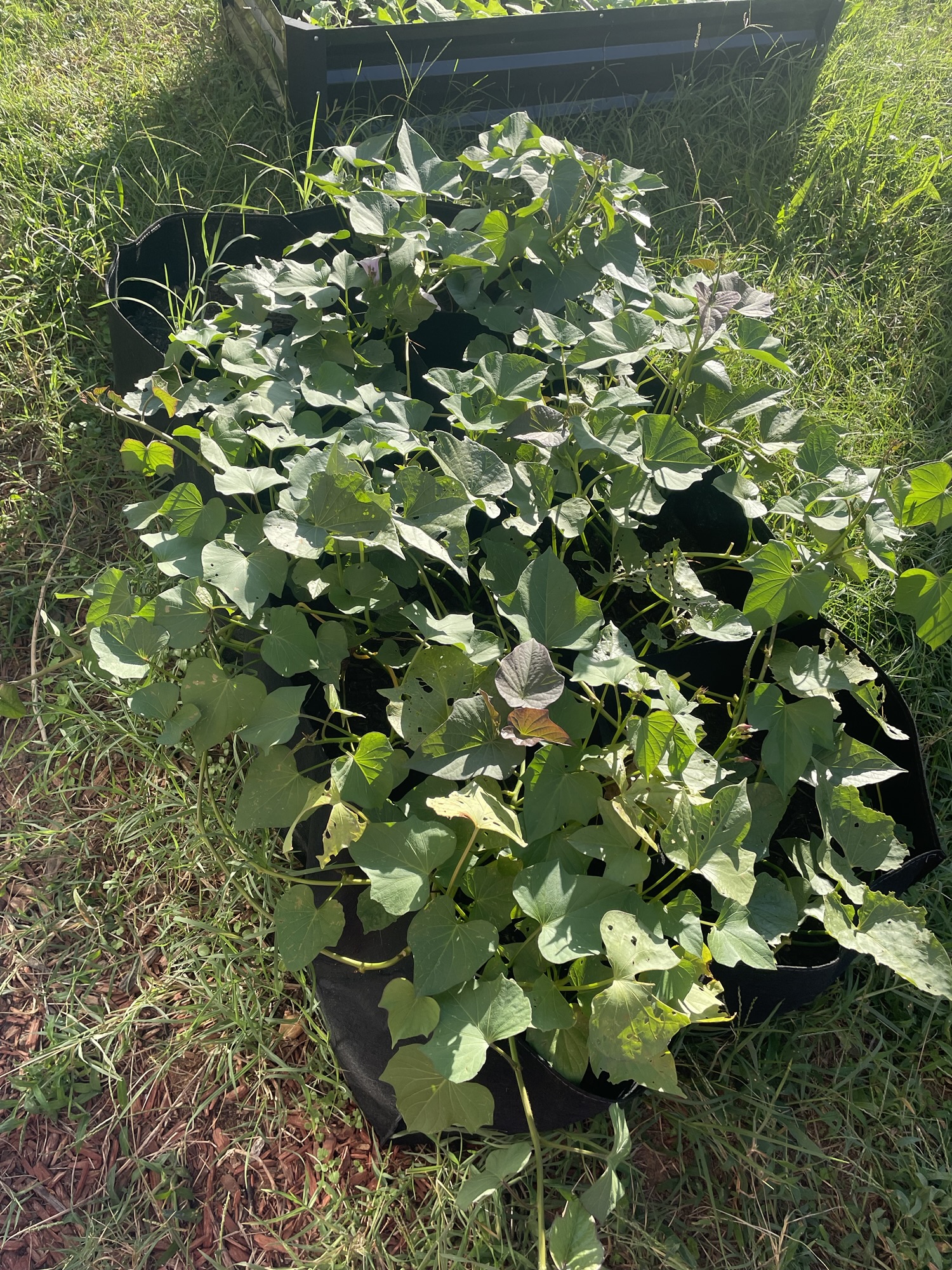
Some beds are overflowing, while others are still finding their rhythm. My tomatoes have begun to climb again, pushing through the last warm days of fall, while the sweet potato vines spread like soft green blankets over the soil.

I’m grateful for every small sign of progress — every new leaf, every bit of green pushing through the dirt. These moments remind me that growth isn’t always loud or immediate. Sometimes, it’s simply about showing up, watering consistently, and letting time do its work.


🌸 The Beauty Beyond the Harvest

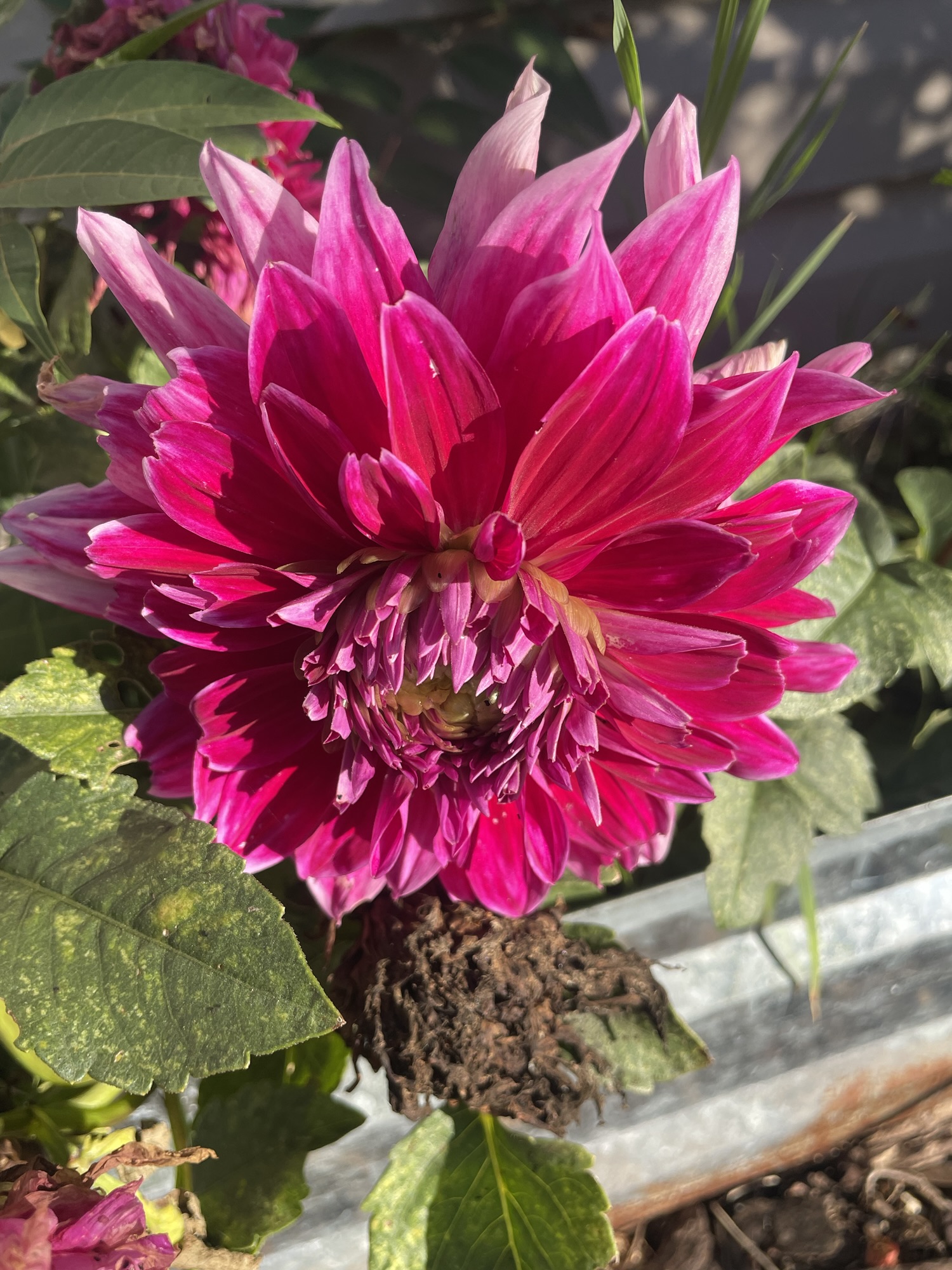
Beyond the vegetables, my flowers have been putting on their own quiet show — bursts of color that make me stop and smile, even on busy days.

These blooms remind me to look beyond productivity and yield — to appreciate the peace that comes from simply being outside, hands in the soil, surrounded by the hum of life.


🌿 Gratitude for the Process

Out here, I feel still. I can hear my thoughts soften. The garden gives me space to reflect on my days — the challenges, the growth, and the gratitude that anchors me.

Even when I’m pulling weeds or pruning back overgrown vines, I feel thankful — thankful for the quiet moments, the lessons in patience, and the sense of peace that only nature can offer.

Every bed, every leaf, every bit of soil carries a small prayer of hope — that what I nurture now will one day feed me and my family, not just in body but in spirit.


💭 Reflection Prompt for Readers

Take a moment this week to step outside — even if it’s just your porch, a park, or your own small garden.
What’s one thing in nature that reminds you to slow down, feel grateful, or keep growing?

Share your reflections in the comments — I’d love to hear what brings you peace this season. 🌸

Gardening · Gardening

🌱 Starting My Fall Garden: Carrots, Greens & More


There’s something special about the shift from summer to fall. The air cools, the days get shorter, and the garden takes on a new rhythm. Today, I kicked off my fall planting season. I couldn’t be more excited to see how it all turns out.


My Fall Crops

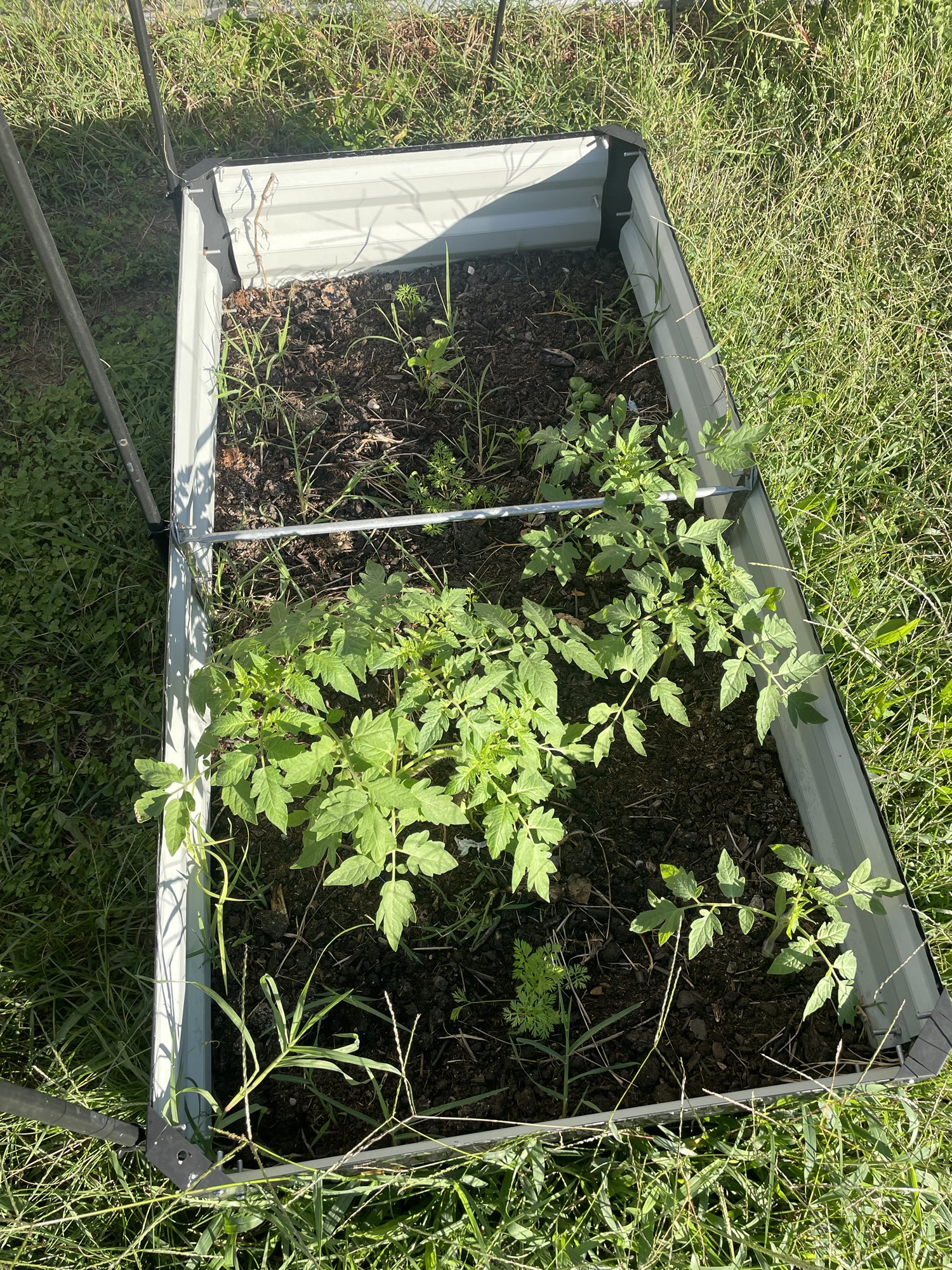
I used three garden beds to start my fall crops this year. Here’s what went into the soil today:

  • 🥕 Carrots – A classic root crop that loves cooler weather.
  • 🍅 Steak Tomatoes – Big, juicy, and full of flavor—hoping for a late harvest.
  • 🥬 Beets – Earthy and nutrient-packed.
  • 🌿 Collard Greens – A Southern staple that thrives in the fall.
  • 🥬 Cabbage – Perfect for soups, slaws, and fermenting.
  • 🥔 Potatoes – Always satisfying to dig up at harvest time.
  • 🌶️ Bell Peppers – A pop of color and flavor for meals.
  • 🌱 Spinach – Quick-growing and versatile in the kitchen.

✨ Why Fall Gardening Excites Me

Fall is one of my favorite times to garden. The pests slow down, the heat isn’t so intense, and the harvests are hearty and grounding. Starting fresh beds always feels like a clean slate, full of potential.

This year, I’m especially excited about the greens—collards and spinach—and the challenge of getting good potatoes before the ground freezes.


💡 Tips I’m Following

  • Rotate crops so the soil stays healthy.
  • Keep mulch handy to protect against early frosts.
  • Water consistently—fall rains help, but don’t always come on time.
  • Be patient: cooler weather crops can take a little longer.

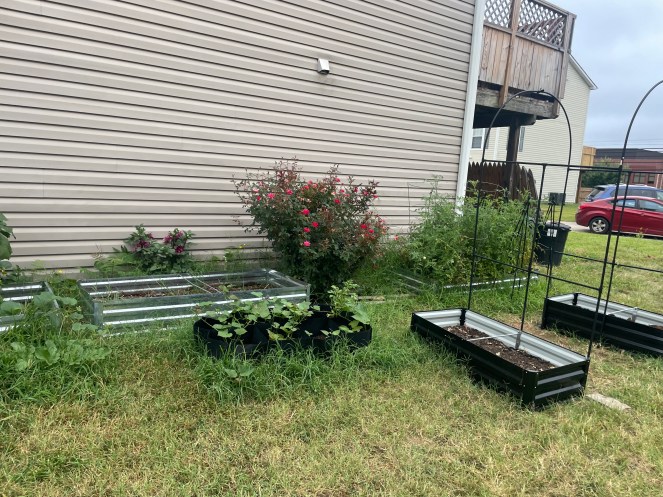
My raised beds


🌟 Final Thoughts

Every season brings new challenges and rewards. I can’t wait to see how these beds grow over the coming weeks. Gardening keeps me grounded, connected, and always learning.

👉 Have you started your fall garden yet? What are you planting this season?