Every morning, before the day asks anything of me, I like to step outside with a cup of coffee and walk through my garden.
Some mornings there are exciting surprises—a new blossom, a tomato beginning to blush, or a pepper that seemed to appear overnight. Other mornings, everything looks exactly as it did the day before.
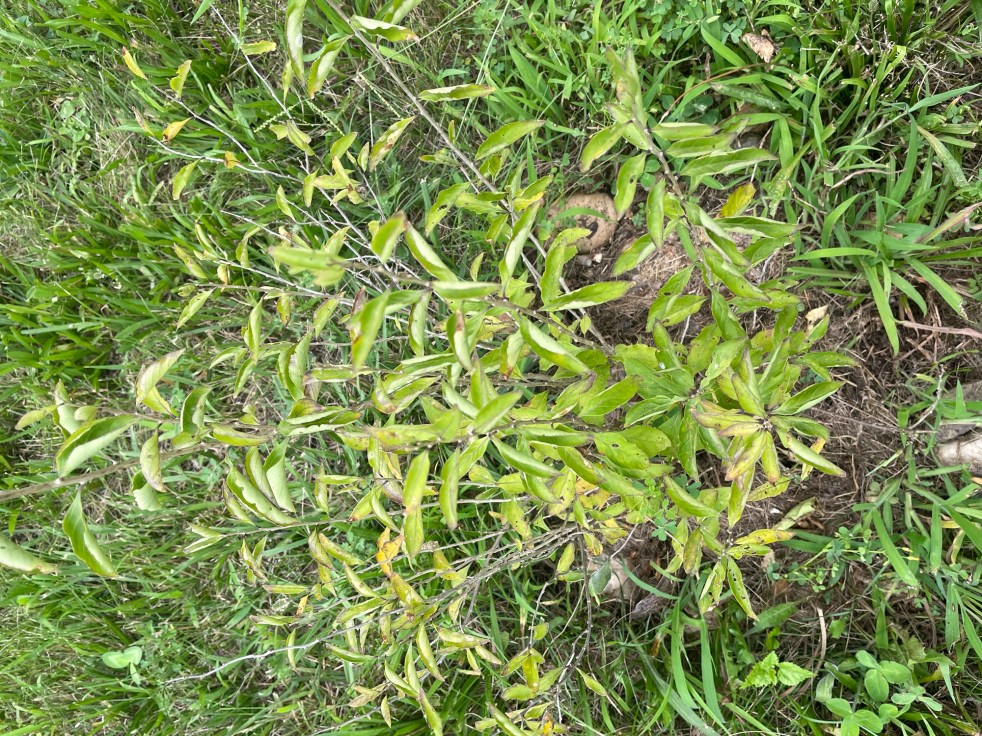
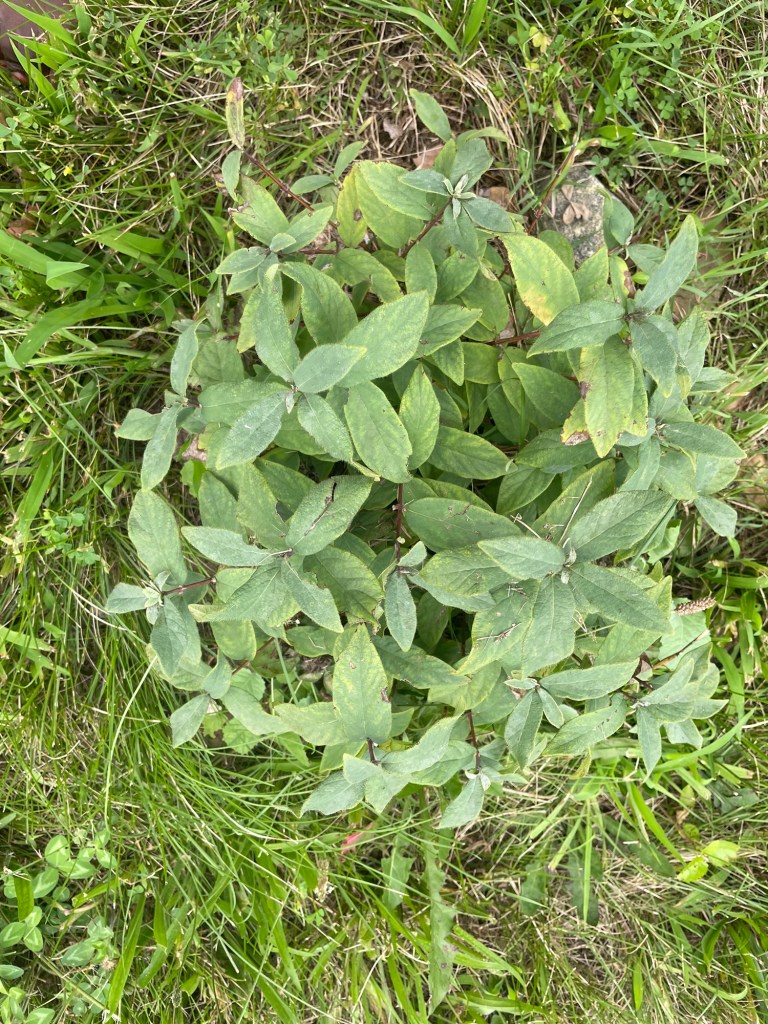
This week, my attention has been on my berry bushes. Instead of looking for fruit, I’ve been focusing on something much less exciting but far more important: the soil beneath them. I added compost, mulch, and nutrients to give them the best chance to thrive in the seasons ahead.
It reminded me that the healthiest gardens aren’t built by chasing quick harvests. They’re built by investing in strong roots.
Life works much the same way.
We often want immediate results. We want the promotion, the stronger body, the thriving friendships, the peaceful home, or the dream we’ve been working toward. But so much of life’s meaningful growth happens where no one can see it.
Roots are growing long before flowers bloom.
This season has reminded me that patience isn’t passive. It’s choosing to water what matters, even when the evidence of progress is still hidden beneath the surface.
One day those berry bushes will reward the care they’re receiving today. Until then, I’ll keep tending the soil.
Maybe that’s a lesson we can all carry with us.
Not every season is meant for harvesting.
Some seasons are meant for growing roots.
What are you nurturing today that may not bear fruit until tomorrow?
Every now and then, you finish a book and realize you’re not quite ready to leave its characters behind. Their stories linger in your thoughts, and you find yourself reflecting on them days after you’ve turned the final page.
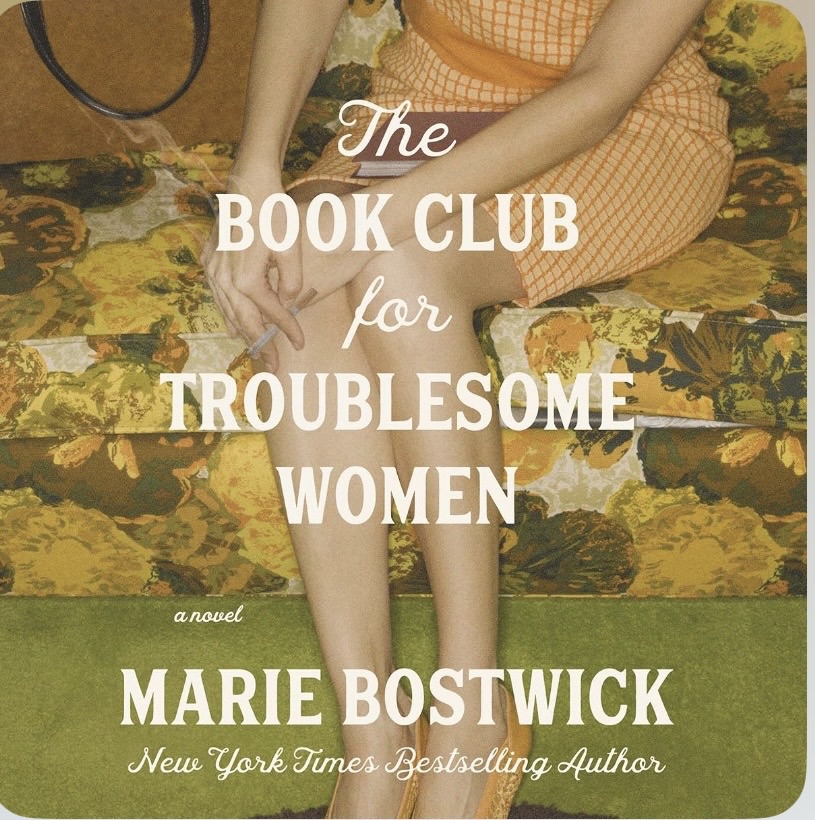
That’s exactly how I felt after reading The Book Club for Troublesome Women.
Chosen as this month’s read for my ladies’ book club, this novel captured my attention from the very first chapter. More than a story about women gathering to read, it’s a heartfelt novel about friendship, courage, self-discovery, and the transformative power of finding your voice. It’s the kind of book that makes you pause, reflect, and appreciate the relationships that shape our lives.
Today, I’m sharing why this book earned a well-deserved five stars from me.
A Story That Resonated with Me
One of the things I loved most about this book was the way the author brought each woman to life. Their struggles, dreams, and relationships felt genuine, making it easy to become invested in their journeys. I found myself cheering them on as they challenged expectations, supported one another, and discovered strengths they didn’t always know they possessed.
While the novel is set in another time, the themes are timeless. We all long for meaningful friendships, the courage to be ourselves, and the freedom to pursue the life we envision. Those are the kinds of stories that stay with me long after I’ve finished reading.
More Than a Book Club
As someone who enjoys getting lost in a great book, I especially appreciated the way books served as a catalyst for connection throughout the story. It’s a wonderful reminder that reading is about so much more than turning pages. Books have a unique way of bringing people together, sparking conversations, and helping us see the world—and ourselves—from a different perspective.
That may be one of my favorite takeaways from this novel.
Why I Loved It
This book made me laugh, reflect, and appreciate the importance of having women in our lives who encourage us, challenge us, and remind us that we’re capable of more than we sometimes believe.
The writing was engaging, the pacing kept me interested, and I genuinely cared about what happened to the characters. By the final chapter, I wasn’t ready to say goodbye.
For me, that’s always the sign of a memorable book.
My Rating
⭐⭐⭐⭐⭐
This was an easy five-star read for me. If you enjoy stories centered on friendship, personal growth, historical fiction, and the enduring power of books, I highly recommend adding The Book Club for Troublesome Women to your reading list.
Let’s Talk Books
Have you read The Book Club for Troublesome Women?
If so, I’d love to hear your thoughts. Did you have a favorite character? Was there a moment that especially resonated with you? Leave a comment below and let’s continue the conversation.
And if you haven’t read it yet, I hope you’ll consider adding it to your next book club—or simply your own “to be read” stack.
For a long time, I thought healing meant getting back to who I was before the trauma.
I thought the goal was to recover the version of myself that existed before the disappointments, betrayals, losses, and difficult experiences that shaped my life.
But lately, I’ve been wondering if healing is something entirely different.
What if healing isn’t about returning to who we were?
What if healing is about discovering who we have been all along?
A few days ago, I had a realization while talking with my children. They helped me see something I had never fully understood.
I have spent years believing there was something wrong with me.
Years believing I wasn’t enough.
Years focusing on my flaws, mistakes, and shortcomings.
Yet the people who know me best saw something very different.
They saw beauty where I saw imperfections.
They saw strength where I saw weakness.
They saw resilience where I saw brokenness.
And it made me wonder how many of us are carrying stories about ourselves that are no longer true.
Trauma has a way of changing the lens through which we view our lives.
It can convince us that we are less capable than we really are.
Less lovable than we really are.
Less worthy than we really are.
The trauma happened.
The pain was real.
But the story we tell ourselves because of the trauma isn’t always accurate.
Healing has taught me that growth doesn’t always look dramatic.
Sometimes it looks like taking a walk when you’d rather stay in bed.
Sometimes it looks like going for a run even when your pace is slower than you’d like.
Sometimes it looks like planting a garden and trusting that something beautiful can grow from the soil.
Sometimes it looks like setting a boundary.
Sometimes it looks like asking for help.
And sometimes it looks like finally seeing yourself through kinder eyes.
The truth is that I am still healing.
I suspect I always will be.
But I no longer see healing as a process of fixing a broken person.
I see it as a process of uncovering the person who has been there all along beneath the fear, the pain, and the self-doubt.
That person is stronger than she realized.
More capable than she believed.
And perhaps even more beautiful than she allowed herself to see.
Maybe that’s what healing really is.
Not becoming someone new.
But finally meeting yourself.
As we recognize PTSD Awareness Month, I hope we can expand the conversation beyond symptoms and diagnoses. Trauma affects real people—people who are raising families, going to work, building gardens, pursuing dreams, and quietly carrying burdens that others may never see.
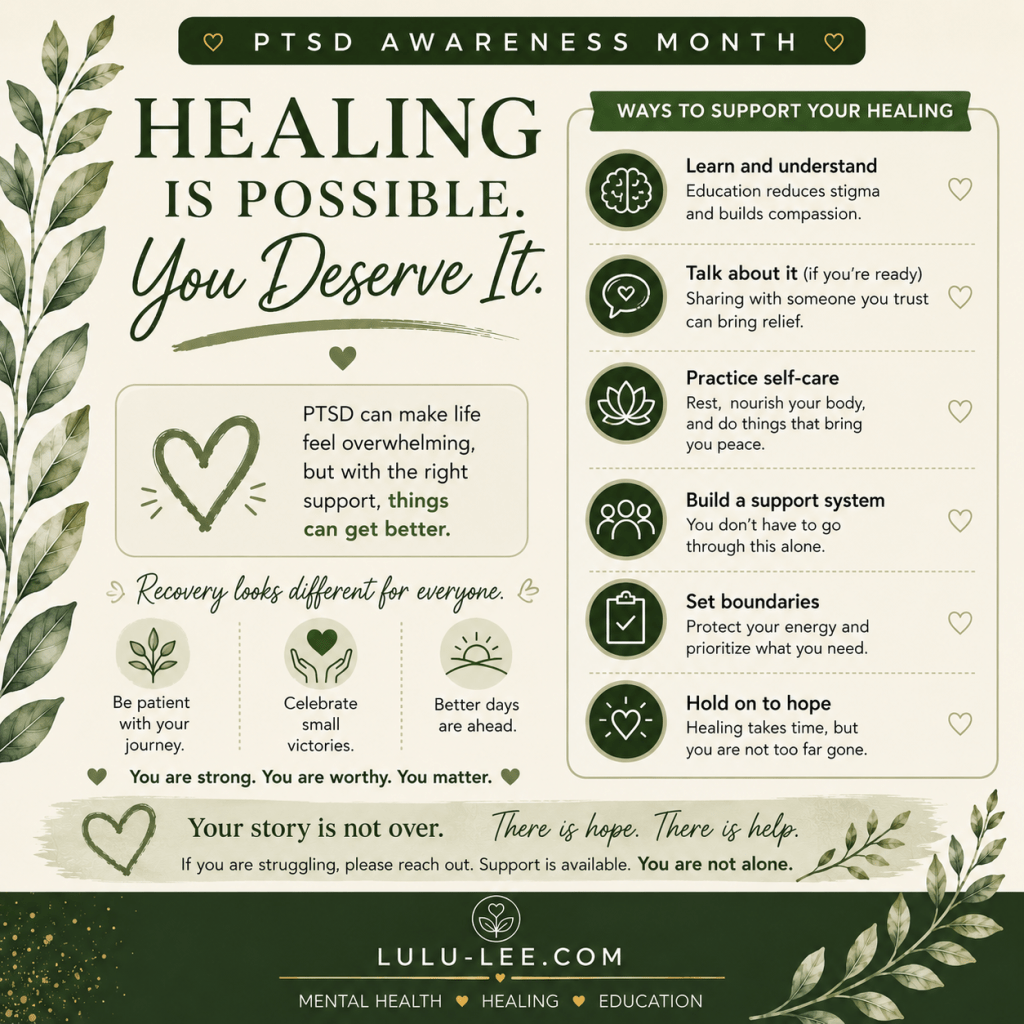
Healing is possible. Recovery is possible. And sometimes the most important discovery is realizing that you were never as broken as trauma led you to believe.
Reflection Question
Have you ever discovered that something you believed about yourself wasn’t actually true?
I’d love to hear your thoughts in the comments.
Trauma has a way of changing the lens through which we view our lives.
PTSD is often misunderstood as something that only affects combat veterans, but trauma can result from many different experiences, including childhood adversity, domestic violence, neglect, medical trauma, accidents, or the loss of a loved one.
One of the most common trauma responses is hypervigilance—the feeling that you must constantly scan for danger even when you are safe. Another is the tendency to see yourself through the lens of survival rather than through the lens of your strengths.
Trauma changes the brain and the body. It can affect sleep, relationships, self-esteem, and even physical health. These responses are not signs of weakness. They are signs that your nervous system learned to protect you.
The good news is that healing is possible.
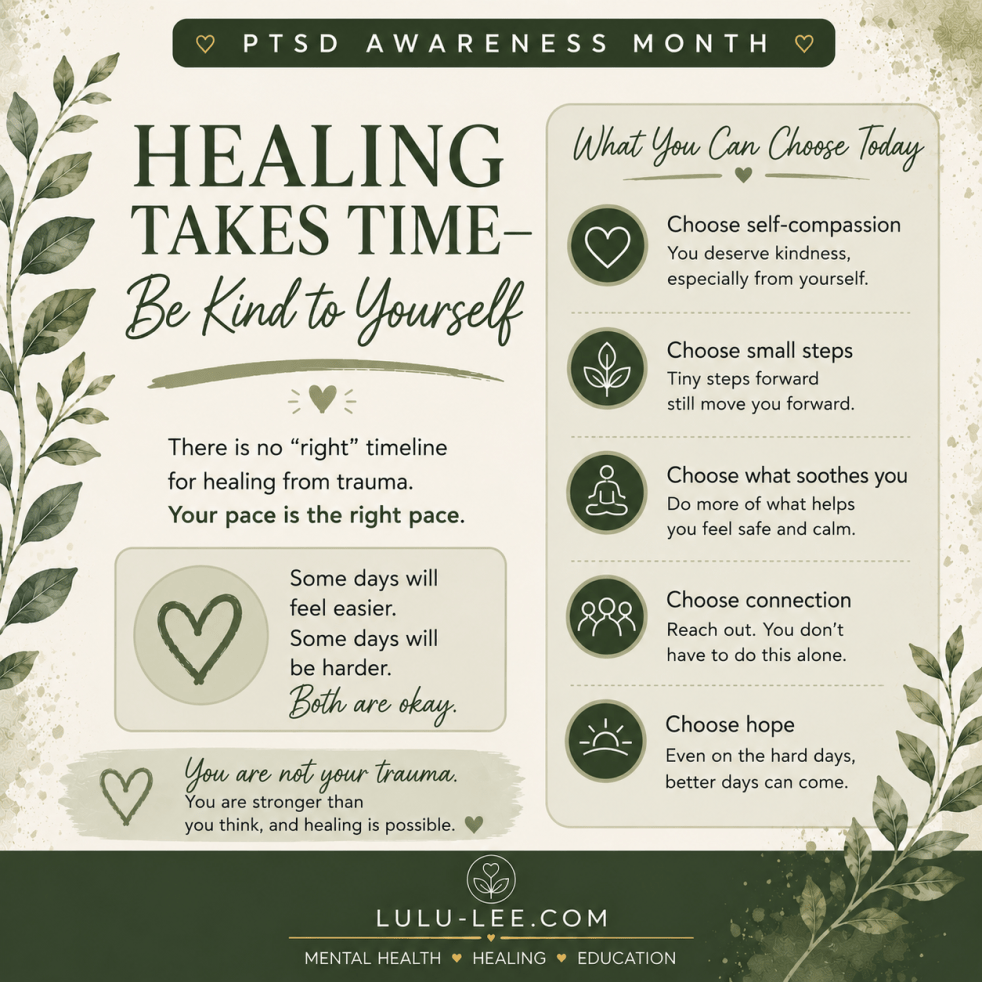
Healing may involve therapy, supportive relationships, movement, mindfulness practices, healthy boundaries, and learning to extend compassion toward yourself.
There is no “right” timeline for healing. Your pace is the right pace.
There’s a thought that’s been sitting with me lately:
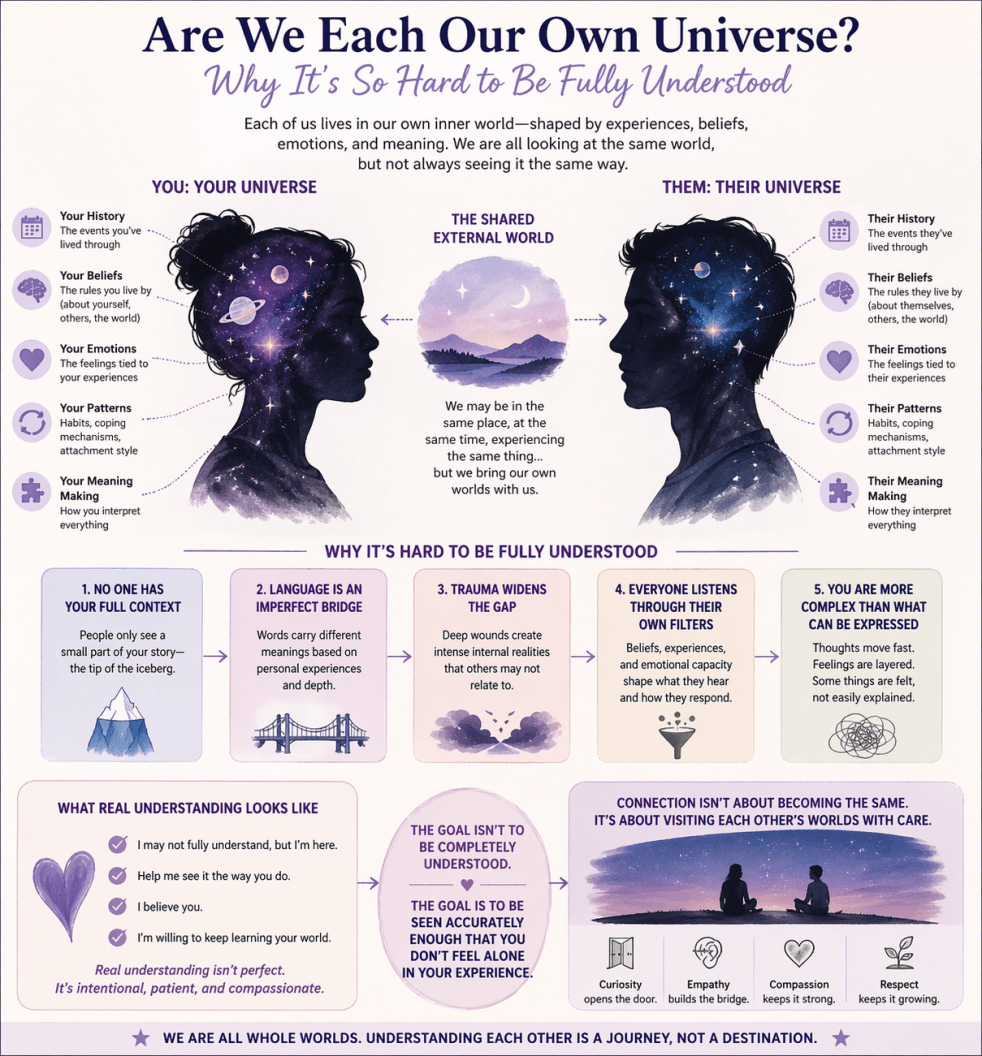
What if each human being is their own universe?
Not in a literal sense—but in the way we experience the world.
Each of us carries our own history, our own rules, our own way of making meaning out of what happens to us. No two people walk through life with the exact same lens. Even when we share space, share love, share experiences—we are still interpreting it all differently.
And maybe…that’s why it can feel so hard to be fully understood.
We Are All Living in Different “Worlds”
Think about it for a moment.
Everything you believe about yourself—your worth, your safety, your place in the world—was shaped over time. Through childhood. Through relationships. Through moments that stayed with you longer than you expected.
Those experiences didn’t just happen and disappear.
They became the rules of your inner world.
For some, the world feels safe and predictable.
For others, especially those carrying deep emotional wounds or experiences like Complex Post-Traumatic Stress Disorder, the internal world may operate very differently—where trust feels risky, love feels uncertain, and safety doesn’t come easily.
Same world. Different realities.
Why Words Don’t Always Land the Way We Mean Them
We rely on language to connect, but language has limits.
You might say, “I feel hurt,” and mean something layered, deep, and rooted in years of experience.
Someone else might hear that and think of a passing moment—something small, something temporary.
The words are the same, but the meaning isn’t.
Because when we speak, we’re expressing something from our universe—and when someone listens, they’re interpreting it through theirs.
The Gap Between Being Heard and Being Understood
There’s a difference between someone hearing you and someone truly understanding you.
You can explain yourself clearly. You can be open, vulnerable, and honest.
And still feel…missed.
Not because the other person doesn’t care—but because they don’t have the same internal reference points. They haven’t lived your exact experiences. They don’t carry your exact meanings.
And there are parts of you that simply cannot be translated perfectly into words.
So What Does Real Understanding Look Like?
Maybe it’s not about someone saying, “I know exactly how you feel.”
Maybe it’s quieter than that.
Maybe it sounds like: “I may not fully understand, but I’m here.” “Help me see it the way you do.” “I believe you.”
Real understanding isn’t perfect. It’s intentional.
It’s someone choosing to step closer to your world, even if they can’t fully live in it.
A Shift in Expectation
What if the goal isn’t to be completely understood?
What if the goal is to be seen—honestly, gently, and without dismissal?
To be understood enough that you don’t feel alone in your experience.
And to offer that same grace to others—recognizing that they, too, are navigating a world shaped by things we may never fully see.
Final Thought
If we are each our own universe, then connection isn’t about becoming the same.
It’s about learning how to visit each other’s worlds with care.
A few years ago, in the middle of the pandemic, my family was carrying more stress than we knew how to name. Like so many households, our routines were disrupted, uncertainty felt constant, and my kids were overwhelmed in ways that showed up quietly — in moods, in questions, in exhaustion.
Around that time, a good friend recommended a book for our family book club: The Midnight Library by Matt Haig. We decided to read it together, not knowing just how much it would shift the way we were thinking about our lives.
If you want to check it out, here’s a link to the book:
What stood out most wasn’t just the story itself, but the conversations it sparked in our home.
Reading It Together Changed How We Saw Our Lives
At its core, The Midnight Library invites readers to think about the many versions of life we imagine for ourselves — the what ifs, the roads not taken, the choices that could have led us somewhere else. During a time when everything felt heavy, that idea resonated deeply with all of us.
As a family, we talked about regret, disappointment, and the temptation to compare our current lives to imagined alternatives. We talked about how easy it is to get caught up in what could have been and miss the value of what is.
What the book helped us see — gently and without judgment — is that even the hardest parts of our lives still hold meaning. That the life we are living, imperfect and unfinished, deserves our attention and care.
A Lesson That Still Stays With Us
Years later, we still reference this book from time to time. When one of us feels stuck, frustrated, or overwhelmed, the reminder comes back:
Don’t forget to take in the life you have.
That doesn’t mean ignoring pain or pretending everything is fine. It means learning how to hold gratitude and struggle at the same time. It means appreciating growth, resilience, and connection — even when circumstances are far from ideal.
For my kids especially, this book offered language for feelings they didn’t yet have words for. It helped them understand that stress and uncertainty don’t mean failure — they’re part of being human.
Why I Still Recommend This Book
I recommend The Midnight Library not because it offers easy answers, but because it encourages thoughtful reflection. It opens the door to meaningful conversations — especially within families — about choice, perspective, and how we learn to make peace with the lives we’re living.
It was exactly the book we needed at that moment in time. And looking back, I’m grateful we read it together.
Sometimes the right book doesn’t change your circumstances — it changes how you see them. And that can make all the difference.
📚 October Book Club: Reflections on The Untethered Soul by Michael A. Singer
🌸 Discovering The Untethered Soul
Every so often, a book finds you exactly when you need it most. For me, that book was The Untethered Soul by Michael A. Singer. I picked it up during a season when I was craving peace — not the kind that comes from everything being perfect, but the kind that comes from acceptance, presence, and release.
This book isn’t about fixing yourself; it’s about learning to let go — to release old pain, quiet the constant noise of the mind, and step into a state of inner freedom. Singer invites us to see our thoughts and emotions as passing experiences, not permanent truths. The more we allow them to flow without resistance, the more peace we uncover within ourselves.
📖 A Brief Summary
In The Untethered Soul, Michael A. Singer explores what it means to truly be free — not just externally, but internally. Through gentle wisdom and practical insight, he guides readers to recognize the voice inside their head, observe it without judgment, and stop identifying with it as their “self.”
He teaches that true peace doesn’t come from controlling life, but from surrendering to it. By loosening our grip on pain, fear, and expectation, we can begin to live with open hearts and unshakable calm — no matter what’s happening around us.
Reading this book has been a turning point in my healing journey. It’s helped me see that holding onto old pain only keeps me stuck in the same patterns — replaying stories that no longer serve me. Singer’s words reminded me that peace isn’t something to chase; it’s something we uncover once we stop resisting life as it unfolds.
I’ve started noticing my thoughts more — catching myself before getting swept away by worry or judgment. When I feel tension rising, I pause, breathe, and remind myself to soften, to let it pass through.
This practice has changed how I move through each day. Whether I’m journaling before bed, running in the early morning light, or tending to my garden, I carry this quiet awareness: I am not my thoughts. I am the one who observes them.
That realization alone has brought me so much freedom.
🌼 How It’s Helping Me Grow
Healing is not about erasing the past; it’s about learning to hold it gently, without letting it define who you are now. The Untethered Soul has helped me make peace with what once felt heavy.
I’m learning that growth isn’t always about doing more — it’s often about releasing what no longer belongs. Just like in my garden, I’ve learned to prune back what’s overgrown, to make room for new life.
The more I release, the lighter I feel — and the more space I have for joy, creativity, and stillness.
💭 Reflection Prompt for Readers
Have you ever read a book that arrived in your life at just the right time? What lesson or truth from it helped you let go, grow, or find peace within yourself?
Share your reflections in the comments — I’d love to hear what stories are helping you heal and bloom. 🌿



 Haven Harvest Living