
Health & Fitness · Health & Fitness

When Plans Change: Training Smarter, Not Harder

January didn’t unfold the way I expected — and honestly, that feels like a theme I’m learning to accept more gracefully.

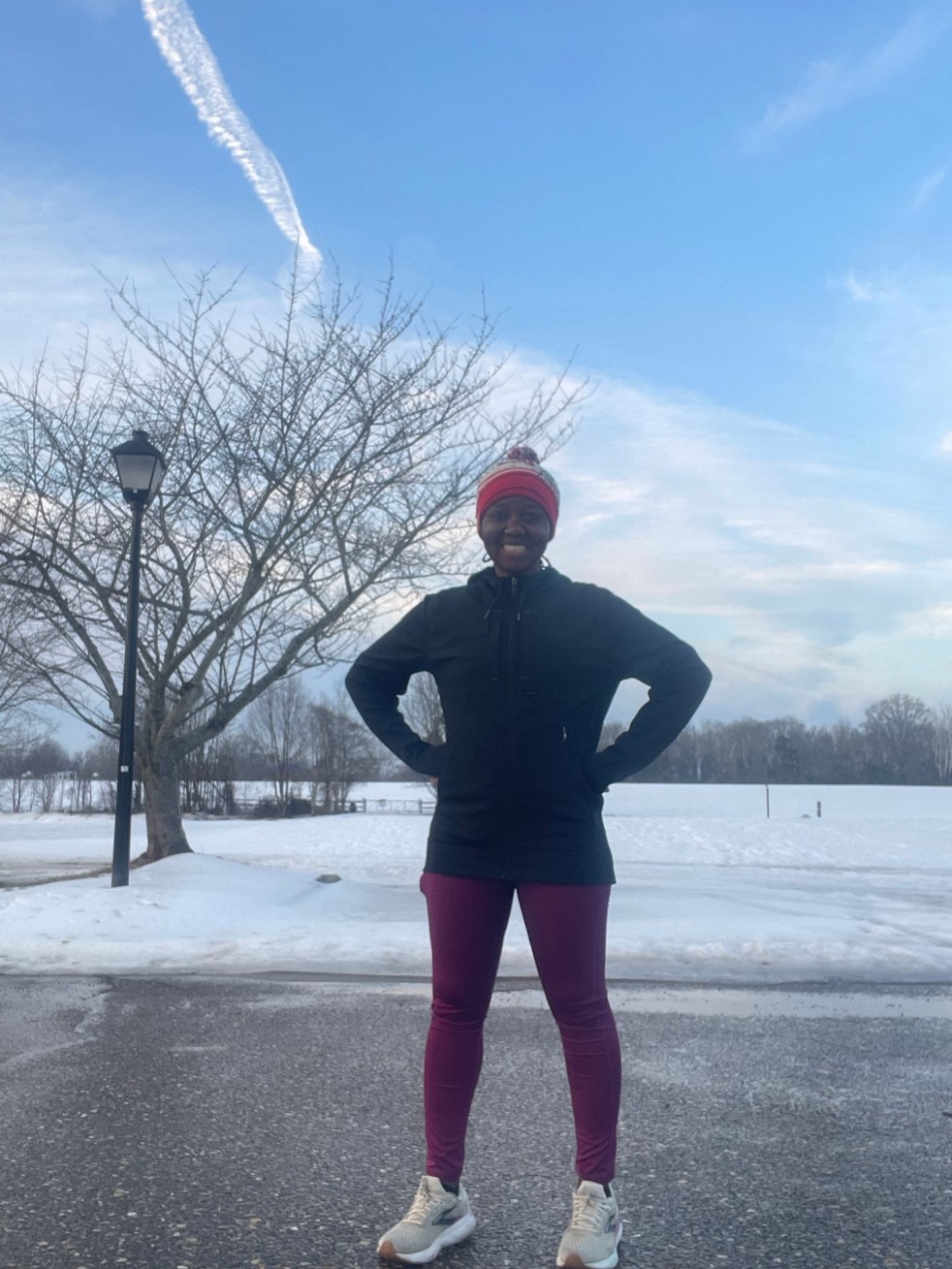
I was scheduled to run a 5K earlier this winter, but the race was first rescheduled to the first weekend in February and then eventually cancelled altogether due to severe weather and safety concerns. Between extremely low temperatures and icy roads, outdoor running became less about discipline and more about risk — and that’s not a tradeoff I’m willing to make.

So instead, I’ve found myself back on the treadmill at my local gym.


The Treadmill Reality

I’ll be honest: I’m not a big fan of treadmill running.

I love the rhythm of running outdoors — fresh air, changing scenery, the way your body naturally adjusts to the terrain. The treadmill feels repetitive, controlled, and mentally harder for me, even when the miles are shorter.

But right now, it’s the safest option.

And this season is teaching me that safe training is smart training, even when it’s not my favorite.


Learning to Adjust the Plan

With races being postponed or cancelled, I’ve had to step back and look at my race calendar more realistically. Instead of forcing a rigid plan, I’m giving myself permission to adjust.

My goals for this year include:

  • 2 half marathons (Marine Corps Historic Half-Marathon) and Blue & Grey Half Marathon
  • 1 full marathon (Richmond Marathon-Maybe)
  • Army 10-Miler
  • 1 ten-kilometer race– Local race
  • A 5-mile race– 4th of July
  • Possibly 6 (5K) races– Father’s Legacy Race, St. Patty’s Day Race, Fight Against Autism, Go for Bo, and 2 more TBD races.

Altogether, I’m aiming for around 12 races this calendar year — but with flexibility built in.

Because life is unpredictable. Weather changes. Schedules shift. Bodies need rest. And none of that means failure.


Training With Flexibility (And Grace)

This season has reminded me that growth isn’t always about pushing harder — sometimes it’s about adjusting smarter.

Running on the treadmill isn’t ideal for me, but it keeps me moving. Rearranging my race schedule doesn’t mean I’ve lost momentum — it means I’m protecting my health and longevity as a runner.

I’m learning to:

  • listen to my body
  • prioritize safety over stubbornness
  • adapt my goals instead of abandoning them
  • and stay committed without being rigid

That balance matters — not just in running, but in life.


Moving Forward

I still love running. I still love the goals. I still love the feeling of progress.

But I’m also learning to leave space for reality.

This year isn’t about perfection — it’s about consistency, flexibility, and showing up in ways that make sense for the season I’m in. Whether that means icy sidewalks, cancelled races, or treadmill miles, I’m choosing to keep going — thoughtfully.

One run at a time.

Where I get my Running Supplies

Health & Fitness

Born to Run? Maybe Not. But I Chose To.

Running never came naturally to me. I wasn’t the fastest or the strongest. From the moment I stepped onto that dusty field in Sierra Leone as a kid, I felt inspired. I knew I wanted to run. What started as a way to follow in my siblings’ footsteps became a personal journey. It has taken me across continents and through setbacks. It has led me toward a deeper understanding of who I am.

Some people are born with a natural talent for certain things. Others have to work hard to excel at whatever they choose to pursue.

I fall into the latter group. Running has always been a part of my life, but it’s something I’ve had to work at consistently. My earliest memory of running goes back to grade school in Sierra Leone.

I believe I was in second grade. Back then, we had a huge event called Field Day. It was more than just a school event. It brought together the entire town. It felt almost like a mini Olympics. Students were divided into four teams, each represented by a different color. We trained for various track and field events leading up to the big day.

This is a great race to raise funds for Veterans.

I was on the same team as my older brother and sister. I was thrilled to compete alongside them. I was clearly one of the slowest kids on the team, but that didn’t dampen my excitement.

I don’t remember which team won that year. I do remember falling in love with the feeling of pushing myself. My brother and sister were standout runners, and I wanted to be just like them.

From that point on, I became my brother’s shadow. He was my hero. I watched him train with his friends and thought, I can do that too—if I put in the work.

Over the years, running became more than a hobby—it became a passion. Not sprinting or track events, though. My love is long-distance, cross-country running. I was never fast, and I’m still not, but that’s okay. What matters most to me is endurance and connection.

Long-distance running helps me feel connected—to nature, to myself, and to my limits. It challenges me in ways nothing else has.

I moved to the United States in 1993. By 1996, I had joined my high school’s cross-country team. In college, I pushed to help form a cross-country program. Later, my love for running helped me thrive during my time in the military.

I PR on this race!

I’ve had my fair share of physical setbacks. These include injuries, a surgery to repair torn tendons and ligaments, and bursitis in my hip. I’ve also had plenty of physical therapy. None of it has taken away my love for running. I continue to work at it because running is a part of who I am. I always feel most alive during and after a run.

Are you just as obsessed with running? If so, when did you get hooked—and what keeps you going?

Thanks for stopping by!