
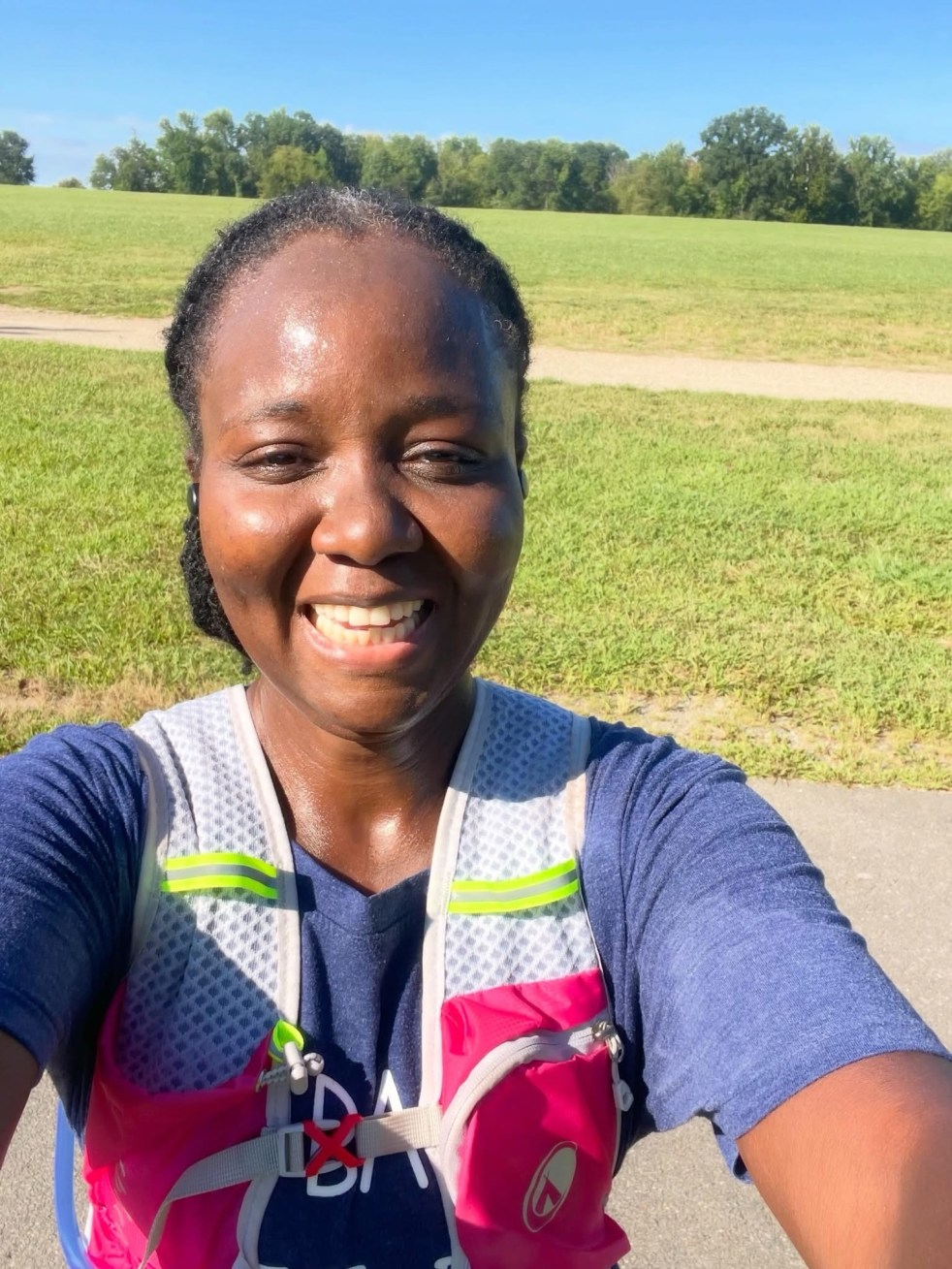
A few weeks ago, the lesson was rest.
I had been dealing with pain from an old ankle injury, and after seeing my doctor, I made the difficult decision to step away from running for a few weeks. At the time, resting felt frustrating. When you’re training toward a goal, every missed run can feel like you’re falling behind.
But eventually, it was time to lace my shoes back up.
And this time, the lesson was about trusting myself enough to run smart.
Ten Miles After a Long Night
Going into my scheduled 10-mile run, I had a few concerns.
For starters, I had just finished working a 10-hour overnight shift. I was worried about how much energy I would have once I got out there.
I was also thinking about the training time I’d lost while allowing my ankle to recover. Ten miles is a substantial distance under normal circumstances. Coming back from an injury made it feel even more significant.
There was a part of me that wanted this run to prove that I hadn’t lost anything.
But I also knew that trying to prove something was probably the quickest way to undo the recovery work I’d already done.
So I made a decision before I really got going:
Run smart.
The First Three Miles Were About Patience
I started the first three miles at a conservative pace and treated them almost like an extended warm-up.
Instead of worrying about what my pace looked like or trying to make up for lost training time, I paid attention to how my body felt.
How did my ankle feel?
How was my breathing?
How was my energy after being awake and working all night?
As the miles passed and my body warmed up, I gradually increased my pace. Eventually, I found a rhythm that felt manageable and settled into it.
And then came the hills.
I Needed the Hills
I deliberately included hills in this run.
Not because I wanted to make an already challenging 10 miles harder, but because hills are part of running—and they’re definitely part of preparing for the Richmond Half Marathon.
I needed to know where I was in my recovery.
The hills gave me an opportunity to test my strength without turning the entire run into a test of how much discomfort I could tolerate.
That distinction has become increasingly important to me.
There is a difference between challenging your body and punishing it.
For a long time, I think I associated progress with pushing harder. Run faster. Go farther. Tough it out. Finish no matter what.
But sometimes progress looks completely different.
Sometimes progress is having enough discipline to hold back.
I Could Have Pushed Harder
During the final few miles, something surprising happened.
I realized I still had more left in the tank.
I could have increased my pace. I could have pushed harder and tried to finish the run with everything I had.
And for a moment, that was tempting.
Instead, I stayed conservative.
This wasn’t race day. There was no medal waiting for me at the end. I didn’t need to prove that I could empty the tank.
The purpose of this run was to continue rebuilding.
So I finished knowing that I probably could have done more.
And strangely enough, I’m proud of that.
Rest Didn’t Take Away My Progress
One of my biggest fears when I had to stop running was that I would lose everything I’d worked for.
I didn’t.
My body remembered.
My endurance was still there.
And perhaps more importantly, I came back with a little more respect for what my body had been asking of me.
My previous lesson was learning when to rest.
This one was learning how to come back.
Neither lesson is particularly glamorous. Neither one produces the kind of numbers we runners like to post and celebrate.
But both are part of becoming a stronger runner.
The Richmond Half Marathon Is Still Ahead
There is still work to do before Richmond.
I want to continue building my endurance, strengthening my ankle, getting more comfortable on hills, and gradually improving my pace.
But that 10-mile run gave me something I needed even more than a fast time.
Confidence.
Not the confidence that comes from proving I can push through anything.
The confidence that comes from knowing I can listen to my body, adjust when necessary, and still keep moving toward my goal.
I’m learning that training isn’t about winning every workout.
It’s about putting enough good days together to arrive at the starting line healthy, prepared, and ready to run.
So I’ll keep building.
One smart mile at a time.
 Haven Harvest Living