Gardening · Gardening

Zone 7a Spring Garden Update: Starting Seeds Indoors & Preparing Raised Beds

There’s something about this time of year that feels full of possibility.

The air is still cool. The mornings are quiet. But underneath the surface, everything is preparing to grow — and so am I.

This week, I officially started seeds indoors.

And just like that, the planting season feels real.


🌿 The Indoor Seed Station Is Fully Operational


Wide shot of my full seed station with trays and grow lights
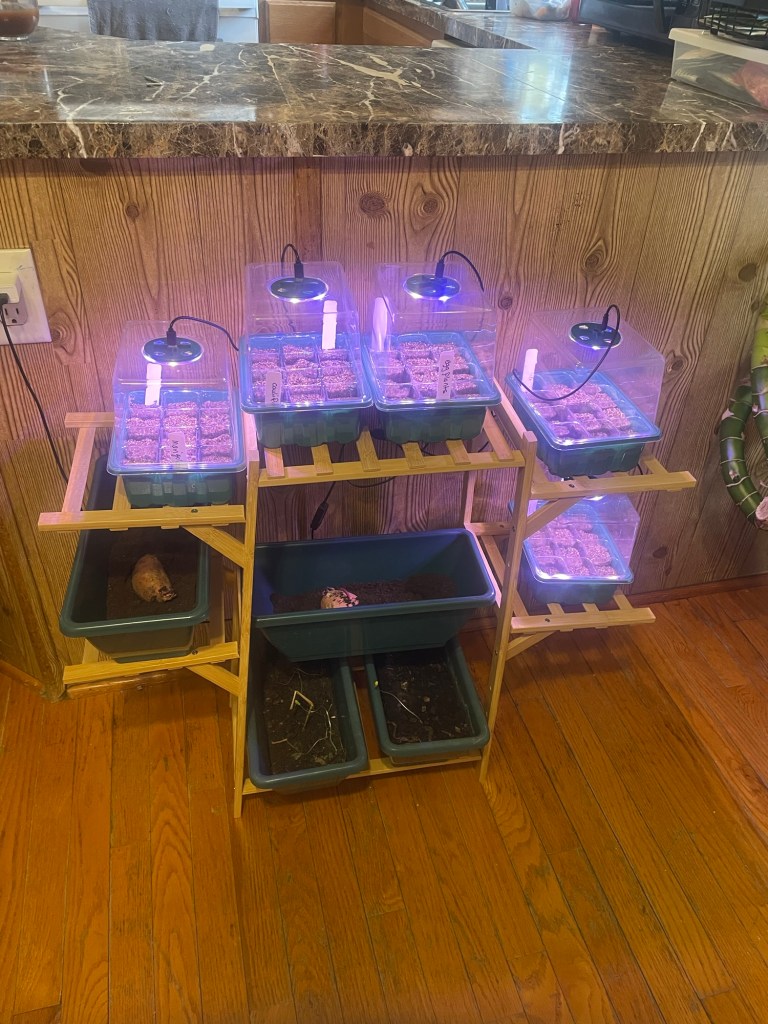
This year I expanded my indoor setup — multiple trays, labeled pods, grow lights positioned carefully, and even sweet potatoes sprouting below.

It may look simple, but this setup represents planning, learning, and commitment. I’m not rushing this season. I’m building it intentionally.


🌱 First Sprouts Under the Lights


Close-up of seedlings under grow lights
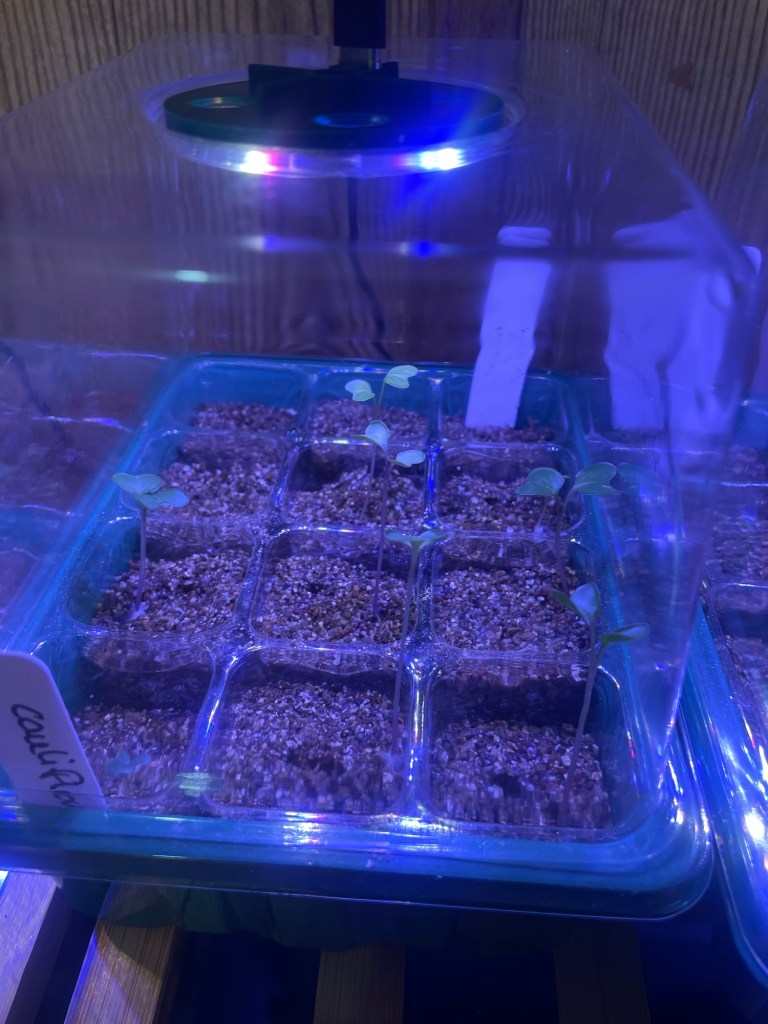
Watching those first leaves unfold under the glow of the grow lights never gets old. They may look delicate, but what’s happening below the surface is powerful.

Roots are forming.
Systems are strengthening.
Life is preparing.

This year’s indoor lineup includes:

  • Eggplant
  • Cayenne peppers
  • Bell peppers
  • Cauliflower
  • Broccoli
  • Basil
  • Marigolds
  • Sweet potatoes
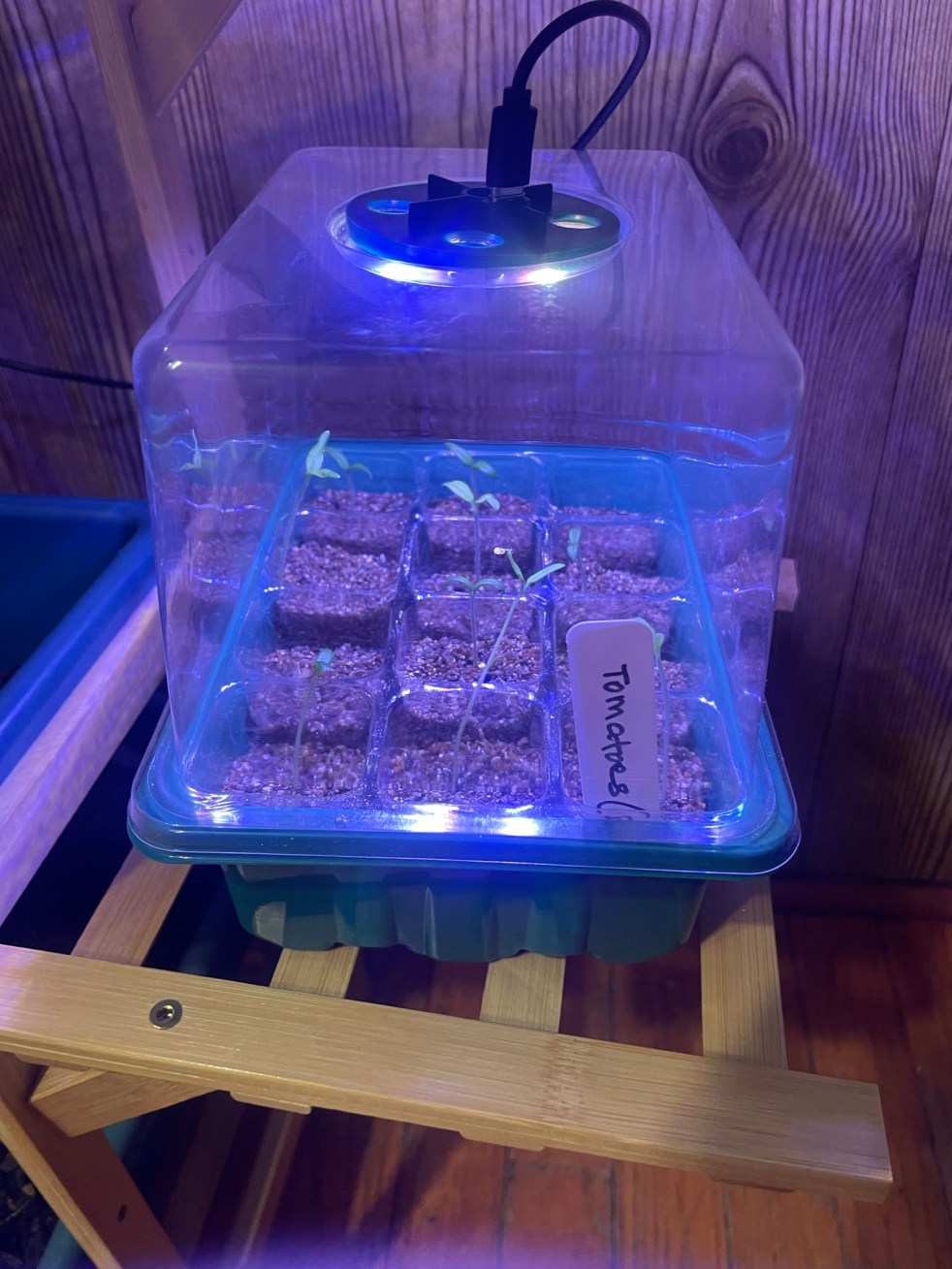
  • Tomatoes

Peppers and eggplant need that early head start. The brassicas will transition outside earlier if the forecast cooperates. Basil and marigolds are part of my companion planting strategy — protection, pollination, and balance.

And the sweet potatoes? Those are personal. Watching them sprout reminds me that even something dormant can surprise you with life.


🪵 Preparing the Raised Beds


Photo of raised beds before cow manure
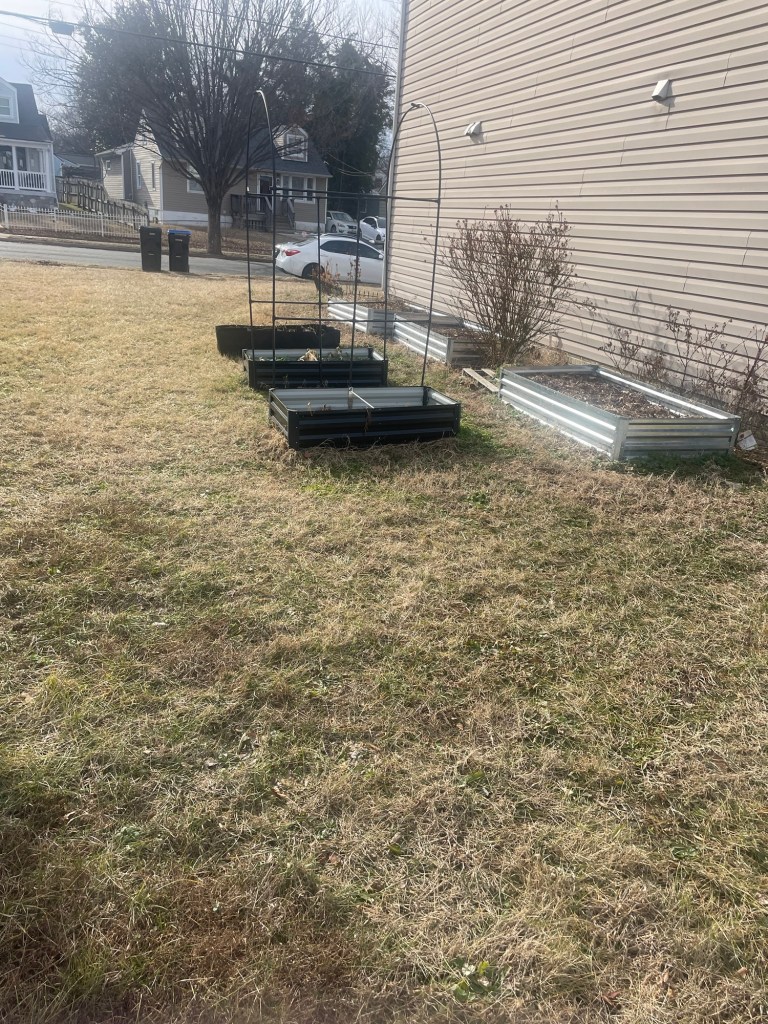
Outside, the beds are waiting.

I added more cow manure to enrich the soil and refreshed the raised beds in preparation for spring planting. The yard still looks winter-worn, but I can already see what it will become.

Healthy soil means stronger roots, better yields, and more resilient plants.

Soil first. Always.


🌽 The Future Corn & Peanut Patch


Outdoor patch photo where corn and peanuts will go
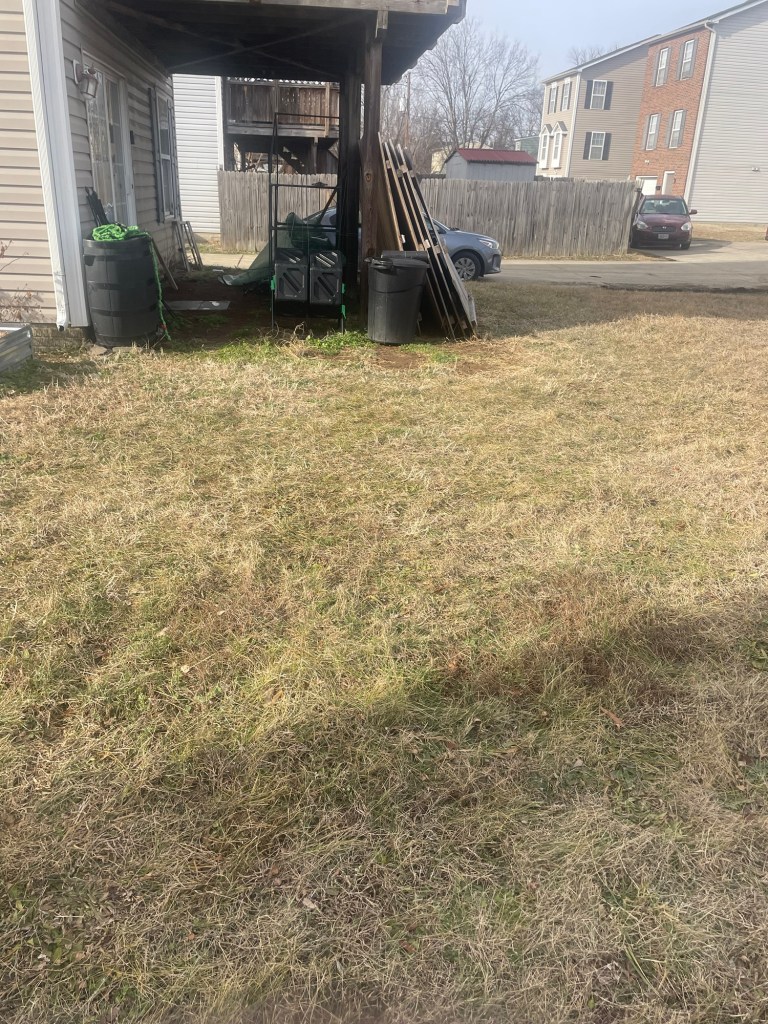
This is where the corn and peanuts will grow this year.

But timing matters.

I’m watching the forecast carefully, especially soil temperatures. Corn and peanuts need warmth and stability. I’m waiting until frost risk has passed and the soil temperature is consistently warm enough to support strong growth.

Gardening has taught me that patience protects your harvest.


📅 Zone 7a Planting Timeline (Quick Reminder)

Living in Zone 7a means our average last frost date typically falls around mid-April (April 10–20). That date guides almost everything I do this time of year.

Here’s how I’m planning around it:

6–8 weeks before last frost (February–early March):

  • Start peppers, eggplant, tomatoes indoors
  • Begin brassicas like broccoli and cauliflower

4–6 weeks before last frost:

  • Start basil and companion flowers like marigolds

2–3 weeks before last frost (weather permitting):

  • Harden off cool-weather crops
  • Transplant broccoli and cauliflower outdoors

After last frost (mid-to-late April):

  • Transplant peppers, tomatoes, eggplant
  • Direct sow corn
  • Plant peanuts once soil temperatures are above 65°F
  • Move sweet potato slips outdoors once nights are consistently warm

Gardening in Zone 7a is about watching the weather — not just the calendar.


📒 Systems Matter This Year

This year I have:

  • My gardening binder organized
  • Seed inventory tracked
  • Raised beds refreshed
  • A growing app helping me stay on schedule
  • Weather patterns monitored closely

It feels less chaotic and more strategic.

Preparation brings peace.


🌿 Planting With Purpose

Every year I garden, but this year feels different.

I’m not just planting vegetables — I’m building discipline. I’m practicing patience. I’m creating a rhythm that aligns with the seasons instead of rushing ahead of them.

Watching frost dates. Preparing soil before seeds go in. Starting early indoors but waiting wisely outdoors.

This garden is about more than harvest.

It’s about:

  • Teaching my children where food comes from
  • Building food security one bed at a time
  • Honoring agricultural roots that shaped generations before me
  • And trusting that steady preparation always produces results

The seedlings under my grow lights may look small now. The outdoor beds may still look quiet.

But I know what’s coming.

Because I’ve done the work.

And this season, I’m planting with purpose.
Gardening

Garden Update: Ready to Grow, Learning to Wait

Right now, my garden feels like it’s holding its breath — and so am I.

I have my seeds.

I have my starter pods.

I even have the garden layout mapped out and ready to go.

And yet… I’m pausing.

As excited as I am to start my seeds, I’m being intentional about when I begin. Living in a climate where late frosts are still a possibility, I’ve learned that starting too early can undo weeks of careful planning. Losing seedlings to an unexpected cold snap is frustrating — and avoidable — if you’re willing to wait.

This season, I’m choosing patience

Why I’m Waiting to Start My Seeds

Seed starting is one of the most exciting parts of gardening. It’s where hope takes shape. But timing matters just as much as enthusiasm.

Right now, my hesitation comes down to one thing: our last frost date.

Even with grow lights and starter pods ready, planting too soon can mean:

weak seedlings that outgrow their containers stressed plants when it’s time to transplant or worse — losing them entirely to cold temperatures

I’ve learned that starting seeds at the right time is just as important as starting them at all.

What I’m Doing Instead (And Why It Still Counts as Progress)

Even though seeds aren’t in the soil yet, the work hasn’t stopped.

Here’s what I have been doing:

Reviewing my garden diagram and spacing plans Organizing seeds by indoor vs. direct-sow crops Prepping starter pods and trays Refreshing my memory on frost dates for my zone Making a short list of which plants truly benefit from early starts

This stage of gardening — the quiet planning — sets the tone for the entire season.

Trusting the Process

Gardening has taught me that rushing doesn’t lead to better results. The soil warms when it’s ready. The seeds sprout when conditions are right. And sometimes, the most responsible thing a gardener can do is wait.

I’m excited. I’m prepared. And when the timing is right, I’ll be ready to move quickly and confidently.

For now, I’m honoring the pause.

What’s Coming Next

Once we’re closer to our last frost date, I’ll be:

starting select seeds indoors hardening off seedlings slowly preparing beds for transplanting and sharing updates on what’s thriving

This season already feels promising — and it hasn’t even started yet.

Sometimes growth begins long before anything breaks the surface.

Gardening · Gardening

🌿 Garden Update: Collard Greens Growing Strong & A Sweet Potato Harvest Worth Celebrating

There’s something deeply healing about watching food grow with your own hands. This month, my garden has been a quiet reminder that even when life feels heavy or uncertain, growth is still happening—sometimes slowly, sometimes quietly, but always with purpose.

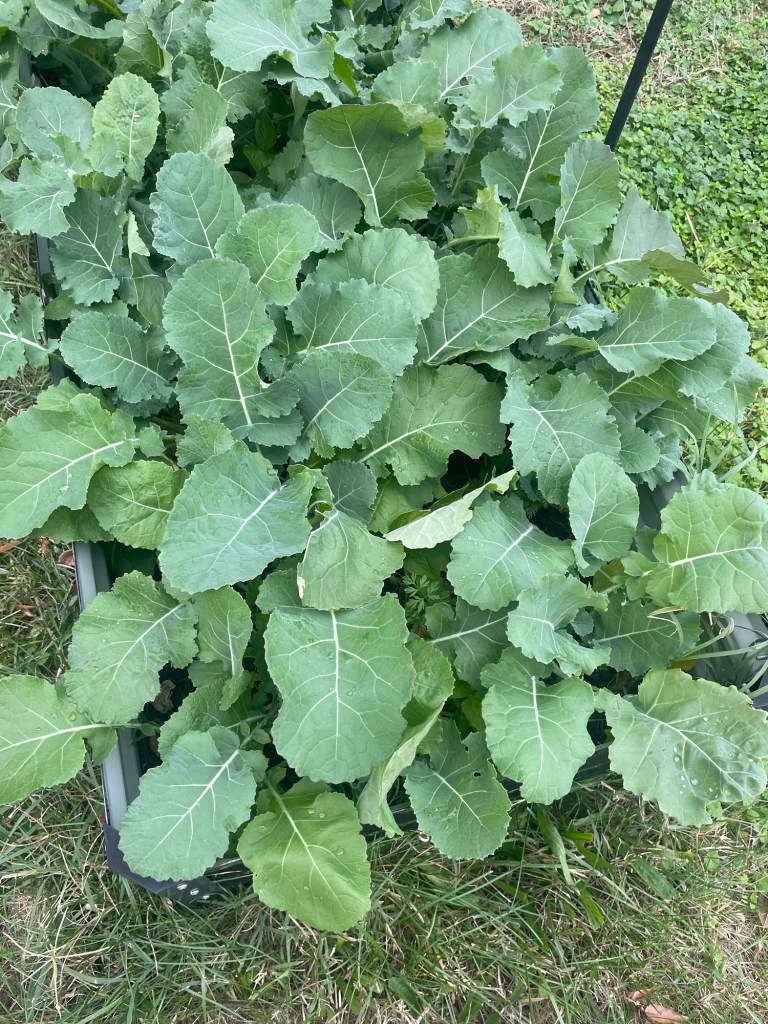
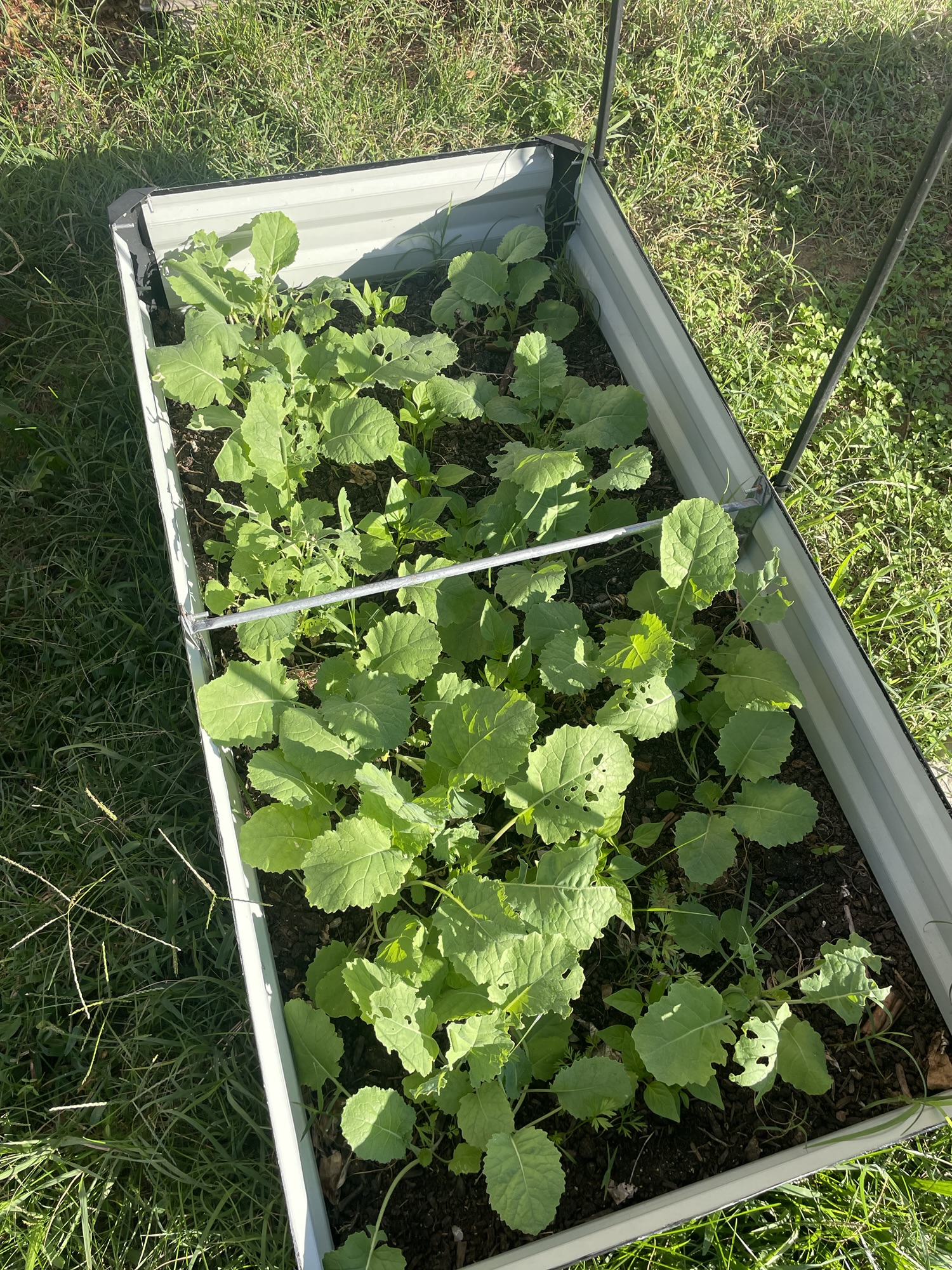
My collard greens are coming along beautifully this season. Their leaves are thick, vibrant, and full of life, and every time I walk outside to check on them, I feel that familiar sense of grounding. There’s nothing like seeing your greens respond to the care you’ve given them—sunlight, watering, patience, and a little love. Collards have always reminded me of family, tradition, and resilience, so watching them thrive feels like a gift I didn’t know I needed.

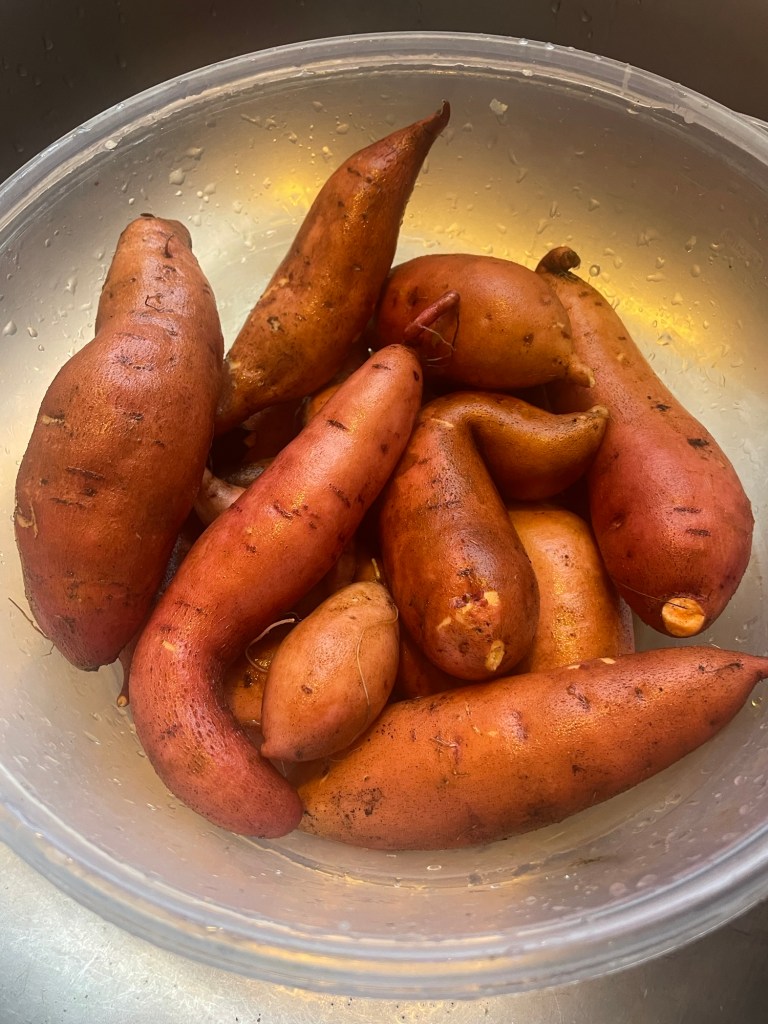
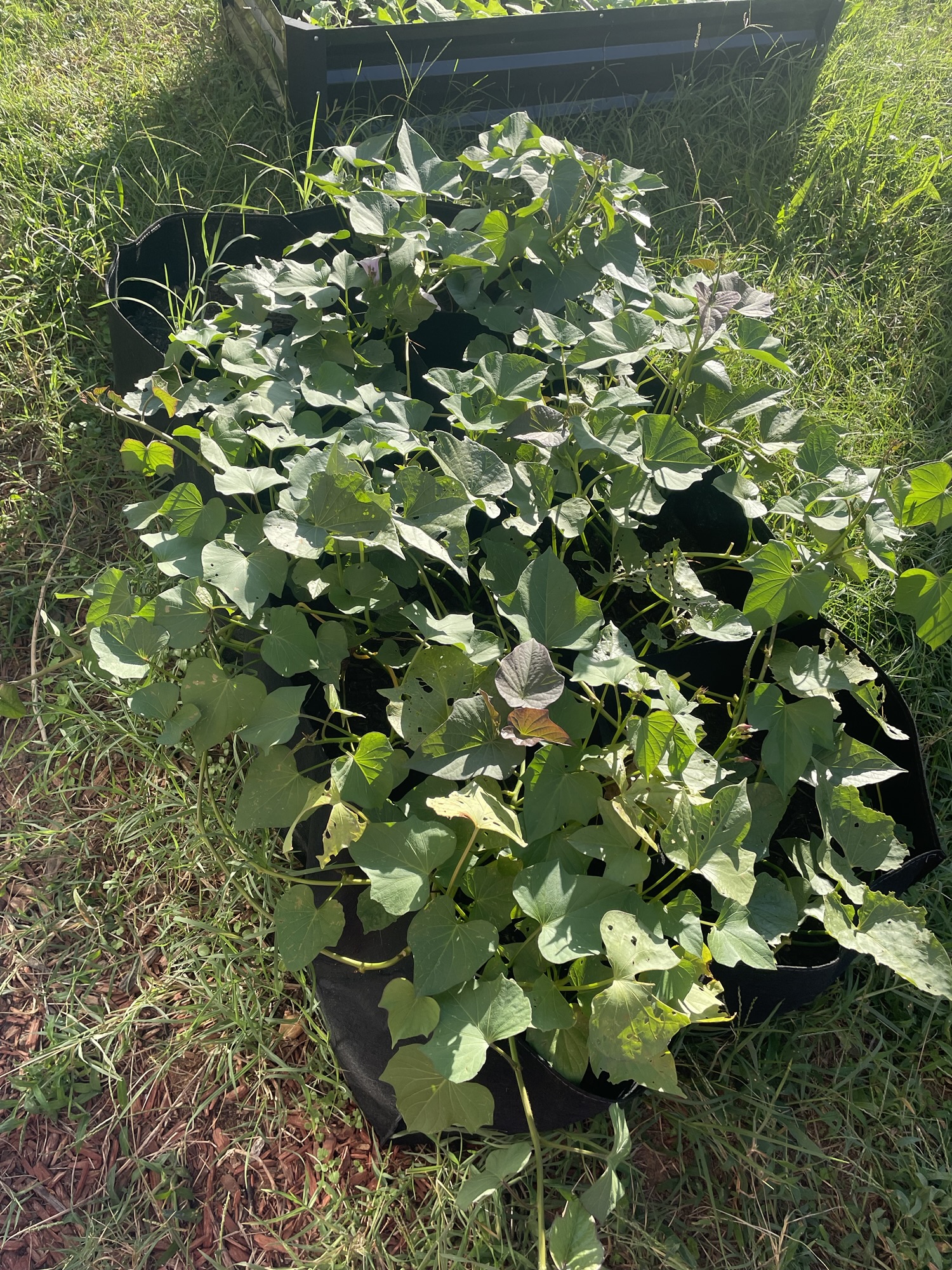
I also harvested my sweet potatoes, and let me tell you—they did not disappoint. Pulling them from the soil felt like uncovering treasure. There’s something magical about it… one moment it’s just soft earth, and the next you’re holding nourishment that you planted months ago. My sweet potatoes grew in all different shapes and sizes, but each one felt like a little victory.

This week, I’m planning to put them to good use in my kitchen.
I’ll be making a sweet-potato pie and some sweet-potato rolls for my family—recipes that bring warmth into the house and make everyone drift toward the kitchen to see what’s baking. Cooking with ingredients from my own garden always feels special. It’s more than just food; it’s love, work, and intention all coming together on a plate.

As I look at what’s growing now and what’s being harvested, I’m reminded that the garden is a reflection of the season I’m in: nurturing, patient, hopeful. Things take time to root. They take time to bloom. And when they finally do, the reward is deeper than the harvest—it’s the reminder that growth is still happening in me, too.

I can’t wait to share more next month, but for now, I’m grateful for greens, sweet potatoes, and the simple joy of feeding the people I love.

As I look at what’s growing now and what’s being harvested, I’m reminded that the garden is a reflection of the season I’m in: nurturing, patient, hopeful. Things take time to root. They take time to bloom. And when they finally do, the reward is deeper than the harvest—it’s the reminder that growth is still happening in me, too.

I can’t wait to share more next month, but for now, I’m grateful for greens, sweet potatoes, and the simple joy of feeding the people I love.

And if you’re curious about what I’m making with my harvest, stay tuned — next Monday’s post will feature the sweet-potato pie and rolls I’m baking for my family.

Gardening · Gardening

Fall in Bloom | Gardening, Growth & Gratitude by Lulu Lee

🍂 Fall in Bloom: The Progress and Peace I’ve Found in My Autumn Garden

🌱 Nurturing Growth in the Fall

This season, my garden is teaching me about patience, purpose, and quiet hope.
After a long summer, stepping outside to see new life pushing through the soil feels like a gentle reward — a reminder that growth doesn’t stop just because the seasons change.

My fall garden is thriving with collard greens, steak tomatoes, carrots, russet potatoes, sweet potatoes, green beans, basil, cucumbers, beets, cabbage, and bell peppers. Each plant, in its own way, reflects where I am in life right now — steady, persistent, and learning to flourish through transition.

If you’re curious about what I’m using, you can find the same ones here:


🍅 Seeing Progress, Feeling Peace

Some beds are overflowing, while others are still finding their rhythm. My tomatoes have begun to climb again, pushing through the last warm days of fall, while the sweet potato vines spread like soft green blankets over the soil.

I’m grateful for every small sign of progress — every new leaf, every bit of green pushing through the dirt. These moments remind me that growth isn’t always loud or immediate. Sometimes, it’s simply about showing up, watering consistently, and letting time do its work.


🌸 The Beauty Beyond the Harvest

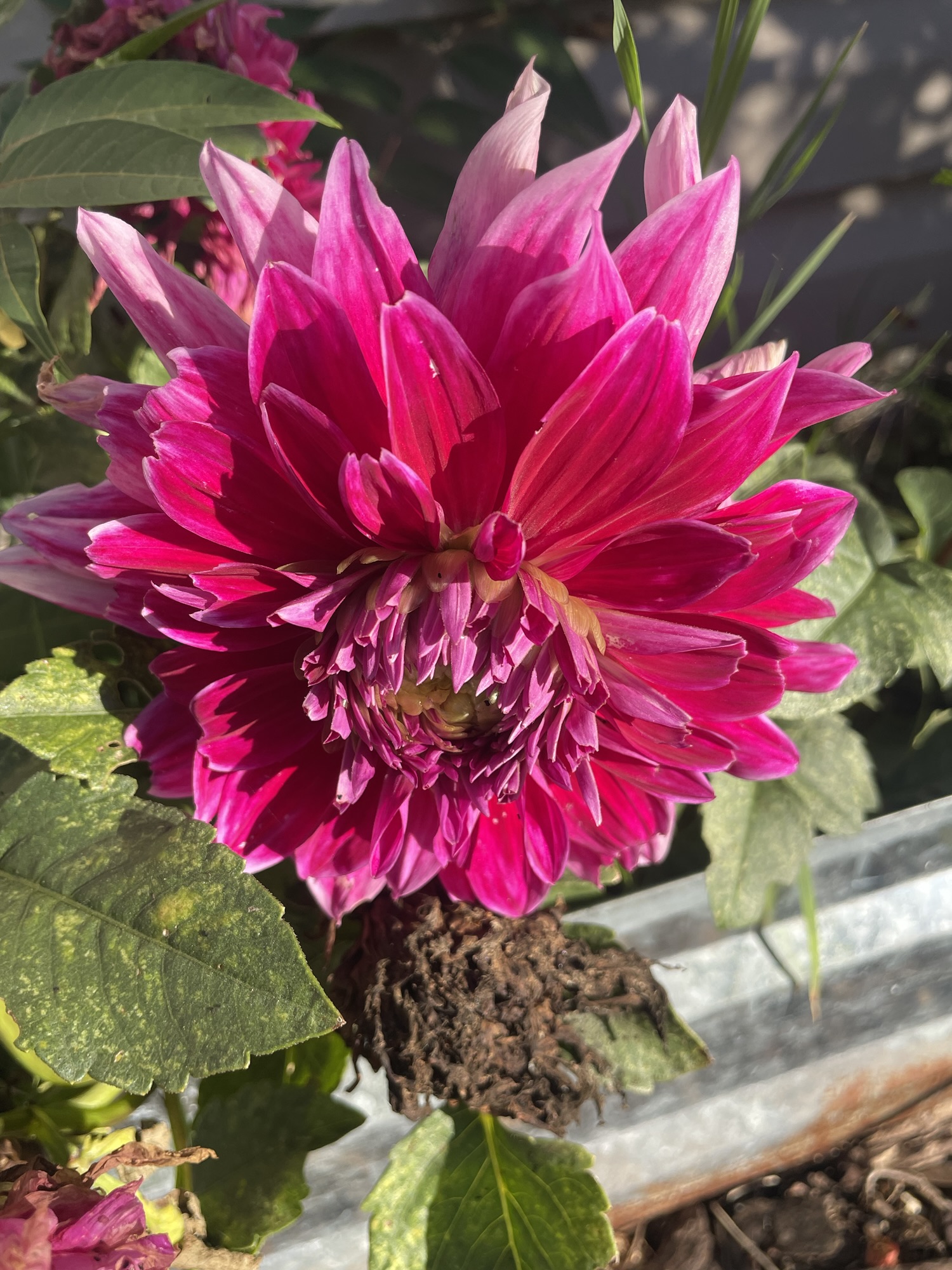
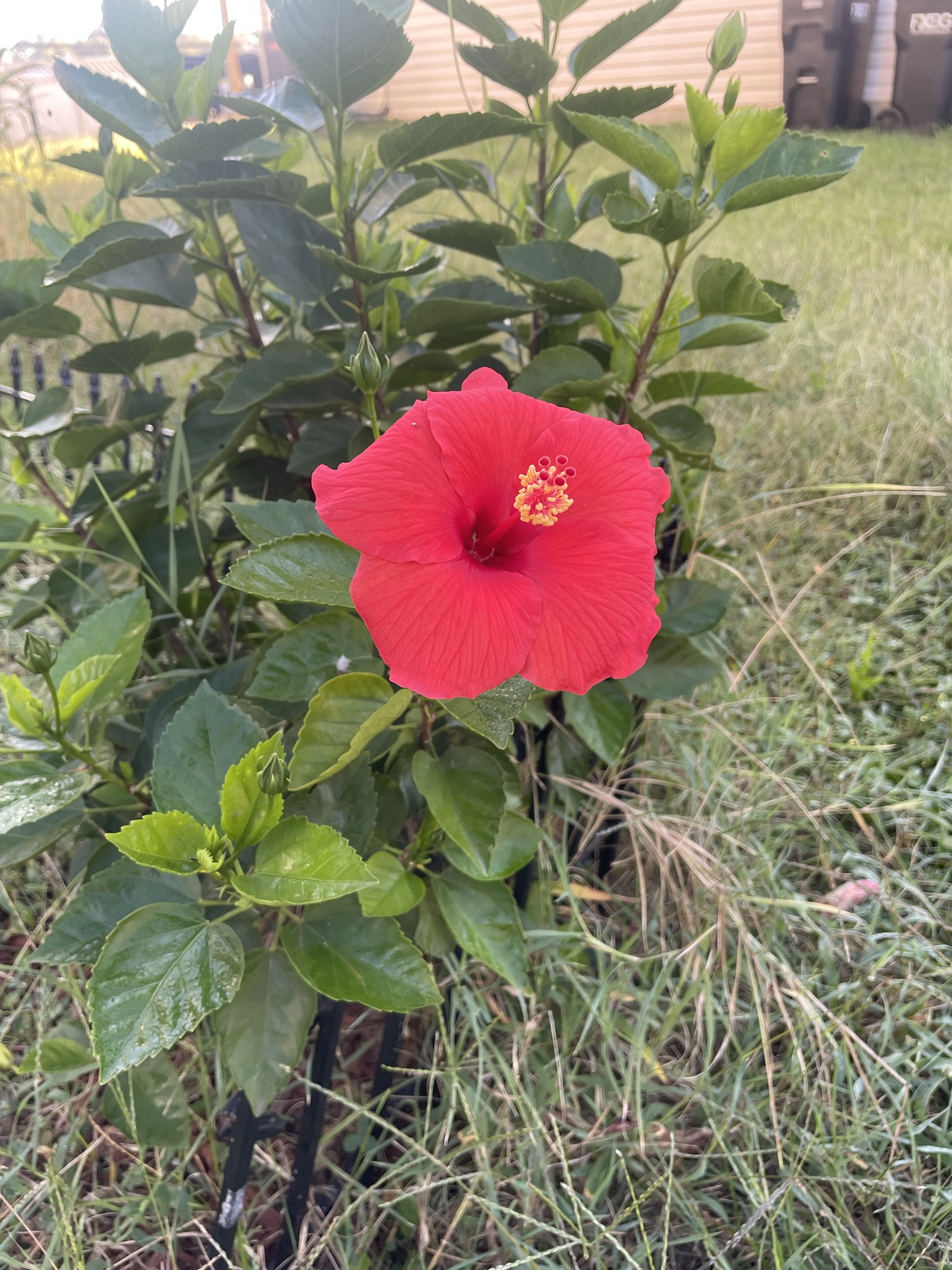
Beyond the vegetables, my flowers have been putting on their own quiet show — bursts of color that make me stop and smile, even on busy days.

These blooms remind me to look beyond productivity and yield — to appreciate the peace that comes from simply being outside, hands in the soil, surrounded by the hum of life.


🌿 Gratitude for the Process

Out here, I feel still. I can hear my thoughts soften. The garden gives me space to reflect on my days — the challenges, the growth, and the gratitude that anchors me.

Even when I’m pulling weeds or pruning back overgrown vines, I feel thankful — thankful for the quiet moments, the lessons in patience, and the sense of peace that only nature can offer.

Every bed, every leaf, every bit of soil carries a small prayer of hope — that what I nurture now will one day feed me and my family, not just in body but in spirit.


💭 Reflection Prompt for Readers

Take a moment this week to step outside — even if it’s just your porch, a park, or your own small garden.
What’s one thing in nature that reminds you to slow down, feel grateful, or keep growing?

Share your reflections in the comments — I’d love to hear what brings you peace this season. 🌸

Gardening · Gardening

Lessons from My First Year of Gardening: Successes and Mistakes

Last year was the first time I truly committed to designing and creating a small garden. I had no idea what I was getting myself into. All I knew was that I wanted to grow fruits and vegetables my family and I would enjoy. I spent a lot of time at local stores. I hunted for gardening tools, supplies, and starter plants that were on sale. Looking back, not trying to grow everything from seed was a smart decision. It made the whole process much more manageable.

Here are some pictures from my garden last year. I plan to share more photos and lessons I’ve learned. I’ll also share how I’m working to avoid repeating some of the mistakes I made. If you have any tips to simplify the issues I’ve shared, please feel free to pass them along!

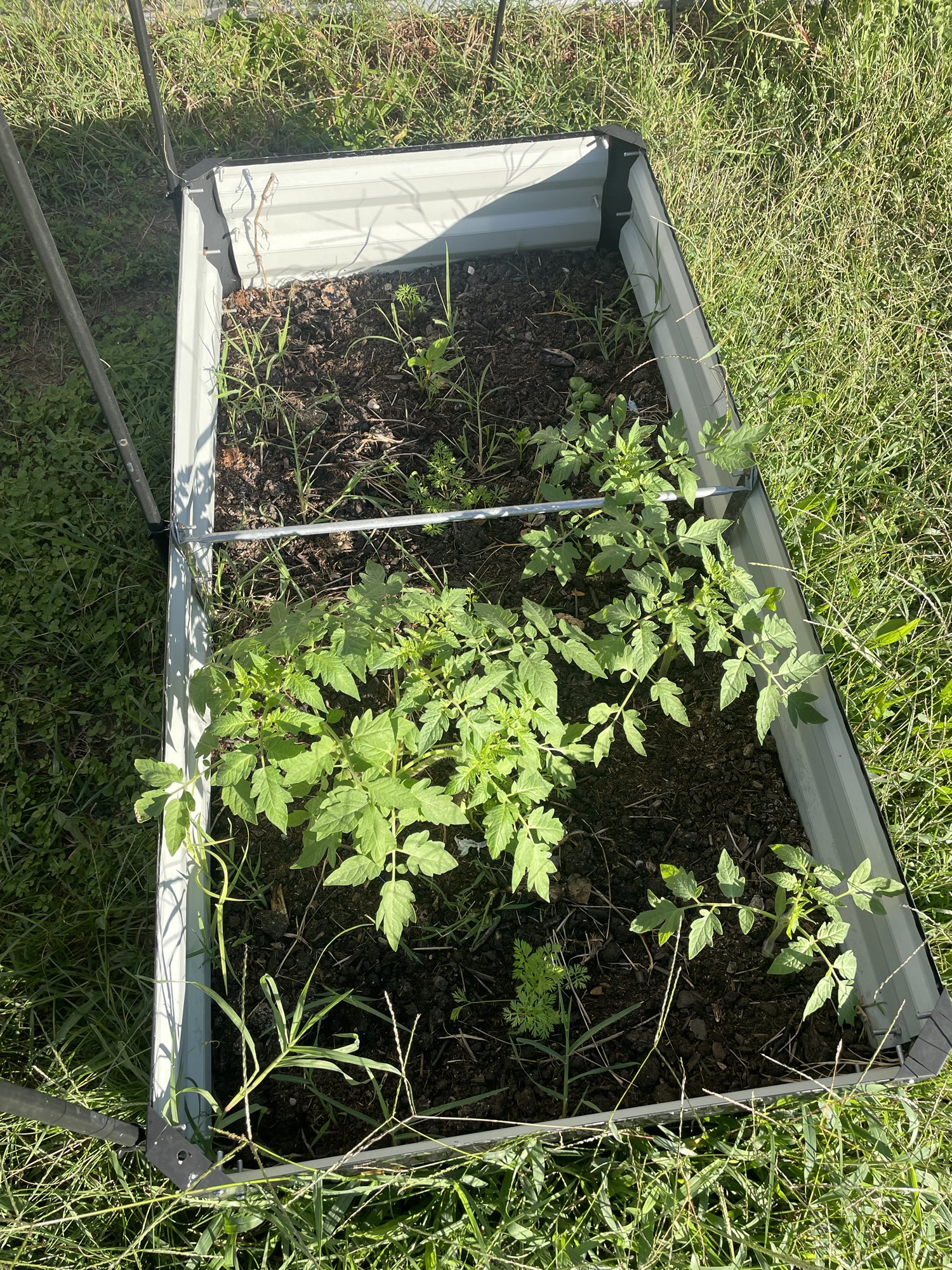
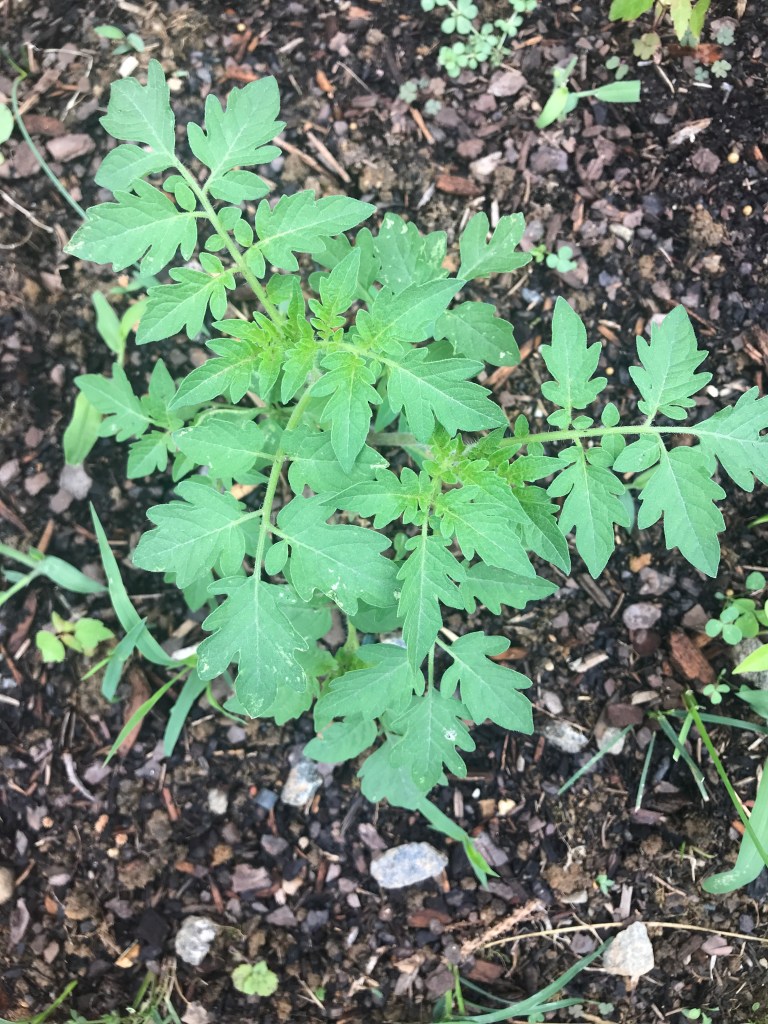
This was the first tomato plant in my garden. It produced so many tomatoes. I managed to make pasta sauce. I shared some with my neighbors. I used the rest in plenty of stews and salads. One lesson I learned the hard way was the importance of checking the weather before planting. I’m in a Zone 7 gardening area. I didn’t realize that until I joined a Facebook group. This group helped me understand when to start my seedlings and when to transfer them outdoors.

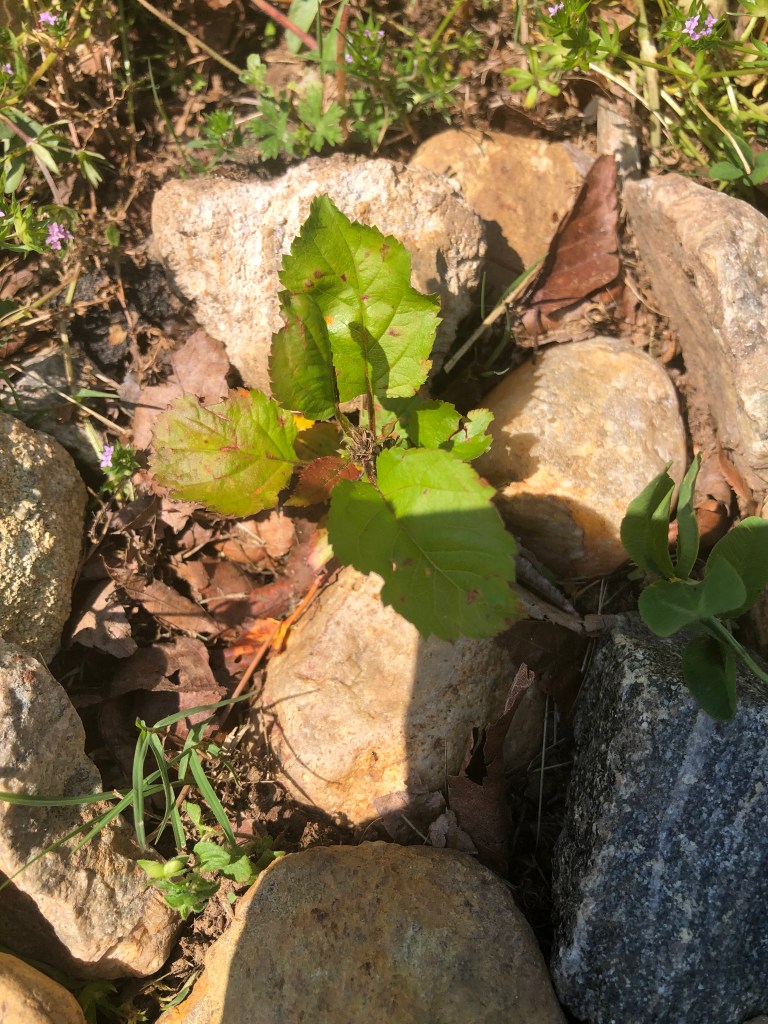
The apple tree I germinated and transplanted is still growing and thriving. I’m hoping to get some fruit from it in the next year or so. The idea for this tree came after enjoying a delicious apple one day. I saved most of the seeds and then researched ways to germinate them. As an experiment, I prepared just one seed, and I’m so grateful it worked. Now, I have a few more seeds in the process of germination.

It was my first time trying my hand at landscaping, and it turned out better than I expected. I do wish I had used weed barrier fabric—that was a rookie mistake I won’t be repeating this year. I’m still working on removing the rocks from this part of the garden. I’ve realized they are not the best choice. This year, I plan to try red mulch and see if that helps the plants thrive.

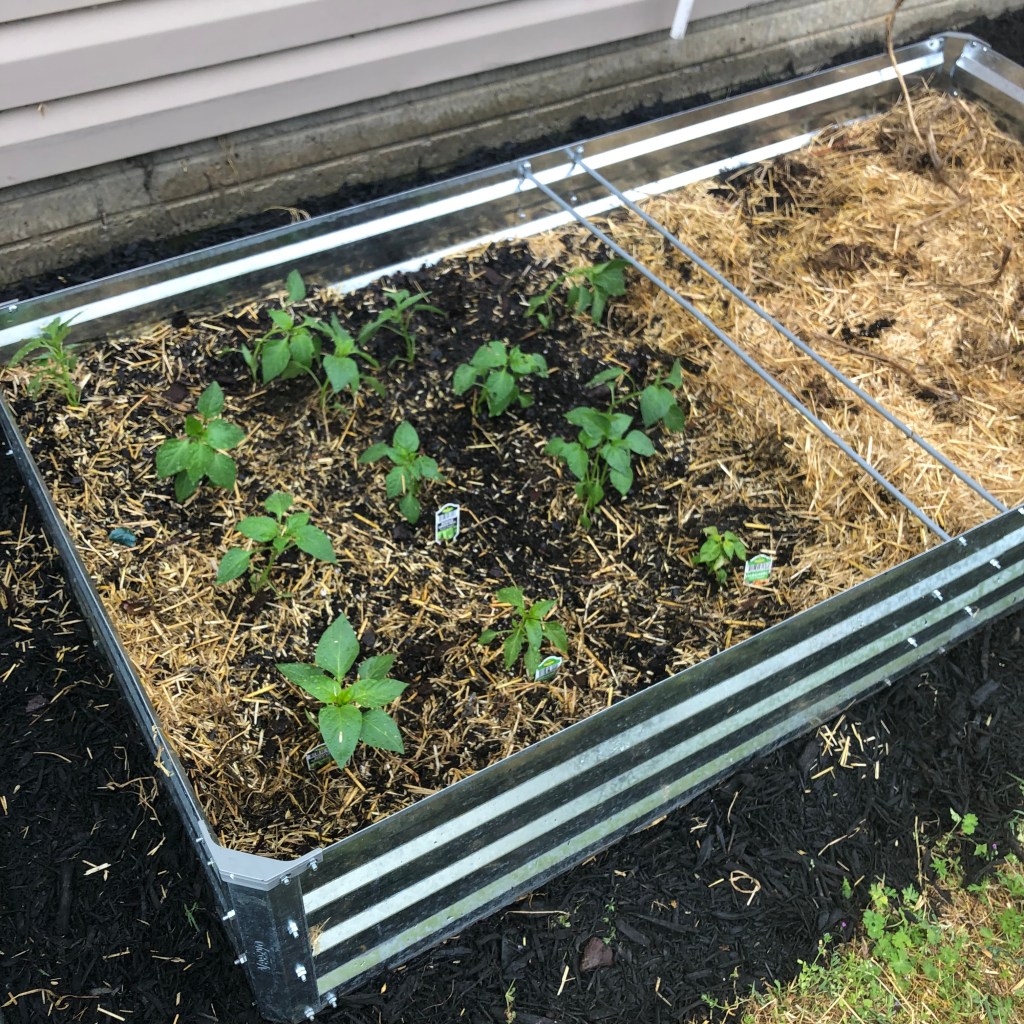
These were my green bell peppers and habanero peppers, and they yielded much more than I anticipated. I even dehydrated some of the habaneros for later use—and I still have some left! I bought these peppers from a local store. I only had to prepare the garden bed and then transplant them. I made sure they got plenty of water, sunshine, and fertilizer. Still, I’m still figuring out the right fertilizers for my garden. I tried using egg shells and kitchen scraps, which worked well. This year, I plan to start composting to guarantee my fruits, vegetables, and plants get enough nutrients.

Thank you for stopping by, I hope you do come back! I have a lot more to share. Leave tips if you feel incline to do so.

-Lulu