Recipes

Sierra Leonean Stewed Black-Eyed Peas | Plant-Based Comfort by Lulu Lee

🌿 Remembering My Grandmother Through Food

Every time I make this stew, it feels like coming home. The smell of onions, bell peppers, and garlic fills my kitchen the same way it filled my grandmother’s when I was growing up in Sierra Leone.

Her black-eyed pea stew was always made with love — sometimes made with chicken, beef, or fish — depending on what was available that day. What made it special wasn’t just the ingredients, but the patience and care she poured into every simmering pot.

Now, years later, I’ve given up meat but not the memory. This plant-based version keeps her spirit alive in my kitchen, using soy strips instead of meat. The flavors remain rich, earthy, and comforting — a bridge between who I was and who I’m becoming.


🥣 Ingredients

  • 2 cups precooked black-eyed peas
  • 1 cup rehydrated soy strips (I use Mkostlich Soy Strips)
  • 2 large onions, peeled and chopped
  • 2 bell peppers, seeded and chopped
  • 1 large tomato, chopped
  • 2 tablespoons tomato paste
  • ½ cup olive oil (or palm oil, for a traditional flavor)
  • Seasoning salt, to taste
  • Cayenne pepper, to taste
  • Ginger and garlic, to taste

🍲 Directions

  1. Prepare the soy strips.
    Rehydrate 1 cup of soy strips in warm water or broth for 15–20 minutes. Once softened, squeeze out the excess liquid and set aside.
  2. Blend the vegetables.
    In a food processor, combine the onions, bell peppers, tomato, ginger, and garlic. Pulse until finely chopped (not fully pureed). This creates a smooth base that will thicken and flavor the stew.
  3. Sauté the base.
    Heat ½ cup of olive oil in a heavy-bottomed pot or Dutch oven (I use this Overmont enameled Dutch oven) over medium heat. Add the blended vegetable mixture and cook, stirring occasionally, until most of the liquid evaporates and the mixture deepens in color — about 10–12 minutes.
  4. Add the tomato paste.
    Stir in the tomato paste and cook for another 3–5 minutes to deepen the flavor.
  5. Add the soy strips.
    Toss in the rehydrated soy strips, stirring well to coat them in the tomato mixture. Season generously with seasoning salt, cayenne, and any additional spices to your taste.
  6. Add the black-eyed peas and simmer.
    Gently fold in the precooked black-eyed peas. Lower the heat to a gentle simmer and cook uncovered for 30–45 minutes, stirring occasionally. This slow simmer allows the flavors to blend beautifully and gives the soy strips time to absorb the richness of the sauce.
  7. Taste and adjust.
    Taste and adjust seasoning as needed. If you prefer a thinner consistency, add a small splash of water or vegetable broth near the end.

Serve warm with rice, boiled plantains, or bread — something that lets you scoop up every drop of that flavorful sauce.


💛 Reflections

Cooking this stew in my Dutch oven has become a small ritual of comfort. Its weight and warmth remind me of my grandmother’s patience — how she always said good food needs time, love, and the right pot.

Each simmer feels like a conversation with her, even though she’s no longer here. This dish connects me to where I come from, while also embracing how I’ve grown. It’s proof that you can honor your roots and still evolve in your own direction.


💭 Reflection Prompt for Readers

Is there a meal from your childhood that brings you comfort or connects you to someone you love?
How have you kept that recipe — or its memory — alive in your own kitchen?

Share your reflections in the comments — I’d love to hear the stories that feed your soul. 🌿
Recipes

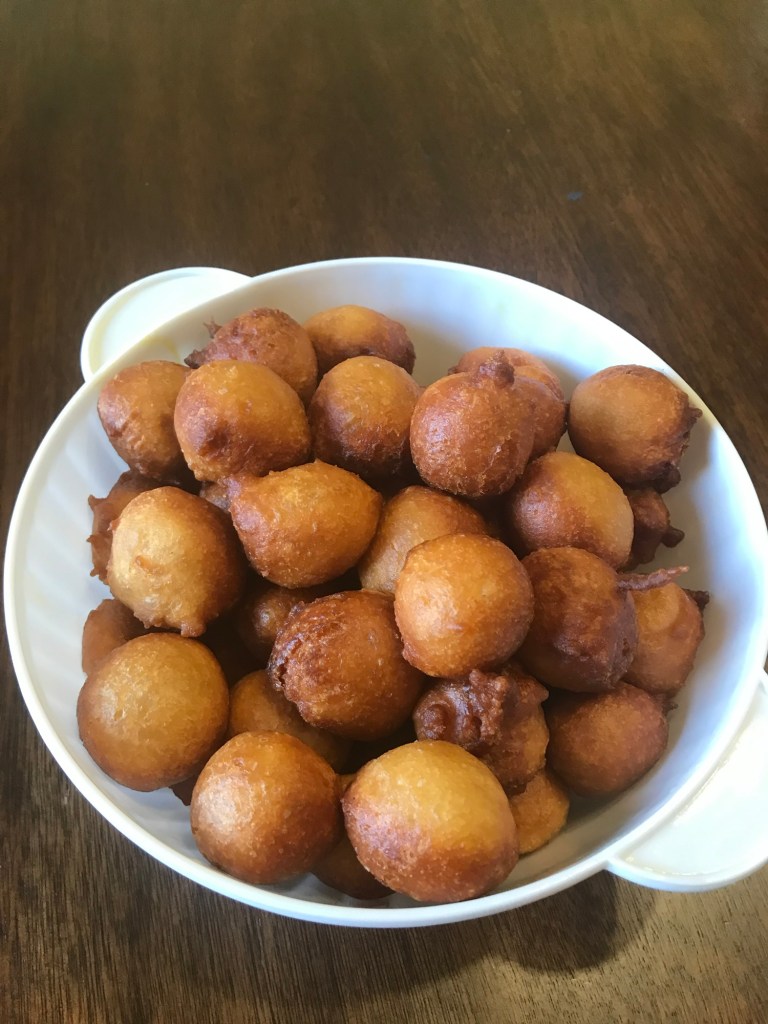
🍩 African Cake Donuts

There’s something magical about donuts—the smell of warm oil, the golden crust, and that first sweet bite. But these African cake donuts are more than just a treat. They offer a little taste of tradition with a modern twist.

These donuts are made with creamy coconut milk. They have a touch of ginger and a hint of cardamom. They are light, flavorful, and irresistibly good. They’re easy to make, don’t require yeast, and will fill your kitchen with the most comforting aroma.

🥥 Ingredients

  • 2 cups all-purpose flour
  • ½ cup sugar
  • 2 tsp baking powder
  • ½ tsp salt
  • ½ tsp ground nutmeg
  • ½ tsp ground ginger
  • ¼ tsp ground cardamom
  • 2 large eggs
  • ½ cup coconut milk (canned, well-shaken)
  • 2 tbsp melted butter (or neutral oil)
  • Oil for frying

👩🏾‍🍳 Instructions

  1. In a large bowl, whisk together the flour, sugar, baking powder, salt, nutmeg, ginger, and cardamom.
  2. In a separate bowl, beat the eggs, coconut milk, and melted butter until smooth.
  3. Combine wet and dry ingredients. Mix gently until a thick batter/dough forms. (Do not overmix.)
  4. Heat oil in a deep pan over medium heat.
  5. Drop small scoops of dough into the hot oil, frying in batches.
  6. Cook until golden brown on all sides, turning as needed.
  7. Drain on paper towels and serve warm.

📝 Recipe Card (Printable)

African Cake Donuts with Coconut Milk, Ginger & Cardamom
Ingredients:
- 2 cups all-purpose flour
- ½ cup sugar
- 2 tsp baking powder
- ½ tsp salt
- ½ tsp nutmeg
- ½ tsp ginger
- ¼ tsp cardamom
- 2 large eggs
- ½ cup coconut milk
- 2 tbsp melted butter
- Oil for frying
Instructions:
1. Mix dry ingredients.
2. Mix wet ingredients.
3. Combine to form dough.
4. Fry in hot oil until golden brown.
5. Drain and serve warm.


🌟 Why This Recipe Works

Coconut milk makes the donuts soft and slightly rich.
Ginger adds warmth and a gentle spice.
Cardamom gives a subtle floral note that pairs beautifully with the sweetness.


💡 Tips for Success

  • Keep oil temperature steady (around 350°F / 175°C).
  • Fry in small batches for even cooking.
  • Dust with powdered sugar or drizzle with honey for extra flavor.


✨ Final Thoughts

These African cake donuts are easy enough for a weekday snack. They are special enough to share at family gatherings. They’re warm, sweet, and full of comforting flavors.

Gardening · Gardening

🌱 Starting My Fall Garden: Carrots, Greens & More


There’s something special about the shift from summer to fall. The air cools, the days get shorter, and the garden takes on a new rhythm. Today, I kicked off my fall planting season. I couldn’t be more excited to see how it all turns out.


My Fall Crops

I used three garden beds to start my fall crops this year. Here’s what went into the soil today:

  • 🥕 Carrots – A classic root crop that loves cooler weather.
  • 🍅 Steak Tomatoes – Big, juicy, and full of flavor—hoping for a late harvest.
  • 🥬 Beets – Earthy and nutrient-packed.
  • 🌿 Collard Greens – A Southern staple that thrives in the fall.
  • 🥬 Cabbage – Perfect for soups, slaws, and fermenting.
  • 🥔 Potatoes – Always satisfying to dig up at harvest time.
  • 🌶️ Bell Peppers – A pop of color and flavor for meals.
  • 🌱 Spinach – Quick-growing and versatile in the kitchen.

✨ Why Fall Gardening Excites Me

Fall is one of my favorite times to garden. The pests slow down, the heat isn’t so intense, and the harvests are hearty and grounding. Starting fresh beds always feels like a clean slate, full of potential.

This year, I’m especially excited about the greens—collards and spinach—and the challenge of getting good potatoes before the ground freezes.


💡 Tips I’m Following

  • Rotate crops so the soil stays healthy.
  • Keep mulch handy to protect against early frosts.
  • Water consistently—fall rains help, but don’t always come on time.
  • Be patient: cooler weather crops can take a little longer.

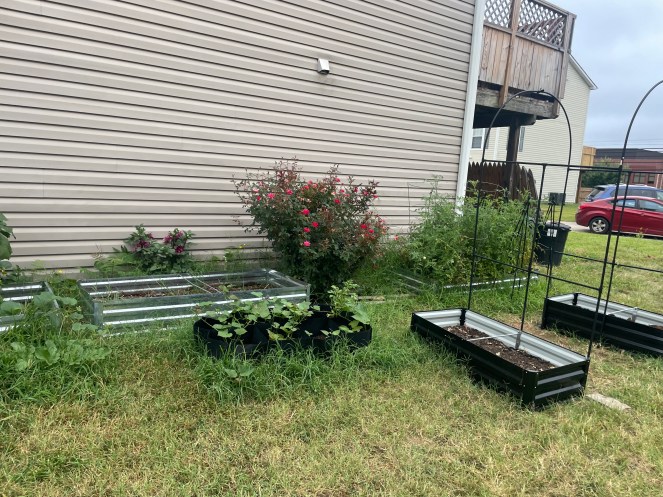
My raised beds


🌟 Final Thoughts

Every season brings new challenges and rewards. I can’t wait to see how these beds grow over the coming weeks. Gardening keeps me grounded, connected, and always learning.

👉 Have you started your fall garden yet? What are you planting this season?

Book Club

The Stories That Shaped Me: Books That Continue to Inspire My Writing

Affiliate Disclosure:
This post may contain affiliate links. If you click through and make a purchase, I may earn a small commission at no additional cost to you. Thank you for supporting my writing and this blog.


When reading a book, it is important to remember that one is not just looking at words. They are looking at a time capsule in print. The author creates an image of a specific place in time. The reader is able to travel either to the future or the past through the writer’s lens.

The same can be said of cooking and gardening. When you make a meal from a recipe, you reach back into memory. You shape something from the past. This creation can be experienced by others in the future. When you plant seeds you’ve saved, you carry forward stories of survival and lineage. Books, recipes, and gardens—all are living vessels of heritage.


Books That Shape My Cooking and Creativity

Jessica Seinfeld’s Deceptively Delicious: Simple Secrets to Get Your Kids Eating Good Food is a cookbook that deeply resonates with me. It offers inventive ways to nourish through hidden veggies. The approach is gentle, creative, and playful. What I love about it is how it invents ways to nourish through hidden veggies—gentle, creative, and playful. I’ve returned to its pages many times. It’s not just for guidance. It serves as a reminder that adaptation is at the heart of tradition.

I often take her recipes and transform them with African ingredients—adding, subtracting, or substituting to make them sing in ways that feel like home. Deceptively Delicious reminds me that creativity in the kitchen isn’t about following every rule. It’s about making something your own. At the same time, it’s about honoring what came before.


Books That Preserve Love and History

Another book that left a deep impression on me was My Dearest Friend: Letters of Abigail and John Adams. Their words to one another are tender, passionate, and grounded in both love and duty. Reading those letters felt like holding a time capsule in my hands. They offered a glimpse into their daily lives. I could see the strength of their bond during a turbulent period in history.

Just like recipes passed down in families, these letters carried their love into the future. Like seeds planted in soil, they carried their faith and story as well. They reminded me that writing is not just about recording events, but about preserving connection.


My Bookshelf Essentials

Here are two books I continue to carry with me:


Closing Reflections

Books shape us in ways big and small. They remind us where we’ve come from. They inspire who we are becoming. They carry stories forward for those who come after us.

👉 What books have shaped your life or inspired your creativity? Share your favorites in the comments—I’d love to build a community reading list together.


Gardening

Expanding My Garden & Looking for Advice 🌱

Hi everyone!

Gardening is more than a hobby for me—it’s my way of staying connected to nature and my roots. I grew up in Sierra Leone, West Africa, where my grandfather had an incredible garden. During school vacations, we’d help him grow about 90% of the food we ate. He lived into his mid-90s and even baked his own bread! Since moving to the States, I’ve noticed my body doesn’t process food the same way it used to. I’m trying to reset by growing clean, chemical-free food for my family and myself.


Making the Most of My Space
I don’t have a big yard. I’m maximizing the use of the space I have. Recently, I added two more raised beds. This helps me get closer to my goal of growing most of our food. My next big project is building a privacy fence—not just for looks, but also to protect the garden. Hiring a contractor isn’t in the budget, so I’m doing it myself. I’ve already bought 10 fence panels and have been slowly collecting the rest of the materials. YouTube tutorials have been my best friend during this process!


What’s Growing Now
This year, I started with:

  • Broccoli, kale, and spinach (spinach didn’t make it 😔)
  • Cherry tomatoes, Roma tomatoes, and jalapeño peppers
  • Okra, white potatoes, sweet potatoes
  • Cabbage, onions, and cantaloupe
  • Sweet corn alongside an apple tree
  • Goji berry tree & Elderberry tree
  • Bush beans & strawberries (the strawberries didn’t survive either)

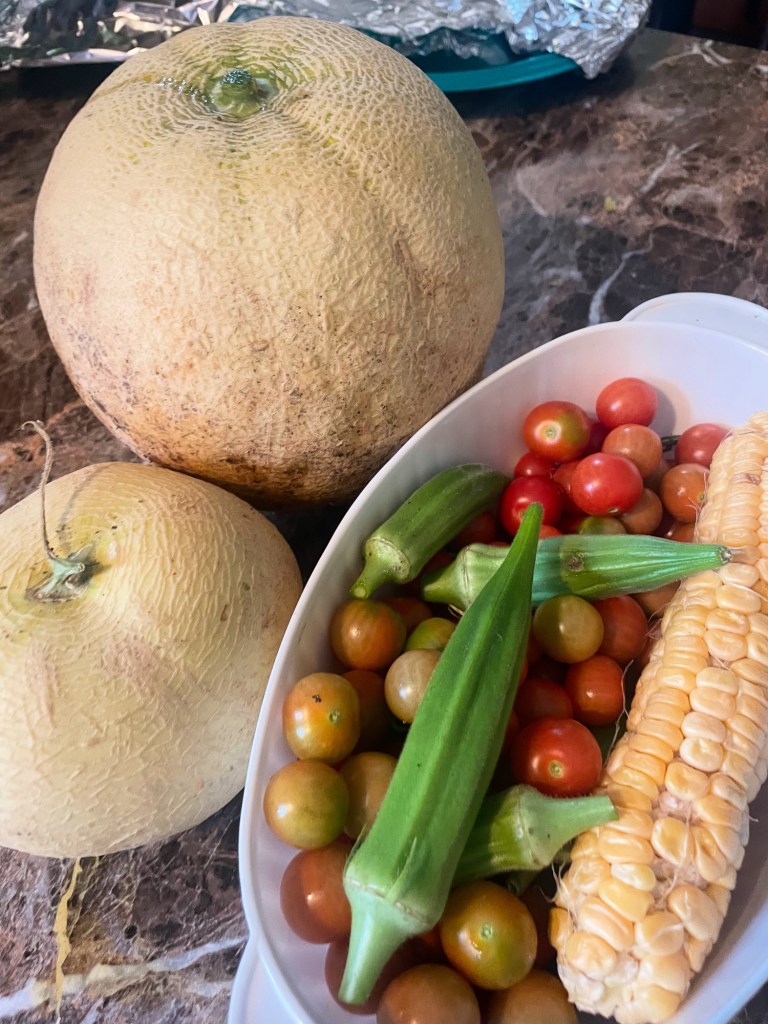
From this, I’ve harvested potatoes, cherry tomatoes, okra, sweet potato leaves, sweet corn, and cantaloupes.

On my deck, I keep herbs for easy access while cooking. I have sage, basil, and oregano. I also have a small trial run of lettuce and green beans.


Future Planting Goals
I’m hoping to add soybeans, bell peppers, garlic, beets, watermelons, and leeks. I also want to plant radish, squash, cucumbers, peanuts, and more corn. Furthermore, I plan to grow strawberries, plums, cherries, and more apple trees.


Challenges I’m Facing
The biggest headache? Stray cats. They keep using parts of my garden as a litter box, which completely ruined my spinach this year. This is one of the main reasons I’m pushing to get the fence installed. If anyone has safe, cat-deterring ideas, I’d love to hear them!


Looking for Your Advice
I’d really appreciate tips on:

  1. How to safely keep cats out of my garden.
  2. How to organize my space better to maximize yield.

I’ll post some pictures of my current layout soon. The new raised beds will not be included. This way you can see what I’m working with. Any ideas or suggestions are welcome—thank you in advance! 🌿

Recent harvest

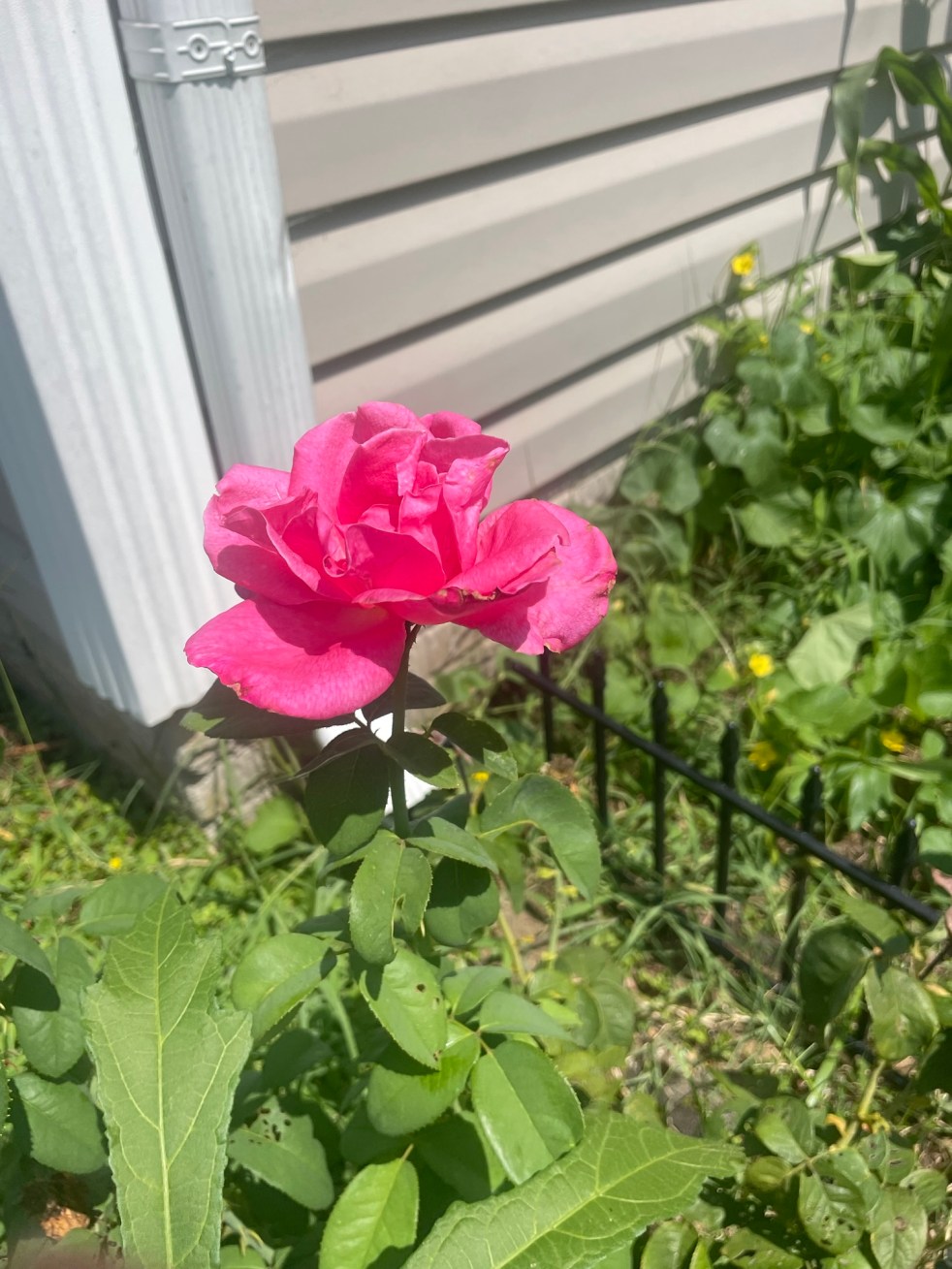
Hybrid Rose

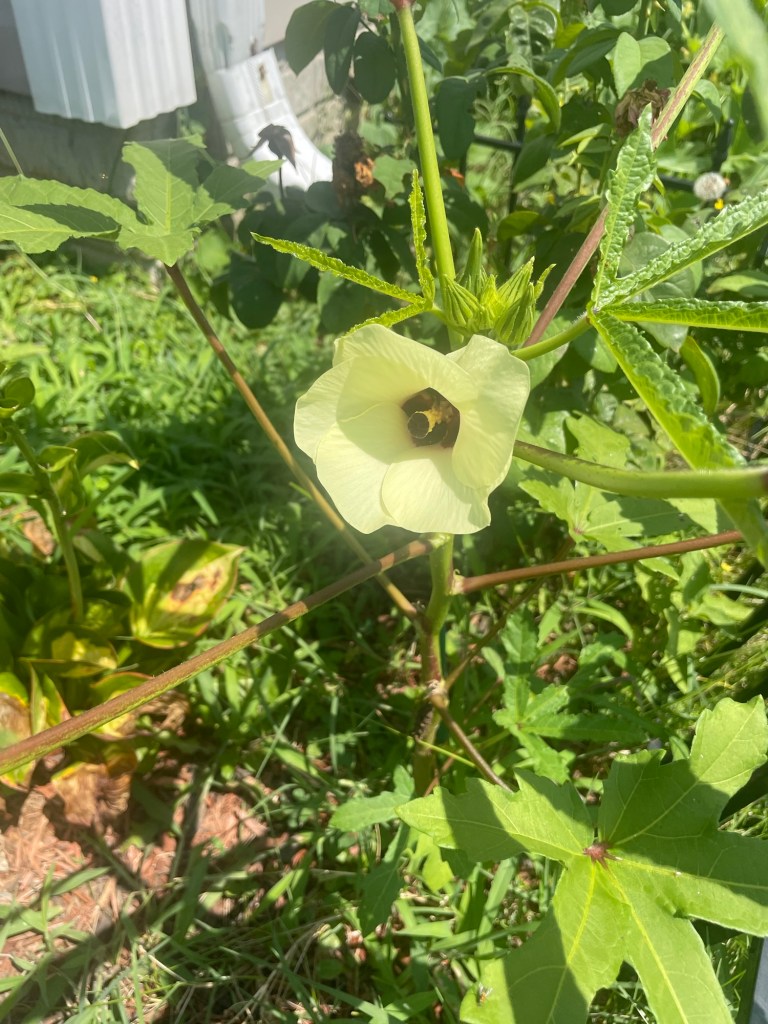
Okra plant…so pretty

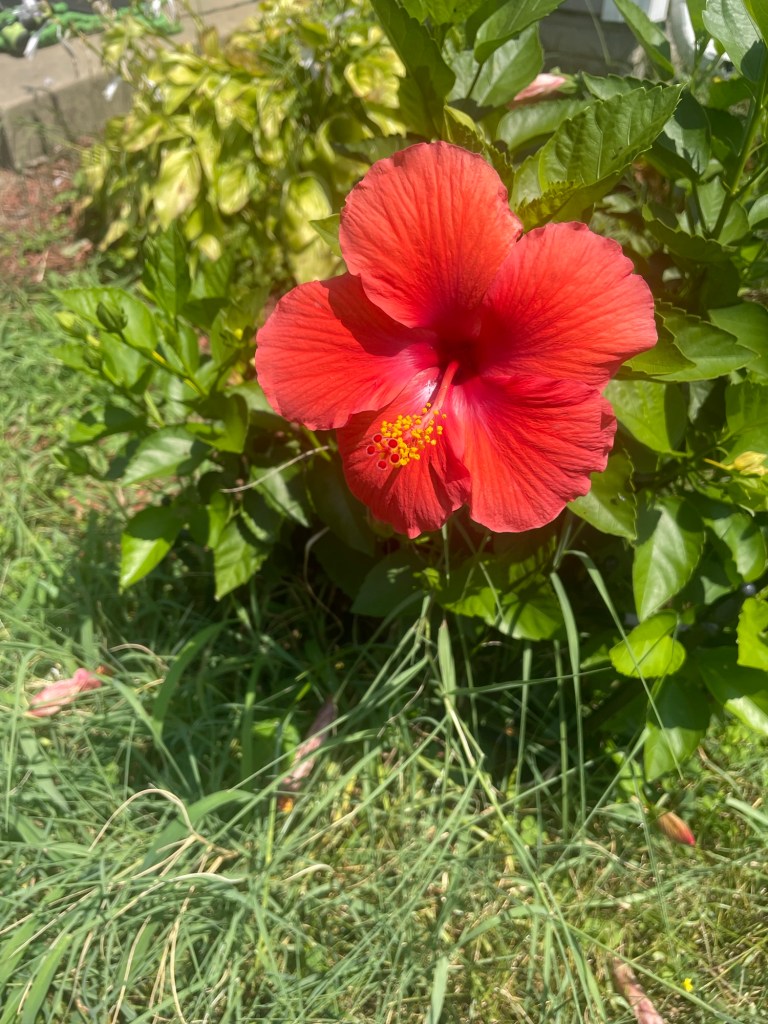
Hibiscus

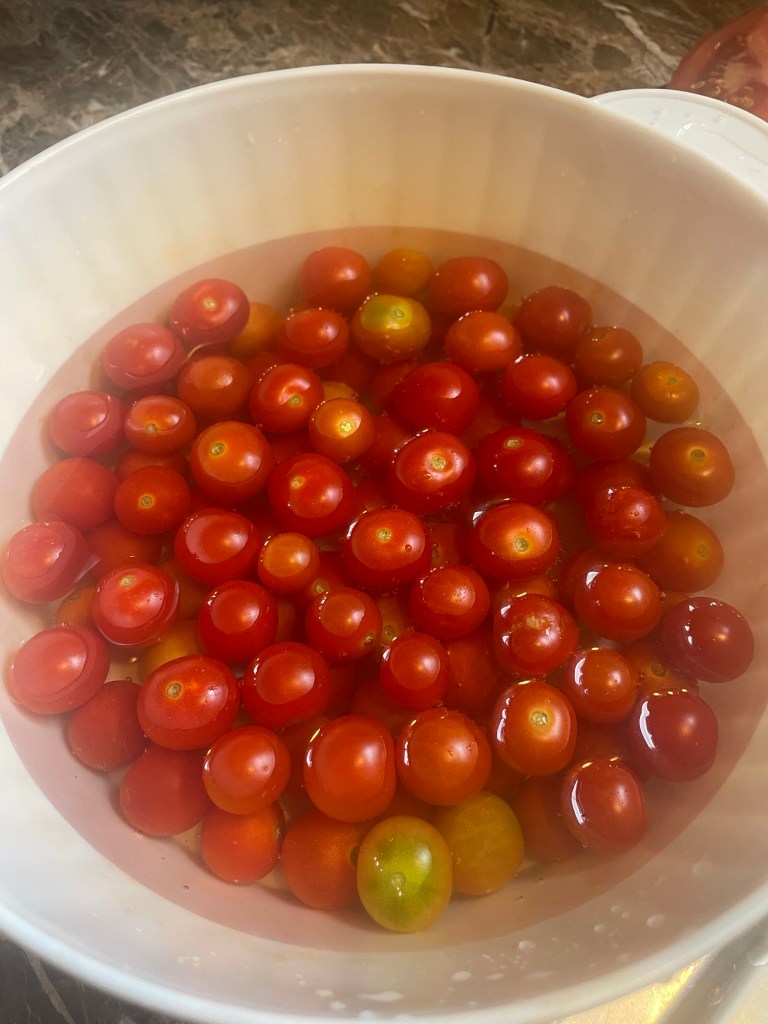
Cherry tomatoes

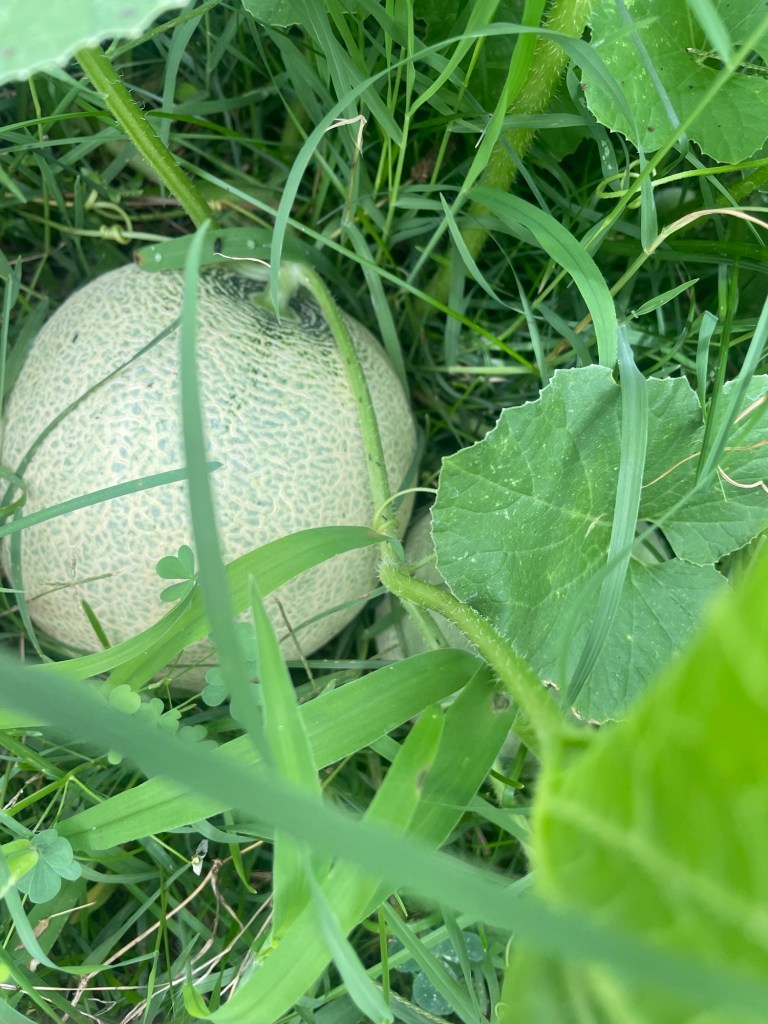
Cantaloupes

Recipes

A taste of home

Affiliate Disclosure:
This post may contain affiliate links. If you click through and make a purchase, I may earn a small commission at no additional cost to you. Thank you for supporting my writing and this blog.

Growing up in an African household, cooking was woven into our daily routine. My grandfather was a radical in a sense. He knew how to cook, bake, make his own moonshine and so much more. I spent a small part of my childhood with him and my grandmother. Those two shaped my life, my love of learning, gardening and cooking. Grandma didn’t write down her recipes. Neither did my mom. I am grateful that I have kept the recipes of many childhood treats. These meals are among my favorites.

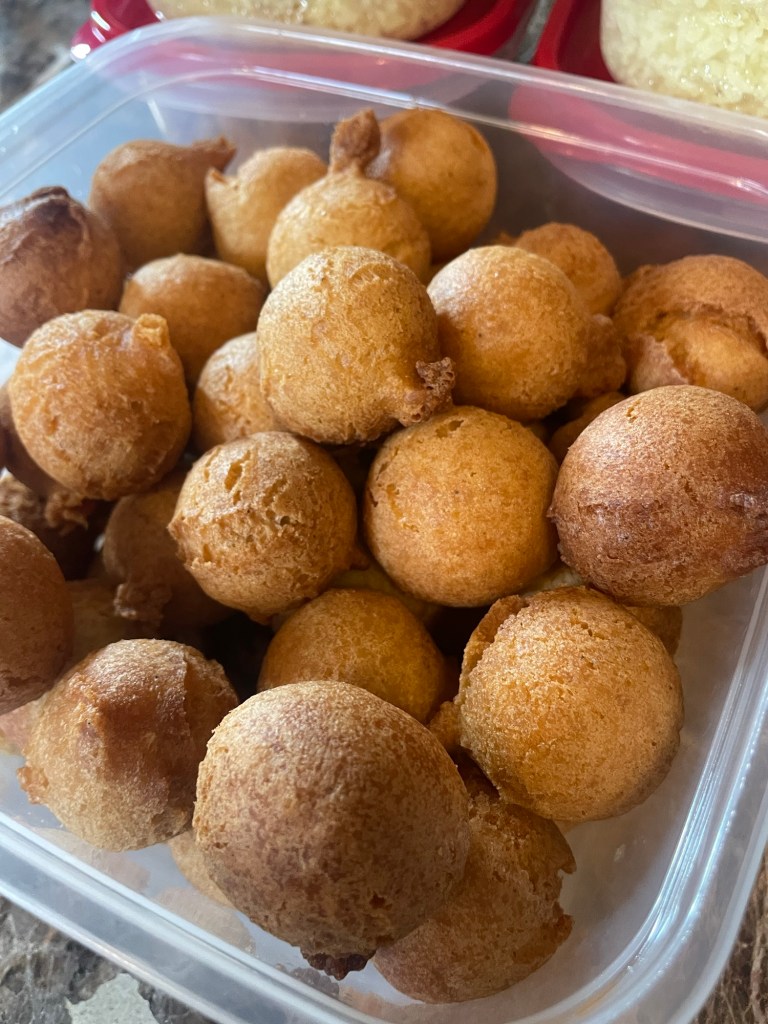
In the attached video you will see me frying puff-puff, and this is such a versatile dish. It can be an appetizer, breakfast, or dessert. My kids especially liked it when I made puff-puff for their multicultural events at school.

To make puff-puff the way I remember it, you don’t need much — just flour, yeast, sugar, and warm water. But what makes it even better is having the right tools. I use a sturdy mixing bowl to combine the ingredients. I use a heavy cast-iron Dutch oven to fry them to golden perfection. When the puff-puff is done, I rely on a slotted spoon to lift them safely out of the oil. I do this just the way my grandmother did with her old kitchen tools.


My Kitchen Essentials for Puff-Puff

Slotted Spoon – makes lifting puff-puff out of hot oil simple and safe.

Mixing Bowls – for stirring and letting the dough rise.

Cast-Iron Dutch Oven – keeps the oil hot and steady, perfect for frying puff-puff evenly.

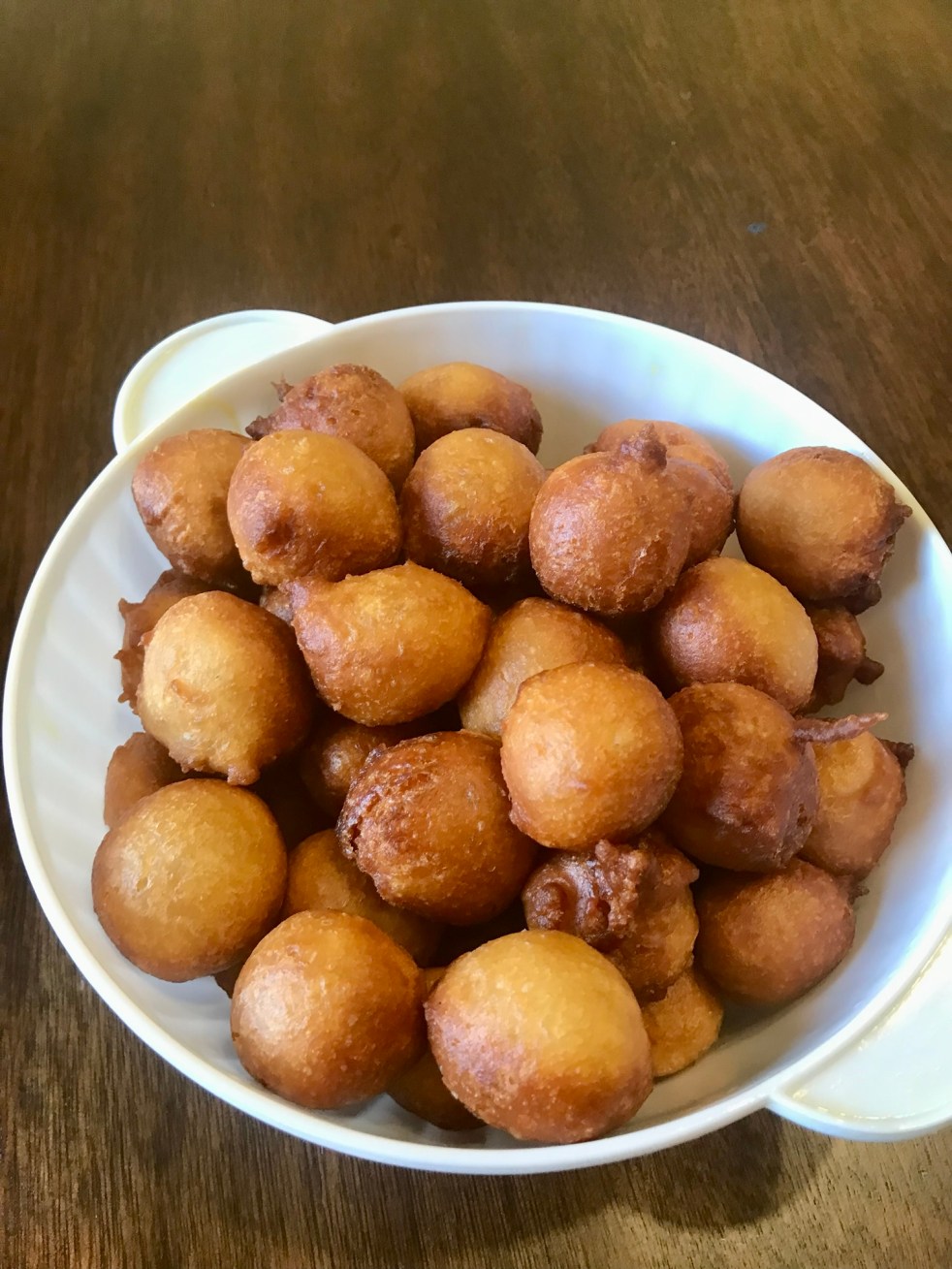
These are almost ready.

Puff-puff is a simply dish that I like to the menu on a regular basis.

African Puff-Puff Recipe

Ingredients:

2 cups plus 2 tbsp of warm water

2(1/4) tsp of active dry yeast

3(1/2) cups of all purpose flour

3/4 cup of raw cane sugar

1/2 tsp of salt

Olive oil or any vegetable oil

Optional items

  • 1/2 tsp of nutmeg
  • 1/2 tsp of powdered ginger
  • 1/2 tsp of cardamom

Instructions:

  1. Mix 2 tbsp of sugar, warm water, and active dry yeast in a large bowl. Set the mixture aside for 5 minutes, or until it becomes foamy.
  2. In another bowl sift the flour then add the remaining dry ingredients.
  3. Pour the dry ingredients into the yeast mixture and mix with either a hand held mixer or with a spatula.
  4. Cover up the batter and sit it in a warm place in your kitchen. You can use a proving draw of you want. Wait for about 1 to 2 hours and the batter should have doubled in size.
  5. In a large saucepan, pour your oil until it is about 1/3 to 1/2 of the way full. Warm it up on low heat.
  6. Test your oil by scooping a small amount of the batter and pour into saucepan. If the batter remains on the bottom of the pan, wait! Your oil is not hot enough. If your batter rises to the top of the pan within seconds then you are good to go.
  7. Most Africans scoop the batter with their hands and simply drop small dough balls into the hot oil. Don’t overcrowd the pan. It will affect cooking time. In some cases, it will make your puff-puff chewy.
  8. Fry the dough balls for a minute before turning them and cooking for a few minutes. Wait till they are golden brown.
  9. Placed the dough balls on a tray/plate covered with a paper towel to soak up excess oil.
  10. Set aside and cool off before serving with either powdered sugar, a savory sauce or just as is.
  11. This treat is prepared differently , depending on which part of Africa you are from.
  12. I am a product of Sierra Leone and this is how I remember it being made.

Thank you for stopping by 🙂